
Dr DJ Yaduvanshi
About Me
Dr DJ Yaduvanshi
MBBS
Diabetologist
10 Years Experience
Biography
My Clinic
OPD Hours
| Monday | Morning | 10:00 AM | - | 02:00 PM |
| Evening | 06:00 PM | - | 09:00 PM | |
| Tuesday | Morning | 10:00 AM | - | 02:00 PM |
| Evening | 06:00 PM | - | 09:00 PM | |
| Wednesday | Morning | 10:00 AM | - | 02:00 PM |
| Evening | 06:00 PM | - | 09:00 PM | |
| Thursday | Morning | 10:00 AM | - | 02:00 PM |
| Evening | 06:00 PM | - | 09:00 PM | |
| Friday | Morning | 10:00 AM | - | 02:00 PM |
| Evening | 06:00 PM | - | 09:00 PM | |
| Saturday | Morning | 10:00 AM | - | 02:00 PM |
| Evening | 06:00 PM | - | 09:00 PM | |
| Sunday | Morning | 10:00 AM | - | 02:00 PM |
| Evening | 06:00 PM | - | 09:00 PM |
Treatments
Specialised care and treatments offered
NUTRITIONAL COUNSELING FOR DIABETES

A personalized nutrition plan supports effective diabetes control by managing carbohydrate intake while ensuring balanced nutrients for overall health. Tailored guidance addresses individual needs and preferences for sustainable results.
HYPOGLYCEMIA PREVENTION STRATEGIES
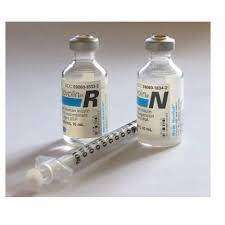
A drop in blood glucose below normal limits is termed hypoglycemia and can pose immediate health risks for people with diabetes. Prevention is key for safety and well-being.
DIABETIC RETINOPATHY SCREENING & MANAGEMENT
This eye complication arises from damage to retinal blood vessels due to chronic elevated glucose levels. Early diagnosis helps preserve vision effectively.
- Causative factors: Longstanding diabetes increases risk especially if blood sugar or blood pressure are poorly controlled.
- Screening techniques: Regular dilated eye exams using fundus photography allow early identification before symptoms develop significantly.
- Treatment modalities: Laser therapy reduces abnormal vessel growth; intravitreal injections may be used in advanced cases alongside optimal glycemic control.
- Lifestyle components: Maintaining stable blood sugar levels limits progression; quitting smoking benefits vascular health including eyes.
DIABETIC NEUROPATHY TREATMENT
Nerve damage caused by prolonged high blood sugar is known as diabetic neuropathy. It often affects peripheral nerves leading to pain or loss of sensation in the limbs.
- Main symptoms: Tingling, numbness, burning sensations, especially in the feet or hands; can progress if not managed timely.
- Diagnosis methods: Clinical examination combined with nerve conduction studies help establish the extent of nerve involvement.
- Treatment goals: Controlling blood glucose tightly slows progression; medications such as analgesics or antidepressants relieve neuropathic pain.
- Lifestyle advice: Regular foot inspections to prevent ulcers along with smoking cessation improve outcomes significantly.
The focus in diabetic neuropathy treatment is on symptom relief and preventing further nerve damage through vigilant management of overall health parameters.
GESTATIONAL DIABETES CARE
Gestational diabetes occurs during pregnancy and can affect both mother and child if left untreated. Early detection and management are vital for a healthy pregnancy outcome.
- Causes: Hormonal changes during pregnancy can impair insulin effectiveness leading to elevated blood sugar.
- Symptoms: Usually mild or absent but may include excessive thirst or fatigue; often detected through routine screening between 24-28 weeks gestation.
- Treatment approaches: Emphasis on balanced nutrition, controlled carbohydrate intake, regular physical activity, and sometimes insulin therapy if needed.
- Monitoring: Frequent blood glucose checks to maintain target levels throughout pregnancy.
- Outcome expectations: Proper care minimizes risks like preeclampsia or large birth weight infants; postpartum follow-up is important as risk of future diabetes remains elevated.
Caring for gestational diabetes requires coordinated efforts focusing on lifestyle adjustments and close medical supervision to ensure maternal and fetal health.
TYPE 2 DIABETES MANAGEMENT
Managing Type 2 diabetes involves balancing blood sugar levels through a combination of lifestyle changes and medical therapies. This chronic condition requires continuous monitoring to prevent complications.
- Symptoms and causes: Often includes increased thirst, frequent urination, fatigue, and blurred vision; primarily caused by insulin resistance and genetic factors.
- Diagnosis: Blood tests such as fasting plasma glucose, HbA1c, and oral glucose tolerance test confirm the condition.
- Treatment options: Lifestyle modifications like diet and exercise are critical; medications including metformin or insulin therapy may be prescribed as needed.
- Management strategies: Regular monitoring of blood glucose levels is essential for effective control.
- Expectations: With proper care, many individuals lead healthy lives though ongoing management is necessary to avoid complications.
Effective Type 2 diabetes management focuses on individualized care plans that promote healthy habits alongside pharmacological support when required.