
Dr Divas Khandelwal
About Me
Dr Divas Khandelwal
MBBS
General Physician
10 Years Experience
Biography
My Clinic
OPD Hours
| Monday | Morning | 10:00 AM | - | 02:00 PM |
| Evening | 06:00 PM | - | 09:00 PM | |
| Tuesday | Morning | 10:00 AM | - | 02:00 PM |
| Evening | 06:00 PM | - | 09:00 PM | |
| Wednesday | Morning | 10:00 AM | - | 02:00 PM |
| Evening | 06:00 PM | - | 09:00 PM | |
| Thursday | Morning | 10:00 AM | - | 02:00 PM |
| Evening | 06:00 PM | - | 09:00 PM | |
| Friday | Morning | 10:00 AM | - | 02:00 PM |
| Evening | 06:00 PM | - | 09:00 PM | |
| Saturday | Morning | 10:00 AM | - | 02:00 PM |
| Evening | 06:00 PM | - | 09:00 PM | |
| Sunday | Morning | 10:00 AM | - | 02:00 PM |
| Evening | 06:00 PM | - | 09:00 PM |
Treatments
Specialised care and treatments offered
ALLERGY TESTING
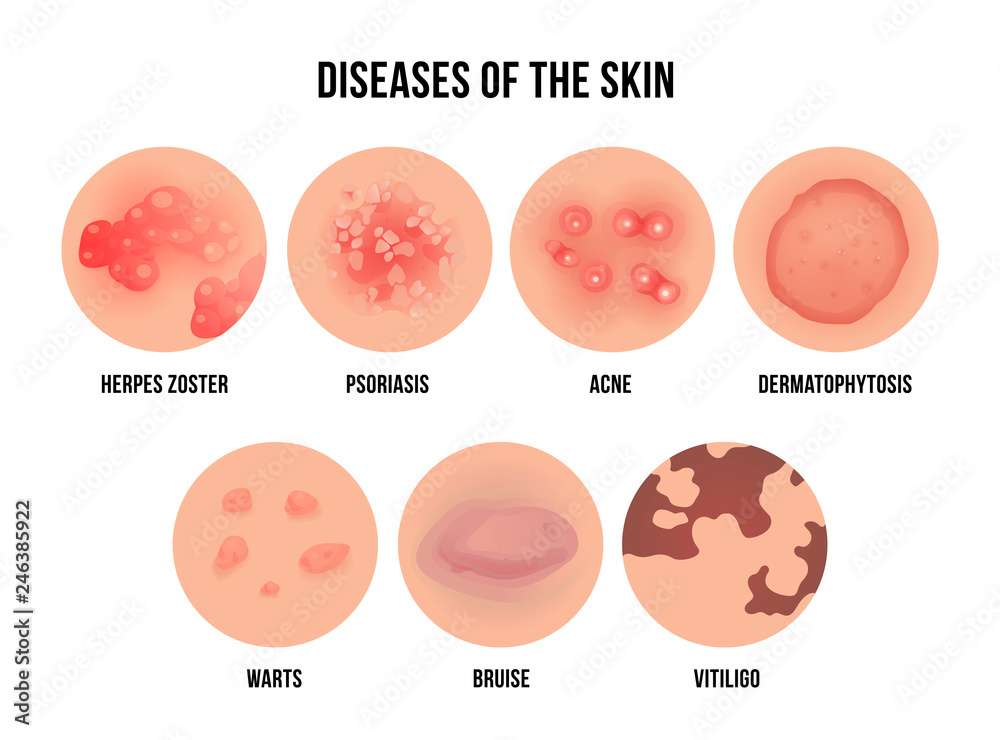
An increasing number of individuals experience allergic reactions that arise due to various environmental triggers. Allergy testing is pivotal in identifying specific allergens so that effective management strategies can be implemented successfully!
- Typical symptoms include sneezing , itching eyes , hives , difficulty breathing among others triggered by contact with allergens found in food , pollen , dust mites etc .
- Identification begins through clinical assessment followed by skin prick testing or specific IgE blood tests which determine sensitivity levels accurately .
- Upon diagnosis , avoidance strategies become paramount post identification alongside prescription medications such as antihistamines helping alleviate allergic symptoms significantly .
- In some cases , immunotherapy may also be recommended providing long-term relief against certain allergies .
Undertaking allergy testing provides patients clarity regarding their sensitivities paving paths towards healthier lifestyles free from unnecessary discomfort!
PREVENTIVE HEALTH SCREENINGS

Routine health screenings play an integral role in preventive healthcare. They help identify potential health issues before they develop into significant problems requiring extensive treatment later on!
- The most common screenings include cholesterol tests, cancer screenings (like mammograms), and diabetes checks based on age factors or family history considerations.
- A healthcare provider assesses personal risks based on various factors including age, gender, lifestyle choices among others when recommending specific screenings.
- Results from these tests help guide further assessments or interventions tailored for each individual’s needs accordingly
- Adopting a proactive approach towards health enhances chances for early detection greatly improving treatment outcomes when necessary
- Screenings foster discussions about healthy living which promote long-term wellness goals.
Prioritizing routine screenings ensures better awareness about personal health status leading towards more informed decision-making towards one’s well-being.
GASTROESOPHAGEAL REFLUX DISEASE (GERD) MANAGEMENT
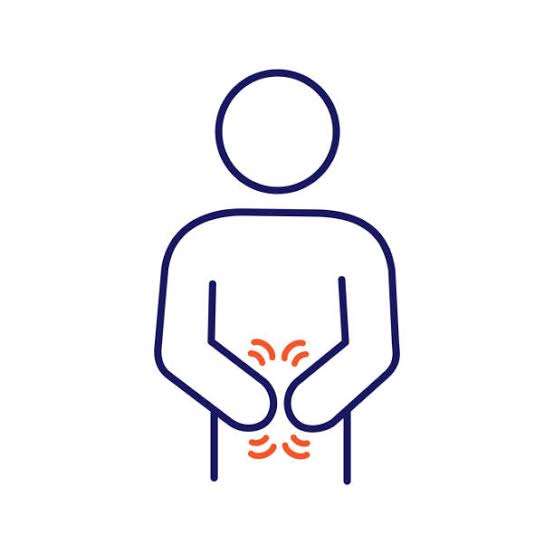
GERD is a chronic digestive condition where stomach acid frequently flows back into the esophagus. This reflux can cause discomfort but manageable through lifestyle adjustments and medical interventions.
- Main symptoms involve heartburn, regurgitation of acid into the throat or mouth, difficulty swallowing, and chronic cough.
- A diagnosis often necessitates undergoing an endoscopy or pH monitoring to assess acid levels in the esophagus accurately.
- Treatment encompasses dietary modifications by avoiding trigger foods along with medications such as antacids or proton pump inhibitors that reduce stomach acid production.
- Surgical options are considered in severe cases where medication fails to provide relief from persistent symptoms.
With proper management techniques in place, individuals suffering from GERD can lead healthier lives with minimal discomfort associated with this condition.
RESPIRATORY INFECTIONS CARE
Respiratory infections encompass a variety of conditions affecting the lungs and airways. These infections can range from mild colds to more severe conditions like pneumonia; thus understanding them is vital for prompt treatment.
- Common symptoms include coughing, wheezing, difficulty breathing, fever, and fatigue among others.
- A healthcare professional usually diagnoses respiratory infections through physical examinations along with chest X-rays or sputum tests if needed.
- Treatment typically focuses on symptomatic relief using over-the-counter medications while specific antibiotics may be prescribed for bacterial infections.
- Pneumonia vaccines are also available as preventive measures against certain types of respiratory infections.
- Caring for respiratory health includes avoiding irritants and practicing good hygiene during cold seasons.
If caught early, most respiratory infections can be managed effectively with appropriate care strategies in place.
DIABETES MONITORING

Living with diabetes requires consistent monitoring to manage blood sugar levels effectively. This chronic condition affects how your body processes glucose, making it essential to stay informed about your health status.
- Key symptoms of diabetes include increased thirst, frequent urination, extreme fatigue, and blurred vision.
- Diagnosis is made through fasting blood sugar tests or HbA1c tests that provide an overview of average blood sugar levels over time.
- Treatment usually involves a combination of dietary adjustments, regular physical activity, and possibly insulin or oral medications depending on the type of diabetes.
- Patients are encouraged to monitor their glucose levels regularly at home using a glucometer for day-to-day management.
- A structured plan helps in preventing complications such as nerve damage or cardiovascular issues related to poorly managed diabetes.
Sustained efforts toward proper monitoring can profoundly improve life quality for diabetic patients.
HYPERTENSION MANAGEMENT
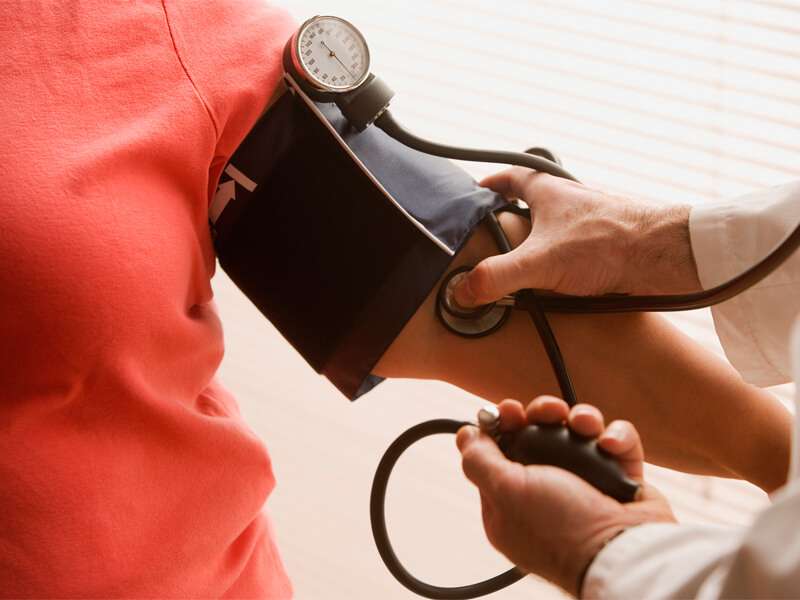
Hypertension, or high blood pressure, is a common condition that can lead to serious health issues if left untreated. It often develops over many years and can go unnoticed until it causes complications.
- Symptoms may include headaches, shortness of breath, or nosebleeds, though many individuals experience no obvious symptoms.
- Diagnosis typically involves measuring blood pressure multiple times with a sphygmomanometer and may include additional tests like blood tests and ECG.
- Treatment and management options often consist of lifestyle changes such as diet and exercise, alongside medication when necessary to help lower blood pressure effectively.
- Regular follow-ups are crucial to monitor your condition and adjust treatment plans as needed.
- Patients should be aware that managing hypertension significantly reduces the risk of heart disease and stroke.
Early identification and consistent management of hypertension can enhance quality of life and overall health outcomes.