
Dr Disha Jaggi Me
About Me
Dr Disha Jaggi Me
MBBS
Dermatologist
10 Years Experience
Biography
My Clinic
OPD Hours
| Monday | Morning | 10:00 AM | - | 02:00 PM |
| Evening | 06:00 PM | - | 09:00 PM | |
| Tuesday | Morning | 10:00 AM | - | 02:00 PM |
| Evening | 06:00 PM | - | 09:00 PM | |
| Wednesday | Morning | 10:00 AM | - | 02:00 PM |
| Evening | 06:00 PM | - | 09:00 PM | |
| Thursday | Morning | 10:00 AM | - | 02:00 PM |
| Evening | 06:00 PM | - | 09:00 PM | |
| Friday | Morning | 10:00 AM | - | 02:00 PM |
| Evening | 06:00 PM | - | 09:00 PM | |
| Saturday | Morning | 10:00 AM | - | 02:00 PM |
| Evening | 06:00 PM | - | 09:00 PM | |
| Sunday | Morning | 10:00 AM | - | 02:00 PM |
| Evening | 06:00 PM | - | 09:00 PM |
Treatments
Specialised care and treatments offered
HAIR LOSS EVALUATION AND TREATMENT
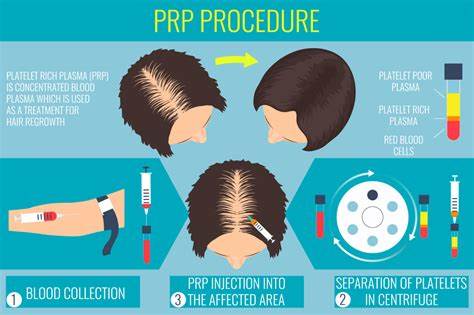
Losing hair can be distressing but understanding underlying causes enables personalized management plans that improve hair density over time. This condition affects people differently across age groups.
- Common reasons/symptoms: Mild thinning progressing into bald patches commonly due to androgenetic alopecia (genetics), telogen effluvium (stress related), alopecia areata (autoimmune).
- Diagnostic methods: Physical scalp exam supplemented occasionally by trichoscopy or scalp biopsy when diagnosis unclear;
- Treatment modalities: Topical minoxidil widely used first line; oral finasteride prescribed selectively for men only; corticosteroid injections beneficial in some inflammatory types;
- What patients should expect: The regrowth process typically requires several months commitment before improvements become visible.;
A tailored combination therapy provides best outcome prospects when undertaken under expert supervision focusing also on patient education regarding realistic timelines.
VITILIGO ASSESSMENT AND THERAPY
This disorder causes loss of pigmentation in patches due to destruction of melanocytes. While not physically harmful it may impact psychological wellbeing requiring holistic care approaches.
- Syndrome features/suspected causes:Pale white depigmented patches commonly around eyes, mouth, fingers possibly linked to autoimmune tendencies; Diagnosis relies mainlyon clinical exam supported optionally by Wood’s lamp examination to detect subtle areas;
ATOPIC DERMATITIS (ECZEMA) MANAGEMENT

This chronic inflammatory condition results in itchy, red patches primarily affecting children but also adults. Managing triggers can help control flare-ups effectively.
- Causative factors/symptoms: Dryness, intense itching, redness usually on flexural surfaces such as inner elbows and behind knees; associated with allergies or asthma history.
- Diagnosis techniques: Clinical history combined with physical examination; patch testing if allergic contact dermatitis suspected as contributor.
- Treatment approach: Regular use of moisturizers/emollients; topical corticosteroids during flares; calcineurin inhibitors as steroid-sparing agents;
- Avoidance advice: Identifying irritants like harsh soaps or allergens important in long-term control strategies.
A comprehensive plan addressing both symptoms relief and prevention strategies improves comfort and reduces severity episodes over time.
SKIN CANCER SCREENING
Identifying early signs of skin cancer through screening is vital for successful treatment outcomes. This process evaluates suspicious moles or lesions before they progress.
- Main indicators: Asymmetry, border irregularity, color variation, diameter growth over 6mm or evolving changes in existing moles (ABCDE rule).
- Screening methods: Visual full-body examination using dermoscopy for detailed assessment; patient history review including sun exposure patterns.
- If suspicious lesions found: Biopsy performed to determine benign versus malignant nature.
- Treatment options following diagnosis: Surgical excision remains primary; alternatives may include topical chemotherapy or radiation depending on stage/type.
Regular screening especially for high-risk individuals ensures early detection which dramatically improves prognosis for all types of skin cancers.
PSORIASIS CARE AND MONITORING
Psoriasis is an autoimmune disorder characterized by the rapid buildup of skin cells causing scaling and inflammation. It tends to be chronic with periods of remission and flare-ups.
- Symptoms/causes: Thickened red patches covered with silvery scales; itching or soreness; often triggered by stress, infections or injury to the skin.
- Diagnostic approach: Based on clinical examination; sometimes biopsy to confirm uncertain cases.
- Treatment strategies: Emollients for moisturizing; topical corticosteroids; phototherapy; systemic drugs including biologics in moderate to severe disease.
- Lifestyle considerations: Avoiding known triggers and maintaining skin hydration aids in management.
A well-managed psoriasis plan can significantly reduce symptoms and improve quality of life through targeted therapies and regular follow-up.
ACNE VULGARIS MANAGEMENT
Acne vulgaris is a common skin condition that primarily affects teenagers and young adults but can persist or even start in adulthood. It occurs due to inflammation of the pilosebaceous units, leading to various types of lesions on the skin.
- Symptoms/causes: Presence of whiteheads, blackheads, pustules, and sometimes cysts mainly on the face, chest, and back; triggered by hormonal changes, excess oil production, bacteria, and blocked hair follicles.
- Diagnosis: Typically clinical evaluation based on lesion type and distribution; additional tests rarely needed.
- Treatment options: Include topical retinoids, benzoyl peroxide, antibiotics, hormonal therapy for females, and oral isotretinoin for severe cases.
- Management expectations: Improvements are gradual over weeks to months; adherence to treatment is critical for best outcomes.
Early intervention combined with customized skin care routines helps minimize scarring and improves overall skin health during acne treatment.