
DR Dilip Agarwal
About Me
DR Dilip Agarwal
MS
Orthopaedic Surgeons
10 Years Experience
Biography
My Clinic
OPD Hours
| Monday | Morning | 10:00 AM | - | 02:00 PM |
| Evening | 06:00 PM | - | 09:00 PM | |
| Tuesday | Morning | 10:00 AM | - | 02:00 PM |
| Evening | 06:00 PM | - | 09:00 PM | |
| Wednesday | Morning | 10:00 AM | - | 02:00 PM |
| Evening | 06:00 PM | - | 09:00 PM | |
| Thursday | Morning | 10:00 AM | - | 02:00 PM |
| Evening | 06:00 PM | - | 09:00 PM | |
| Friday | Morning | 10:00 AM | - | 02:00 PM |
| Evening | 06:00 PM | - | 09:00 PM | |
| Saturday | Morning | 10:00 AM | - | 02:00 PM |
| Evening | 06:00 PM | - | 09:00 PM | |
| Sunday | Morning | 10:00 AM | - | 02:00 PM |
| Evening | 06:00 PM | - | 09:00 PM |
Treatments
Specialised care and treatments offered
PLANTAR FASCIITIS
This common foot ailment involves inflammation of the plantar fascia—a thick band of tissue connecting heel bone to toes. Plantar fasciitis is especially prevalent among runners and those who spend extended periods standing on hard surfaces.
- Symptoms : Key indicators are sharp heel pain upon waking or after prolonged sitting periods alongside tenderness upon palpation.
- Diagnosis : Healthcare providers diagnose this condition primarily through a clinical evaluation emphasizing symptom history.
- Treatment options : Initial conservative management typically includes rest along with stretching exercises; non-steroidal anti-inflammatory medications might help reduce inflammation too. Custom orthotics could provide additional support.;
- What to expect : Most individuals experience gradual improvement within months adhering strictly to recommended therapies.
Understanding plantar fasciitis facilitates timely action allowing patients flexibility returning daily routines without discomfort.
ACL TEAR

The anterior cruciate ligament (ACL) is one of the vital ligaments stabilizing the knee joint. An ACL tear often happens during sports activities involving sudden stops or changes in direction.
- Symptoms: Notable symptoms include a popping sensation at the moment of injury followed by immediate swelling and instability when attempting movement.
- Diagnosis: A thorough clinical evaluation complemented by MRI scans assists healthcare providers in confirming an ACL tear’s presence.
- Treatment options: Initial management focuses on RICE (rest, ice, compression elevation), while persistent tears often necessitate reconstructive surgery followed by rehabilitation.
- What to expect: Recovery timelines vary; adherence to rehabilitation protocols ensures optimal return to activity levels safely.
Prompt recognition and treatment are essential for achieving favorable outcomes after an ACL injury.
HERNIATED DISC

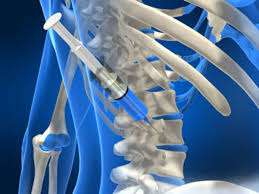
A herniated disc occurs when a rubbery cushion between the vertebrae slips out of place or ruptures. This condition can result from age-related degeneration or acute incidents such as lifting heavy objects improperly.
- Symptoms: Commonly reported symptoms include localized back pain radiating down limbs, numbness, and muscle weakness depending on which nerves are affected.
- Diagnosis: Clinicians diagnose this condition using physical examinations corroborated by imaging technologies like CT scans or MRIs that provide detailed visuals of spinal structures.
- Treatment options: Initial treatment may focus on rest, physical therapy sessions aimed at strengthening core muscles, combined with analgesics; advanced cases could require surgical intervention like discectomy.
CARPAL TUNNEL SYNDROME

This condition arises from pressure on the median nerve as it travels through the wrist's carpal tunnel. Carpal tunnel syndrome is prevalent not only among office workers but also in individuals engaging in frequent wrist movements.
- Symptoms: Patients may report numbness, tingling sensations in fingers, particularly at night, along with weakness when gripping objects.
- Diagnosis: A thorough medical history review combined with physical exams and nerve conduction studies aids diagnosis.
- Treatment options: Non-surgical approaches typically involve wrist splinting during sleep and corticosteroid injections; however, surgical intervention may be required for severe cases.
- What to expect: Most individuals experience relief post-treatment but should follow up with their healthcare provider to monitor progress.
Catching carpal tunnel syndrome early can lead to effective management strategies tailored for individual needs.
ROTATOR CUFF INJURY

A rotator cuff injury involves damage to the group of muscles and tendons that stabilize the shoulder. This type of injury is prevalent among athletes and those engaged in repetitive overhead activities.
- Symptoms: Common signs include a dull ache in the shoulder, difficulty lifting the arm, and sleeping disturbances due to pain.
- Diagnosis: Diagnosis often includes a physical examination coupled with diagnostic imaging like an ultrasound or MRI for proper assessment.
- Treatment options: Initial treatments usually consist of rest, ice application, anti-inflammatory medications, and potentially physical therapy. Surgery might be necessary if conservative methods fail.
- What to expect: With appropriate treatment, many patients see significant improvements in function and reduction in pain over time.
Addressing rotator cuff injuries promptly helps prevent further complications and facilitates recovery.
OSTEOARTHRITIS

Osteoarthritis is a degenerative joint disease that commonly affects older adults, although it can manifest in younger individuals due to injury or obesity. This condition occurs when the protective cartilage that cushions the ends of the bones wears down over time, leading to pain and stiffness.
- Symptoms: Patients often experience joint pain, swelling, and decreased range of motion.
- Diagnosis: Healthcare professionals usually assess symptoms through physical examinations and may use X-rays or MRI scans for confirmation.
- Treatment options: Management may include lifestyle modifications, physical therapy, medications for pain relief, and in severe cases, surgical options like joint replacement.
- What to expect: Early intervention typically leads to better outcomes, helping maintain mobility and reduce discomfort.
Understanding osteoarthritis is crucial for managing its symptoms effectively while improving quality of life.