
Dr Dherendra Pratap Singh
About Me
Dr Dherendra Pratap Singh
MD
Dermatologist
10 Years Experience
Biography
My Clinic
OPD Hours
| Monday | Morning | 10:00 AM | - | 02:00 PM |
| Evening | 06:00 PM | - | 09:00 PM | |
| Tuesday | Morning | 10:00 AM | - | 02:00 PM |
| Evening | 06:00 PM | - | 09:00 PM | |
| Wednesday | Morning | 10:00 AM | - | 02:00 PM |
| Evening | 06:00 PM | - | 09:00 PM | |
| Thursday | Morning | 10:00 AM | - | 02:00 PM |
| Evening | 06:00 PM | - | 09:00 PM | |
| Friday | Morning | 10:00 AM | - | 02:00 PM |
| Evening | 06:00 PM | - | 09:00 PM | |
| Saturday | Morning | 10:00 AM | - | 02:00 PM |
| Evening | 06:00 PM | - | 09:00 PM | |
| Sunday | Morning | 10:00 AM | - | 02:00 PM |
| Evening | 06:00 PM | - | 09:00 PM |
Treatments
Specialised care and treatments offered
ROSACEA
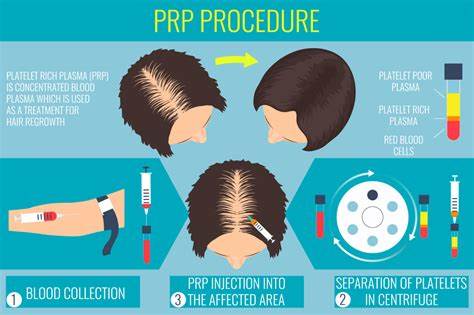
Rosacea is a common inflammatory condition that primarily affects facial appearance. It manifests as persistent facial redness alongside visible blood vessels and may develop into acne-like breakouts over time if left untreated.
- Main symptoms encompass facial flushing; persistent redness accompanied by small pustules akin to acne lesions may develop gradually over time without adequate intervention.
- Diagnosis usually comes from an evaluation of symptoms along with ingrained patterns observed in flushing events reported by patients themselves.
- Treatment commonly entails topical medications such as azelaic acid or antimicrobial agents like metronidazole alongside oral antibiotics when necessary especially when more extensive involvement occurs.
- Lifestyle changes including sun protection measures prove pivotal alongside consistent dermatological follow-up appointments aimed at adjusting therapeutic modalities accordingly
With effective management practices implemented regularly individuals can maintain clearer skin while minimizing potential discomfort associated with rosacea symptoms
CONTACT DERMATITIS
Contact dermatitis occurs when the skin reacts negatively to substances it touches. This reaction can arise from irritants or allergens leading to red rashes or blisters on exposed areas of the body.
- The primary symptoms include redness, swelling, itching sensations or pain following exposure to an irritating substance or allergen.
- A healthcare provider determines contact dermatitis through patient history along with physical evaluation; patch testing may help identify specific allergens involved in reactions.
- Treatment focuses on avoiding identified triggers while using topical steroids for symptomatic relief as needed. Antihistamines might also help alleviate discomfort caused by itching during flare-ups.
An avoidance strategy combined with appropriate treatments helps mitigate episodes effectively over time.
SKIN CANCER SCREENING
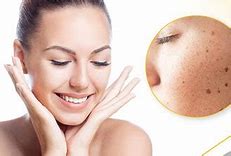
Regular skin cancer screenings are crucial for early detection of melanoma and non-melanoma types. These screenings play a vital role in reducing mortality associated with skin cancers.
- An effective screening identifies new or changing moles or spots that could indicate skin cancer.
- This process typically involves a thorough visual examination where suspicious lesions may be biopsied for further evaluation if necessary.
- If detected early, treatment options range from careful monitoring for milder cases to surgical excision for more advanced stages of cancer.
- Counseling on sun protection strategies is essential in prevention efforts going forward.
Regular check-ups foster proactive health management against potential risks associated with skin cancer development.
ECZEMA (ATOPIC DERMATITIS)
Eczema is an inflammatory skin condition characterized by dry and itchy skin. It often begins in childhood but can occur at any age.
- The main symptoms involve intense itching, redness, swelling, and sometimes oozing blisters during flare-ups.
- A healthcare provider diagnoses eczema based on symptoms and family history; allergy tests may help identify triggers.
- Treatment typically includes emollients to hydrate the skin, topical steroids to reduce inflammation, and antihistamines for itching relief.
- A systematic approach addressing triggers can minimize flare-ups significantly.
An individualized management plan fosters better control of eczema symptoms over time.
ACNE VULGARIS
Acne vulgaris is one of the most common skin conditions, affecting teenagers and adults alike. It results from clogged hair follicles due to excess oil production, bacteria, and dead skin cells.
- Common symptoms include pimples, blackheads, whiteheads, and cysts on the face, back, or shoulders.
- A dermatologist diagnoses acne through clinical examination; in some cases, hormone testing may also be needed.
- Treatment often includes topical retinoids, antibiotics for inflammation, and oral medications in severe cases.
- A consistent skincare routine can help manage flare-ups effectively over time.
With appropriate treatment plans tailored to individual needs, acne can be controlled effectively.
PSORIASIS
Psoriasis is a chronic autoimmune condition that leads to the rapid growth of skin cells, resulting in scaling on the skin's surface. This can cause inflammation and red patches covered with silvery scales, which can be itchy and painful.
- Symptoms may include red patches of skin, dryness, and soreness; affected areas often bleed.
- The diagnosis is usually based on a physical examination of the skin and medical history; sometimes, a biopsy is performed to confirm.
- Treatment options include topical treatments like corticosteroids, phototherapy, and systemic medications such as biologics.
- Managing psoriasis involves regular follow-ups to monitor symptoms and adjust treatment as necessary.
Appropriate management can significantly improve quality of life for those suffering from this condition.