
Dr Dhawal Patel
About Me
Dr Dhawal Patel
MS
Orthopaedic Surgeons
20 Years Experience
Biography
My Clinic
OPD Hours
| Monday | Morning | 09:00 AM | ||
| Evening | 09:00 PM | |||
| Tuesday | Morning | 09:00 AM | ||
| Evening | 09:00 PM | |||
| Wednesday | Morning | 09:00 AM | ||
| Evening | 09:00 PM | |||
| Thursday | Morning | 09:00 AM | ||
| Evening | 09:00 PM |
Treatments
Specialised care and treatments offered
HIP LABRAL TEAR REPAIR
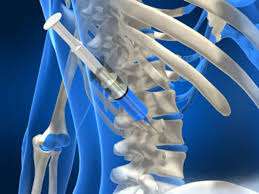
A hip labral tear involves damage to the cartilage surrounding your hip joint causing instability or discomfort during movement. The focus of treatment is primarily on managing symptoms and restoring hip function efficiently.
- Symptoms may comprise deep aching in the groin area alongside clicking sensations upon movement.
- Diagnosis relies on a mix of clinical examinations coupled with MRI scans revealing labral tears.
- Common management approaches consist mainly of physical therapy exercises targeting hip stabilization along with anti-inflammatory medications; orthopedic surgical intervention received careful consideration only following consistent failure thereof .
- Post-surgical recovery time varies but typically ranges between three months allowing progressive return towards daily routines thereafter .
Balancing activity modification alongside exercise regimens fosters overall health while mitigating risks surrounding further injuries impacting this sensitive region .
TENNIS ELBOW TREATMENT
This painful condition results from overuse of forearm muscles resulting in elbow tendon inflammation. The primary aim of treatment is to reduce discomfort while restoring full range of motion in the arm.
- Main symptoms include tenderness on the outer elbow and pain when gripping objects or lifting items.
- A clinical evaluation alongside diagnostic imaging can confirm tennis elbow effectively;.
PLANTAR FASCIITIS TREATMENT

This common foot condition results from inflammation of the plantar fascia, which connects your heel bone to your toes. Effective treatment aims at reducing pain and improving mobility for better functionality.
- The condition often presents with sharp heel pain during first steps in the morning or after prolonged sitting periods.
- A healthcare provider would typically diagnose it through physical exams and assessing foot mechanics.
- Management strategies may include stretching exercises, orthotics for arch support, anti-inflammatory medications, or injection therapy if conservative measures are insufficient.
- Most patients can expect gradual improvement over time with consistent treatment efforts tailored to their needs.
This approach promotes long-term relief while allowing patients to return to their usual activities comfortably.
CARPAL TUNNEL RELEASE

This surgical procedure relieves pressure on the median nerve within the wrist. It's often recommended for those suffering from carpal tunnel syndrome due to repetitive hand movements or conditions like diabetes.
- The primary symptoms include tingling, numbness in fingers, and wrist pain that may radiate up the arm.
- A detailed assessment including patient history and nerve conduction studies aids in diagnosing the condition effectively.
- Surgery is performed through small incisions to divide the ligament pressing on the nerve, providing immediate relief for many patients.
- The recovery process generally allows return to daily activities within weeks with proper post-operative care.
This intervention has a high success rate in alleviating symptoms associated with carpal tunnel syndrome.
SHOULDER IMPINGEMENT SYNDROME TREATMENT

This condition occurs when shoulder tendons become irritated and inflamed due to repetitive overhead activities. The goal of treatment is to alleviate pain and restore mobility.
- Common symptoms include shoulder pain when lifting arms, weakness in the arm, and a feeling of catching or locking during movement.
- A thorough examination along with imaging studies helps confirm the diagnosis.
- Treatment may involve physical therapy focusing on strengthening muscles around the shoulder, corticosteroid injections, or arthroscopic surgery if conservative methods fail.
- Patients should anticipate gradual improvement with adherence to rehabilitation protocols.
Effective management can lead to significant symptom relief and improved function over time.
ARTHROSCOPIC KNEE SURGERY

This minimally invasive procedure is designed to treat various knee issues through small incisions. It is commonly used for conditions such as torn cartilage, ligament repairs, or removal of loose bodies in the joint.
- Symptoms may include knee pain, swelling, difficulty bending or straightening the knee, and locking sensations.
- Diagnosis typically involves a physical examination and imaging techniques like an MRI.
- Treatment options can include arthroscopy for repair or removal of damaged tissues, followed by rehabilitation.
- Patients can expect less pain and quicker recovery times compared to traditional surgery.
Overall, this technique effectively addresses many knee problems while promoting faster healing.