
Dr Devnendra Agar
About Me
Dr Devnendra Agar
MBBS
General Physician
10 Years Experience
Biography
My Clinic
OPD Hours
| Monday | Morning | 10:00 AM | - | 02:00 PM |
| Evening | 06:00 PM | - | 09:00 PM | |
| Tuesday | Morning | 10:00 AM | - | 02:00 PM |
| Evening | 06:00 PM | - | 09:00 PM | |
| Wednesday | Morning | 10:00 AM | - | 02:00 PM |
| Evening | 06:00 PM | - | 09:00 PM | |
| Thursday | Morning | 10:00 AM | - | 02:00 PM |
| Evening | 06:00 PM | - | 09:00 PM | |
| Friday | Morning | 10:00 AM | - | 02:00 PM |
| Evening | 06:00 PM | - | 09:00 PM | |
| Saturday | Morning | 10:00 AM | - | 02:00 PM |
| Evening | 06:00 PM | - | 09:00 PM | |
| Sunday | Morning | 10:00 AM | - | 02:00 PM |
| Evening | 06:00 PM | - | 09:00 PM |
Treatments
Specialised care and treatments offered
ANEMIA
Anemia is characterized by insufficient healthy red blood cells to carry adequate oxygen to the body's tissues. It’s a prevalent issue among various age groups leading to fatigue and weakness if not addressed properly.
- The common causes include iron deficiency due to dietary insufficiency or absorption problems as well as chronic diseases impacting red cell production capacity over time.
.highlighted with essential parameters being monitored closely before initiating any care plan focused primarily around nutritional interventions promoting better iron intake via fortified foods along with potential supplementation recommendations where necessary followed up regularly alongside further testing ensuring improved outcomes long-term....,Over time most cases improve considerably respecting adjustments made towards lifestyle choices enhancing well-being significantly!.
URINARY TRACT INFECTION (UTI)

A urinary tract infection occurs when harmful bacteria enter the urinary system. UTIs are more common in women than men but can affect anyone regardless of age. Understanding its signs ensures prompt treatment for relief from discomfort.
- Main symptoms include a burning sensation while urinating, frequent urination urges without much output, cloudy urine, and lower abdominal pain.
- The diagnosis often relies on urine tests that identify bacteria or other infectious agents present in urine samples collected during office visits.
- Treatment typically involves antibiotics prescribed for several days based on infection severity; drinking plenty of water helps flush out bacteria too.
If left untreated, UTIs can escalate into more serious kidney issues; thus seeking medical advice early on is paramount for effective healing process management.
DIABETES MELLITUS

Diabetes mellitus refers to a group of diseases that affect how your body uses blood sugar (glucose). It’s important for patients to understand the nature of this chronic condition and its management options available today.
- Main types include Type 1 diabetes (usually diagnosed in childhood) and Type 2 diabetes (often seen in adults).
- Disease diagnosis involves blood tests that check glucose levels after fasting or post meals.
- Management strategies may consist of dietary modifications, exercise plans, oral medications or insulin therapy based on individual needs.
- Pacing activities throughout the day can help maintain optimal glucose levels.
Regular monitoring of blood sugar levels aids in preventing complications associated with diabetes effectively over time.
HYPERTENSION
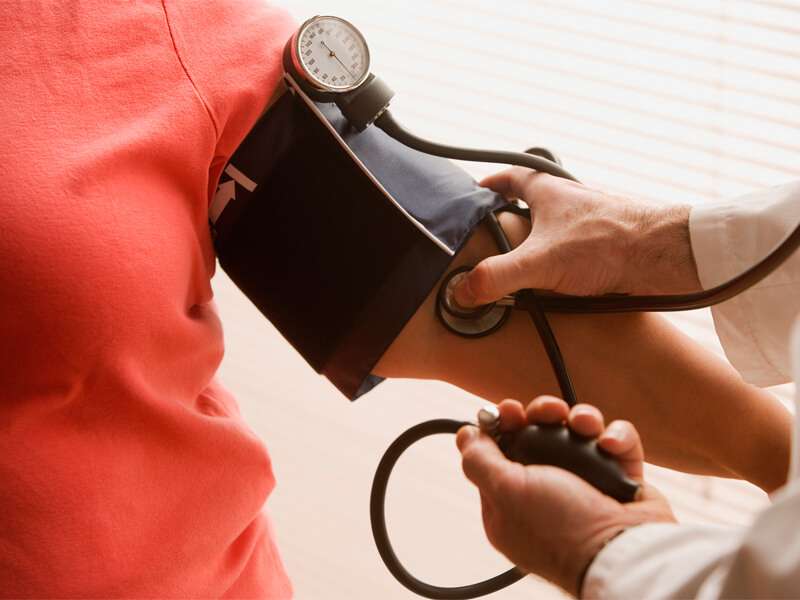
Hypertension, or high blood pressure, is often called the silent killer as it usually has no noticeable symptoms but can lead to serious health issues if untreated. Regular monitoring is crucial for detection and management.
- This condition can be caused by factors such as genetics, poor diet, lack of exercise, and high stress levels.
- A healthcare professional typically diagnoses it during routine exams by measuring blood pressure readings taken at different times.
- Treatment options include lifestyle changes like diet modification and increased physical activity; medications might also be prescribed depending on severity.
- It's important for individuals with hypertension to have regular follow-ups to monitor their progress and adjust treatment as needed.
With appropriate management strategies in place, individuals can lead healthy lives despite having hypertension.
GASTROENTERITIS

Gastroenteritis, commonly known as stomach flu, is an inflammation of the stomach and intestines primarily caused by viral or bacterial infections. It's important to recognize the signs early to manage the condition effectively.
- Typical symptoms include diarrhea, vomiting, abdominal pain, and sometimes fever.
- This condition is usually diagnosed based on medical history and symptom assessment; stool tests may be done in certain cases.
- Management includes staying hydrated by drinking fluids to replace lost electrolytes and sometimes medication to ease nausea and cramps.
- Avoiding certain foods until recovery can further support healing.
- The recovery period can vary, but most people begin to feel better within 1-3 days with proper care.
If symptoms persist or worsen, contacting a healthcare provider is recommended.
ACUTE RESPIRATORY INFECTIONS
Acute respiratory infections (ARIs) are among the most common illnesses, affecting individuals of all ages. These infections can involve the upper or lower respiratory tract and are often caused by viruses or bacteria.
- Symptoms typically include a cough, sore throat, runny or stuffy nose, and fever.
- The diagnosis is made through a physical examination and may involve lab tests if a bacterial infection is suspected.
- Treatment mainly focuses on relieving symptoms, which may include over-the-counter medications for pain and inflammation.
- In some cases, antibiotics are necessary if a bacterial infection is confirmed.
- Most ARIs resolve within a week, but it’s essential to monitor symptoms closely to rule out complications.
If you experience severe symptoms or difficulty breathing, seek medical attention promptly.