
Dr Devesh Srivastava
About Me
Dr Devesh Srivastava
MS
Cardiothorocic Surgeon
10 Years Experience
Biography
My Clinic
OPD Hours
| Monday | Morning | 10:00 AM | - | 02:00 PM |
| Evening | 06:00 PM | - | 09:00 PM | |
| Tuesday | Morning | 10:00 AM | - | 02:00 PM |
| Evening | 06:00 PM | - | 09:00 PM | |
| Wednesday | Morning | 10:00 AM | - | 02:00 PM |
| Evening | 06:00 PM | - | 09:00 PM | |
| Thursday | Morning | 10:00 AM | - | 02:00 PM |
| Evening | 06:00 PM | - | 09:00 PM | |
| Friday | Morning | 10:00 AM | - | 02:00 PM |
| Evening | 06:00 PM | - | 09:00 PM | |
| Saturday | Morning | 10:00 AM | - | 02:00 PM |
| Evening | 06:00 PM | - | 09:00 PM | |
| Sunday | Morning | 10:00 AM | - | 02:00 PM |
| Evening | 06:00 PM | - | 09:00 PM |
Treatments
Specialised care and treatments offered
PREVENTIVE CARDIOLOGY CONSULTATIONS
Preventive cardiology consultations focus on strategies tailored towards individuals aiming to understand their cardiovascular health better. The emphasis is placed on risk reduction through informed lifestyle choices before significant issues arise within one's cardiac system.
- This approach targets people with existing risk factors like high cholesterol levels, diabetes, obesity, family history among others who are predisposed towards developing cardiovascular diseases later down life paths!
- Assessments often include comprehensive physical exams along with multiple diagnostic assessments measuring lipid profiles.
- Tailored recommendations encompass dietary alterations enhancement coupled with fitness guidance ensuring optimal levels maintained preventive measures taken against future incidents arising!
- Regular follow-ups track progress thus setting benchmarks milestones achievable paving roads toward enhanced well-being overall consistency followed positively impacts lives immensely!
Proactively managing one's cardiovascular state leads ultimately healthier aging while reducing occurrences associated morbidity mortality rates within populations worldwide alike!
MANAGEMENT OF CONGENITAL HEART DEFECTS
Congenital heart defects refer to structural problems with the heart present at birth. They vary widely in severity and type but can affect normal circulation if not addressed early on.
- Symptoms may range from mild fatigue and shortness of breath during exertion to more severe issues like cyanosis (bluish skin).
- A diagnosis often relies on echocardiography, which evaluates anatomy and function during fetal development or childhood checkups.
- Management strategies could involve medications aimed at managing symptoms or surgical interventions such as repairs made during infancy depending upon severity levels.
- Early diagnosis alongside proactive measures greatly enhances long-term outcomes for these patients.
Appropriately addressing congenital anomalies helps ensure children lead healthier lives with developments aligned closely with their peers.
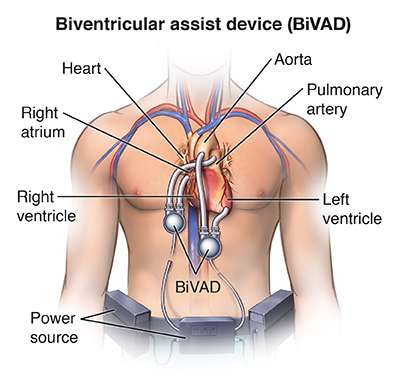
HEART TRANSPLANTATION EVALUATION
A heart transplantation evaluation is an extensive screening process for patients suffering from severe heart failure who are considered for transplant. This assessment determines eligibility based on medical history and current health status.
- The main indications for evaluation include end-stage heart disease not manageable by other means like medication or less invasive surgery.
- Diverse diagnostic tests including blood tests, imaging studies, and psychological evaluations are utilized during this comprehensive review process.
- If deemed suitable for transplantation, patients will undergo education regarding post-transplant care requirements and lifestyle changes necessary for success post-surgery.
This thorough evaluation ensures only appropriate candidates receive transplants, maximizing survival rates while improving patient outcomes dramatically after surgery.
AORTIC ANEURYSM REPAIR
An aortic aneurysm is an abnormal bulge in the wall of the aorta that can be life-threatening if it ruptures. Early detection plays a crucial role in managing this potentially dangerous condition effectively.
- Symptoms may remain silent until rupture occurs but can include sudden pain in the abdomen or back if it enlarges excessively.
- The condition is diagnosed through imaging techniques such as CT scans, MRI, or ultrasound examinations that visualize the size and location of the aneurysm.
- Treatment generally depends on size; smaller aneurysms may be monitored while larger ones typically require surgical repair either through traditional surgery or endovascular techniques.
- Surgical intervention aims to reinforce vascular integrity, preventing rupture risks.
Aortic aneurysm repair can save lives by addressing grave risks before they escalate into emergencies.
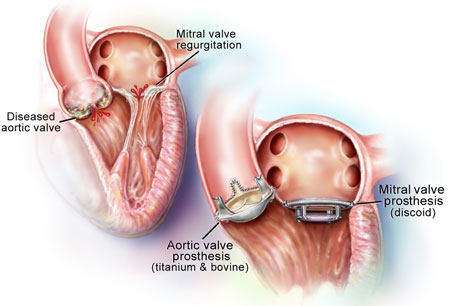
VALVULAR HEART DISEASE REPAIR
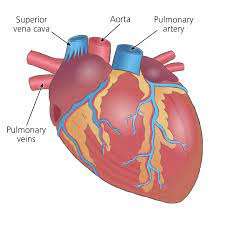
Valvular heart disease refers to damage or a defect in one of the four heart valves that may disrupt normal blood flow. These conditions can significantly impact heart function and require intervention for effective management.
- The most common symptoms consist of fatigue, palpitations, chest pain, and swelling in the legs or abdomen.
- Diagnosis often involves echocardiograms, which provide detailed images of valve function and structure.
- Treatment includes monitoring mild cases; however, severe cases may necessitate surgical repair or replacement of the affected valve.
- Surgical interventions are typically performed as minimally invasive procedures when possible.
- A successful outcome leads to improved cardiac performance and quality of life for patients.
Addressing valvular issues early on can prevent complications such as heart failure or arrhythmias.
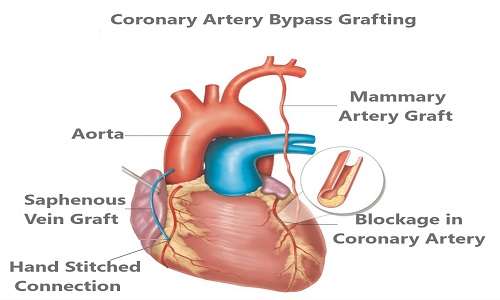
CORONARY ARTERY BYPASS GRAFTING (CABG)
Coronary artery bypass grafting is a surgical procedure meant to treat coronary artery disease, which occurs when the heart's blood vessels become narrowed or blocked. This condition can lead to chest pain and heart attacks, making it essential to restore proper blood flow.
- Common symptoms include chest discomfort, shortness of breath, and fatigue during physical activities.
- Diagnosis typically involves stress tests, echocardiograms, and coronary angiography to assess the extent of arterial blockage.
- Treatment options include lifestyle modifications, medication management, and in severe cases, CABG.
- During the procedure, a surgeon uses healthy blood vessels from other areas of the body to bypass blocked arteries.
- Post-surgery, patients usually experience a gradual improvement in symptoms over time.
The goal of CABG is to improve blood flow to the heart muscle, enhancing overall health and reducing the risk of serious cardiac events.