
Dr Devesh Pandey
About Me
Dr Devesh Pandey
MBBS
General Physician
10 Years Experience
Biography
My Clinic
OPD Hours
| Monday | Morning | 10:00 AM | - | 02:00 PM |
| Evening | 06:00 PM | - | 09:00 PM | |
| Tuesday | Morning | 10:00 AM | - | 02:00 PM |
| Evening | 06:00 PM | - | 09:00 PM | |
| Wednesday | Morning | 10:00 AM | - | 02:00 PM |
| Evening | 06:00 PM | - | 09:00 PM | |
| Thursday | Morning | 10:00 AM | - | 02:00 PM |
| Evening | 06:00 PM | - | 09:00 PM | |
| Friday | Morning | 10:00 AM | - | 02:00 PM |
| Evening | 06:00 PM | - | 09:00 PM | |
| Saturday | Morning | 10:00 AM | - | 02:00 PM |
| Evening | 06:00 PM | - | 09:00 PM | |
| Sunday | Morning | 10:00 AM | - | 02:00 PM |
| Evening | 06:00 PM | - | 09:00 PM |
Treatments
Specialised care and treatments offered
ACUTE UPPER RESPIRATORY TRACT INFECTION MANAGEMENT
This common ailment affects nasal passages and throat causing discomfort but usually resolves within days. Understanding symptom control helps ease recovery anxiety.
- Typical symptoms: sneezing, sore throat, mild fever;
- Diagnosis: clinical based on history without need for complex testing unless complications suspected;
- Treatment options: rest hydration analgesics like paracetamol manage symptoms; antibiotics rarely required unless bacterial infection confirmed;
- Recovery expectations: most improve within one week though cough may linger slightly longer;
Supportive care remains cornerstone ensuring comfort during natural healing process for most cases caused by viruses.
IRON DEFICIENCY ANEMIA EVALUATION AND TREATMENT

Anemia resulting from insufficient iron stores impairs oxygen transport in the body causing fatigue and weakness. Identifying its cause is key for effective resolution.
- Causative aspects & clinical features: Nutritional deficits or chronic bleeding lead to pallor, dizziness, rapid heartbeat among other signs;
CHRONIC OBSTRUCTIVE PULMONARY DISEASE (COPD) MANAGEMENT

COPD includes progressive lung diseases that obstruct airflow. Early recognition aids in preserving respiratory function over time with appropriate interventions.
- Causative factors & signs: Mostly caused by smoking; symptoms include persistent cough with mucus production, breathlessness during exertion.
- The diagnostic process involves: Pulmonary function tests measuring lung capacity; imaging studies also assist diagnosis.
- Treatment regimens consist of: Smoking cessation support; bronchodilator inhalers; pulmonary rehabilitation exercises;
- The expected course: While not curable, timely treatment significantly slows progression improving patient comfort and activity tolerance.
The focus on symptom control combined with lifestyle modification enhances daily functioning despite chronic illness challenges.
GASTROESOPHAGEAL REFLUX DISEASE (GERD) TREATMENT
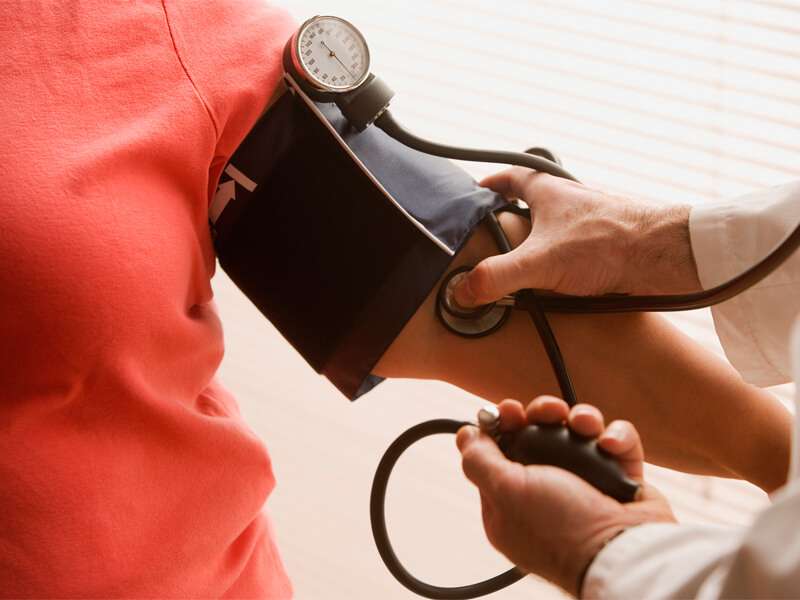
A condition where stomach acid frequently flows back into the tube connecting your mouth and stomach (esophagus), causing irritation. It can disrupt daily living but is manageable with proper care.
- Main causes & symptoms: Weak lower esophageal sphincter leading to heartburn, regurgitation, chest discomfort.
- How the diagnosis is made: Clinical evaluation supported by endoscopy or pH monitoring if needed.
- Treatment approaches: Lifestyle adjustments like avoiding trigger foods; antacids and proton pump inhibitors are commonly used medications.
- Your outlook: Most individuals experience significant relief with adherence to medical advice and timely treatment course adjustments.
This condition requires attention but usually responds well to a combination of treatments tailored to individual needs.
TYPE 2 DIABETES MELLITUS CARE

This chronic condition affects how your body metabolizes sugar. Managing it well is crucial for avoiding complications such as neuropathy or kidney damage.
- Causes and symptoms: Insulin resistance often due to obesity or inactivity; symptoms include frequent urination, fatigue, and blurred vision.
- Diagnostic methods: Blood tests including fasting glucose levels and HbA1c measurements are standard procedures.
- Treatment strategies: Dietary management, oral hypoglycemics, insulin when necessary, alongside regular physical activity.
- Prognosis: With proper control through medication and lifestyle adaptation, progression can be minimized significantly.
Lifelong commitment to treatment plans helps maintain stable sugar levels and prevents serious health issues related to diabetes.
HYPERTENSION MANAGEMENT
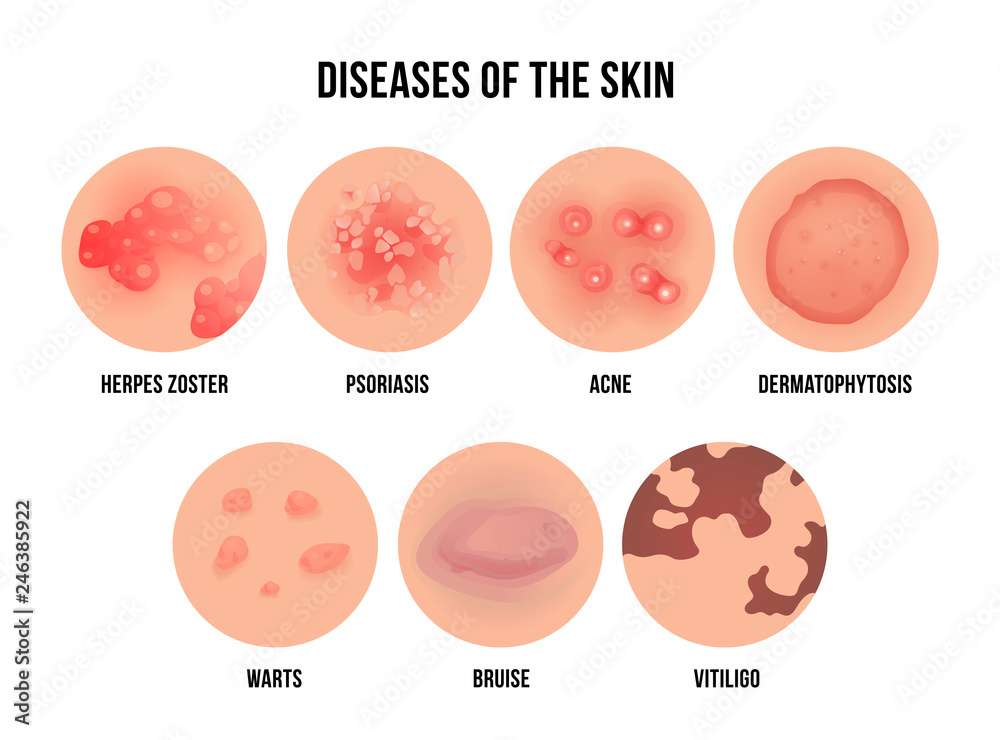
High blood pressure, or hypertension, is a common yet serious health condition that requires careful management to prevent complications. It often develops silently over years and can significantly increase the risk of heart disease and stroke.
- Symptoms and causes: Often symptomless; caused by genetic factors, lifestyle, stress, or underlying conditions.
- Diagnosis: Regular blood pressure monitoring using sphygmomanometers and sometimes ambulatory devices.
- Treatment options: Lifestyle changes like diet, exercise; medications such as ACE inhibitors or beta blockers may be prescribed.
- Management expectations: Ongoing monitoring is essential; adherence to treatment reduces cardiovascular risks effectively.
With consistent care and lifestyle modifications, hypertension can be controlled to maintain quality of life and reduce long-term health threats.