
Dr DeshBandhu Ba
About Me
Dr DeshBandhu Ba
MBBS
Emergency Physician
10 Years Experience
Biography
My Clinic
OPD Hours
| Monday | Morning | 10:00 AM | - | 02:00 PM |
| Evening | 06:00 PM | - | 09:00 PM | |
| Tuesday | Morning | 10:00 AM | - | 02:00 PM |
| Evening | 06:00 PM | - | 09:00 PM | |
| Wednesday | Morning | 10:00 AM | - | 02:00 PM |
| Evening | 06:00 PM | - | 09:00 PM | |
| Thursday | Morning | 10:00 AM | - | 02:00 PM |
| Evening | 06:00 PM | - | 09:00 PM | |
| Friday | Morning | 10:00 AM | - | 02:00 PM |
| Evening | 06:00 PM | - | 09:00 PM | |
| Saturday | Morning | 10:00 AM | - | 02:00 PM |
| Evening | 06:00 PM | - | 09:00 PM | |
| Sunday | Morning | 10:00 AM | - | 02:00 PM |
| Evening | 06:00 PM | - | 09:00 PM |
Treatments
Specialised care and treatments offered
ANAPHYLAXIS MANAGEMENT
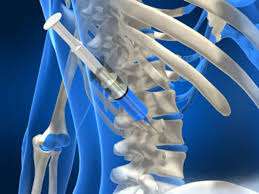
Anaphylaxis represents a severe allergic reaction that progresses rapidly causing airway obstruction and shock. This life-threatening emergency demands immediate recognition and intervention at onset symptoms appear suddenly due to allergens like insect stings or certain foods/drugs among others.
- Symptoms/causes: Skin rash/hives accompanied by swelling of face/lips/tongue , difficulty breathing/wheezing , dizziness , fainting .
- Diagnosis: Clinical assessment based on presenting symptoms is key since delay increases risk ; no specific lab test confirms acute phase initially .
- Treatment options: Intramuscular epinephrine injection remains first-line therapy followed by airway support , intravenous fluids , antihistamines , corticosteroids as adjunctive treatments .
- What to expect: Rapid improvement usually occurs post-epinephrine but monitoring 4-6 hours recommended due to possibility of biphasic reactions .
Awareness about this condition empowers patients/caregivers enabling quick administration of lifesaving interventions thus reducing fatal outcomes dramatically .
STROKE EMERGENCY INTERVENTION

An ischemic or hemorrhagic stroke constitutes a neurological emergency requiring swift action. The window for effective intervention is narrow making rapid diagnosis and treatment paramount for better outcomes.
- Symptoms/causes:The sudden onset of weakness on one side of body, difficulty speaking, facial drooping or vision changes typically indicate cerebral blood flow disruption due to clot or bleeding vessel rupture.
- Diagnosis:A thorough neurologic exam combined with brain imaging such as CT scan differentiates stroke subtype guiding management decisions promptly upon arrival at an emergency unit.
- Treatment options:If ischemic stroke diagnosed early enough thrombolytic therapy may dissolve clots; hemorrhagic strokes might require surgical interventions alongside supportive measures like blood pressure control and seizure prevention.
MYOCARDIAL INFARCTION (HEART ATTACK) RESPONSE

A heart attack occurs when blood flow decreases or stops completely in a coronary artery leading to heart muscle damage. Immediate treatment in an emergency setting saves lives by restoring circulation quickly.
- Symptoms/causes: Sudden chest pain or discomfort spreading to arm/jaw, sweating, nausea often result from coronary artery blockage due to plaque rupture or clot formation.
- Diagnosis: Diagnosis relies on electrocardiography (ECG), blood tests detecting cardiac enzymes along with symptom evaluation.
- Treatment options: Emergency therapy includes aspirin administration, oxygen support if needed, pain relief medications followed by reperfusion therapies such as angioplasty or thrombolytics.
- What to expect:The goal is rapid restoration of blood flow minimizing heart tissue death; immediate hospital transfer with continuous monitoring is essential during recovery phase.
A basic awareness of symptoms can prompt quicker emergency presentations which dramatically improve prognosis after myocardial infarction events.
TRAUMATIC BRAIN INJURY (TBI) EMERGENCY CARE

A sudden blow or jolt to the head can cause a traumatic brain injury requiring urgent medical evaluation. Prompt care aims to minimize brain damage and prevent complications such as swelling or bleeding inside the skull.
- Symptoms/causes: Symptoms vary from headache, dizziness, confusion, loss of consciousness to vomiting after a fall, vehicle accident or assault.
- Diagnosis: Physical examination paired with imaging techniques like CT scans are critical in assessing injury extent.
- Treatment options: Immediate stabilization includes airway protection, controlling bleeding or swelling in some cases surgical intervention may be indicated.
- What to expect: Recovery depends on injury severity; close observation after emergency treatment is common with rehabilitation needed for moderate-to-severe injuries.
An informed understanding helps families recognize warning signs early and ensure rapid access to emergency services when head injuries occur.
SEPSIS MANAGEMENT

Sepsis is a critical condition caused by the body's extreme response to infection that can rapidly lead to tissue damage and organ failure if untreated. Early recognition and treatment are vital for survival.
- Symptoms/causes: Common signs include fever or low body temperature, rapid heart rate, confusion, shortness of breath, and severe weakness often following infections like pneumonia or urinary tract infection.
- Diagnosis: It involves blood tests for infection markers, cultures to identify pathogens, and clinical evaluation of vital signs.
- Treatment options: Prompt administration of intravenous antibiotics and fluids forms the cornerstone; supportive care such as oxygen or vasopressors may be necessary in severe cases.
- What to expect: Early intervention significantly improves outcomes; patients are usually closely monitored in emergency or intensive care settings during initial treatment phases.
A proactive approach for both patients and healthcare providers is essential to combat sepsis effectively through swift medical action.
ACUTE ASTHMA EXACERBATION

When asthma symptoms suddenly worsen, it constitutes an acute asthma exacerbation which can be life-threatening if not managed promptly. This condition requires immediate medical attention to restore normal breathing and prevent complications.
- Symptoms/causes: Patients often experience severe shortness of breath, wheezing, coughing, and chest tightness triggered by allergens, infections, or irritants.
- Diagnosis: Rapid assessment includes physical examination, oxygen saturation measurement, and sometimes peak expiratory flow rate to determine severity.
- Treatment options: Emergency management involves inhaled bronchodilators (like short-acting beta-agonists), systemic corticosteroids to reduce inflammation, and supplemental oxygen as needed.
- What to expect: Close monitoring in the emergency setting is essential; most improve within hours but some may require hospitalization for intensive therapy.
Understanding these steps helps patients and caregivers recognize emergencies early and seek timely care to effectively control acute asthma attacks.