
Dr Deepak Sharma
About Me
Dr Deepak Sharma
MBBS
General Physician
Biography
My Clinic
OPD Hours
| Monday | Morning | 10:00 AM | - | 02:00 PM |
| Evening | 06:00 PM | - | 09:00 PM | |
| Tuesday | Morning | 10:00 AM | - | 02:00 PM |
| Evening | 06:00 PM | - | 09:00 PM | |
| Wednesday | Morning | 10:00 AM | - | 02:00 PM |
| Evening | 06:00 PM | - | 09:00 PM | |
| Thursday | Morning | 10:00 AM | - | 02:00 PM |
| Evening | 06:00 PM | - | 09:00 PM | |
| Friday | Morning | 10:00 AM | - | 02:00 PM |
| Evening | 06:00 PM | - | 09:00 PM | |
| Saturday | Morning | 10:00 AM | - | 02:00 PM |
| Evening | 06:00 PM | - | 09:00 PM | |
| Sunday | Morning | 10:00 AM | - | 02:00 PM |
| Evening | 06:00 PM | - | 09:00 PM |
Treatments
Specialised care and treatments offered
INFECTIOUS DISEASE SCREENING
The screening process for infectious diseases can play a vital role in early detection and management strategies. Various infections can present serious health challenges if unaddressed promptly.
- Symptoms: Patients may experience fever/chills alongside localized pain depending on infection type while chronic infections often remain asymptomatic barring serious complications arise!
- Causative Agents: HIV/AIDS; hepatitis viruses; bacterial infections must be routinely screened especially when risk factors exist including travel history/sexual practices.
- Diagnostic Procedures: If symptomatic/requested by patients clinicians administer tests such as rapid antigen tests/cultures/serological assays determining specific pathogens' presence safely/efficiently.
- Management Options: If detected—treatment entails antibiotics/antiviral therapies/outreach programs focusing prevention via vaccines verifying compliance regularly ensures better outcomes across populations!
Early intervention through efficient screening practices saves lives ensuring community-wide awareness promoting healthcare diligence
THYROID FUNCTION TESTS

The thyroid gland's proper functioning is crucial as it regulates metabolism through hormone production. Thyroid dysfunction can significantly impact overall health.
- Symptoms: Individuals may experience a range of signs including unexplained weight changes (gain/loss), fatigue, temperature sensitivity alterations among others depending on whether hyperthyroidism or hypothyroidism occurs.
- Causes: Autoimmune disorders (like Hashimoto's thyroiditis), iodine deficiency/compliance with certain medications contribute widely towards abnormal thyroid function.
- Diagnostic Assessment: Blood tests measuring TSH (Thyroid Stimulating Hormone) alongside T3/T4 hormone levels provide insight into thyroid performance.
- Treatment Methods: Management approaches encompass medication administration (levothyroxine for hypothyroidism); radioiodine therapy/hyperthyroid surgery could be applicable based on severity.
Identifying thyroid issues early enables appropriate interventions improving metabolic function significantly!
ANEMIA EVALUATION
Anemia is a condition characterized by insufficient healthy red blood cells to carry adequate oxygen to the body's tissues. Identifying its cause is paramount for effective treatment planning.
- Symptoms: Common symptoms include fatigue, weakness, pale skin, and shortness of breath during physical activities. These signs often prompt further investigation into underlying causes.
- Causative Factors: Anemia can result from deficiencies in iron or vitamin B12 or chronic conditions such as kidney disease or inflammatory disorders.
- The Diagnostic Process: Diagnosis involves complete blood count tests alongside additional investigations like iron studies or bone marrow biopsies based on initial findings.
- Treatment Strategies:Anemia treatment varies by type—iron supplements are common for iron deficiency anemia while vitamin supplementation aids other forms; addressing underlying causes is also critical!
Proactive assessment facilitates timely interventions that restore vitality through improved hemoglobin levels
CHOLESTEROL MANAGEMENT
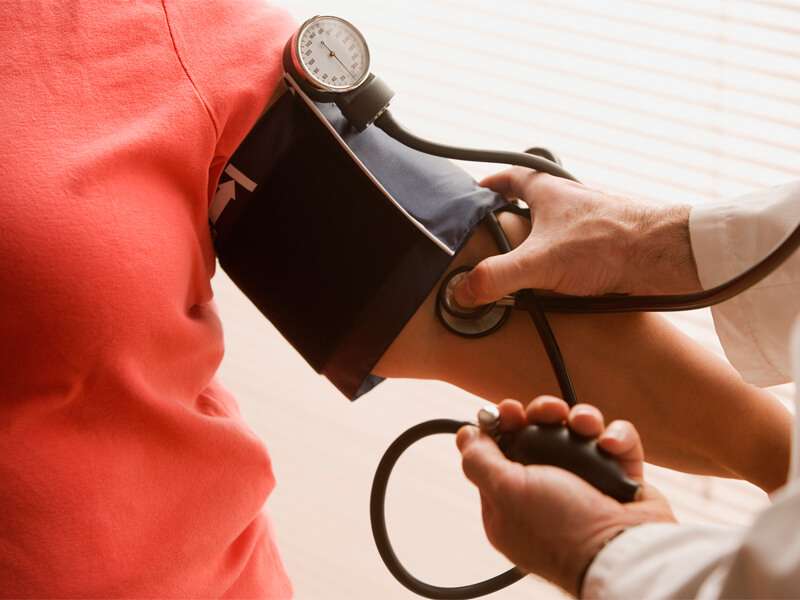
The management of cholesterol levels is crucial for overall cardiovascular health. High cholesterol often does not present noticeable symptoms but poses significant risks if untreated.
- Symptoms: Generally asymptomatic; however, extreme cases may lead to cardiovascular events like heart attacks or strokes.
- Causative Factors: Unhealthy diet high in saturated fats and trans fats, lack of exercise, smoking habits, and genetic factors all contribute to elevated cholesterol levels.
- Diagnosis Procedure: A lipid panel test measures overall cholesterol levels along with LDL (bad) and HDL (good) cholesterol concentrations in the bloodstream.
- Treatment Options: Management strategies include lifestyle changes like healthier eating habits and increased physical activity. Statin medications may be prescribed when necessary to lower LDL cholesterol levels.
A comprehensive approach ensures long-term heart health by effectively controlling cholesterol concentrations in the body.
DIABETES SCREENING

Regular screening for diabetes is essential for identifying individuals at risk before the onset of severe complications. Early intervention can help manage blood sugar levels effectively.
- Symptoms: While symptoms might not be evident during the early stages, some individuals may experience increased thirst, frequent urination, or fatigue.
- Causative Factors: Risk factors include obesity, family history of diabetes, sedentary lifestyle, and age over 45 years.
- How it’s Diagnosed: Diagnosis typically involves fasting blood glucose tests or an oral glucose tolerance test conducted in a clinical setting.
- Treatment Approaches: Effective management includes dietary changes, regular exercise routines, and in some cases, medications such as insulin therapy or metformin.
Sustained monitoring allows for timely adjustments to treatment plans aimed at maintaining optimal health levels.
HYPERTENSION
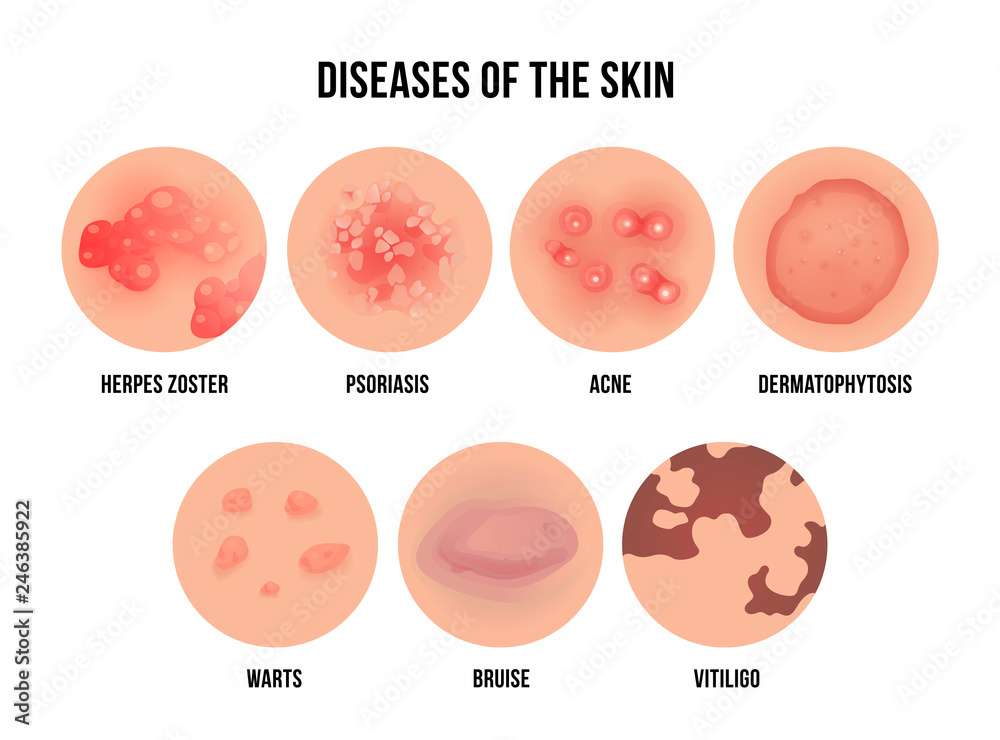
Hypertension, commonly known as high blood pressure, is a prevailing condition that can lead to severe health complications if left unchecked. It often develops over many years and may go unnoticed until significant damage occurs.
- Symptoms: Many patients experience no symptoms initially; however, some may report headaches, dizziness, or shortness of breath in severe cases.
- Causes: Key risk factors include obesity, excessive salt intake, sedentary lifestyle, and genetic predisposition.
- Diagnosis: Blood pressure is measured using a sphygmomanometer. A diagnosis may require multiple readings across several visits to confirm consistent hypertension.
- Treatment Options: Lifestyle changes like diet modifications and increased physical activity are crucial. Medications such as ACE inhibitors or diuretics may also be prescribed.
- Monitoring: Regular check-ups are essential for managing blood pressure and adjusting treatment plans accordingly.
Early detection and management of hypertension are vital for preventing complications such as heart disease and stroke.