
DR Deepak Gupta
About Me
DR Deepak Gupta
MD
Diabetologist
10 Years Experience
Biography
My Clinic
OPD Hours
| Monday | Morning | 10:00 AM | - | 02:00 PM |
| Evening | 06:00 PM | - | 09:00 PM | |
| Tuesday | Morning | 10:00 AM | - | 02:00 PM |
| Evening | 06:00 PM | - | 09:00 PM | |
| Wednesday | Morning | 10:00 AM | - | 02:00 PM |
| Evening | 06:00 PM | - | 09:00 PM | |
| Thursday | Morning | 10:00 AM | - | 02:00 PM |
| Evening | 06:00 PM | - | 09:00 PM | |
| Friday | Morning | 10:00 AM | - | 02:00 PM |
| Evening | 06:00 PM | - | 09:00 PM | |
| Saturday | Morning | 10:00 AM | - | 02:00 PM |
| Evening | 06:00 PM | - | 09:00 PM | |
| Sunday | Morning | 10:00 AM | - | 02:00 PM |
| Evening | 06:00 PM | - | 09:00 PM |
Treatments
Specialised care and treatments offered
DIABETES MANAGEMENT EDUCATION

An essential component in living well with diabetes involves education about self-management strategies. Understanding how diet, exercise modifications impact overall health empowers patients significantly in controlling their condition better over time .
- Core Topics: Nutrition guidelines tailored specifically toward individual needs based on medical history along with carbohydrate counting techniques will be emphasized .
- Self-Monitoring: Guidance provided covers how frequently one should monitor their own glucose levels throughout each day based upon prescribed regimens .
- Exercise Plans: Personalized exercise recommendations aimed at improving metabolic control while considering existing comorbidities like hypertension will be discussed .
The goal remains enabling individuals living with chronic conditions such as diabetes navigate these challenges confidently while maintaining optimal health outcomes long-term!
HYPOGLYCEMIA
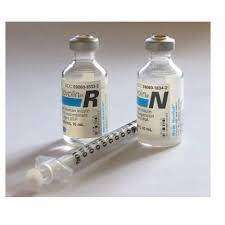
Hypoglycemia occurs when blood glucose levels drop too low. For people with diabetes who manage their insulin intake meticulously, understanding hypoglycemia symptoms is vital for ensuring safety during daily activities.
- Symptoms: Sweating, trembling , hunger , irritability , confusion , or dizziness are common signs that signify low blood glucose levels .
- Diagnosis: Diagnosed through symptoms alongside measuring blood glucose using home monitors .
- Treatment: Immediate treatment involves consuming fast-acting carbohydrates like fruit juice or glucose tablets . Long-term strategies focus on adjusting medication dosages under professional guidance .
Recognizing these symptoms promptly allows for swift corrective actions , reducing risks associated with severe complications related to hypoglycemia .
DIABETIC KIDNEY DISEASE
This form of kidney disease is a common complication of diabetes where high blood sugar damages the kidneys over time. Managing this condition is vital to prevent further kidney failure or other serious health issues.
- Symptoms: Early stages may not present noticeable symptoms; however, fatigue, swelling in legs/ankles due to fluid retention might occur later on.
- Diagnosis: Blood tests measuring creatinine levels along with urine tests checking for protein will indicate kidney function status.
- Treatment options: Blood pressure control through medications like ACE inhibitors or ARBs helps protect kidney function. Dietary adjustments focusing on low salt intake can also aid management efforts.
DIABETIC NEUROPATHY
Diabetic neuropathy refers to nerve damage caused by high blood sugar levels over time. This common complication of diabetes can affect various parts of the body but often starts in the extremities.
- Symptoms: Patients may experience numbness or tingling in hands and feet, pain or sensitivity to touch, and muscle weakness.
- Diagnosis: Diagnosis is based on medical history and neurological examinations along with possibly nerve conduction studies to assess nerve function.
- Treatment options: There is no cure; however, managing blood sugar levels effectively can slow progression. Pain relief medication and physical therapy may be used for symptom management.
- Coping strategies: Regular foot care is crucial as nerve damage increases susceptibility to injuries. Regular check-ups with a healthcare provider help in managing this condition effectively.
The key lies in early detection and proactive management of diabetes-related symptoms to enhance quality of life.
GESTATIONAL DIABETES
Gestational diabetes develops during pregnancy and typically resolves after childbirth. It occurs when the body cannot produce enough insulin to meet the added demands of pregnancy, leading to high blood sugar levels that can affect both mother and baby.
- Symptoms: Many women do not experience noticeable symptoms; however, some may notice increased thirst and frequent urination.
- Diagnosis: Usually identified during routine prenatal screenings through glucose tolerance tests around the 24th week of pregnancy.
- Treatment: Management includes dietary modifications, regular physical activity, sometimes insulin therapy or other medications if lifestyle changes are insufficient.
- Outlook: After delivery, blood sugar levels usually return to normal; however, women with gestational diabetes are at higher risk of developing Type 2 diabetes later in life.
Monitoring and support from healthcare professionals are critical for managing gestational diabetes effectively.
TYPE 2 DIABETES MELLITUS
Type 2 diabetes is a chronic condition that affects the way your body metabolizes sugar (glucose). It occurs when the body becomes resistant to insulin or doesn't produce enough of it. This can lead to elevated blood sugar levels, which if left unmanaged, may cause serious health complications.
- Symptoms: Increased thirst, frequent urination, extreme fatigue, and blurred vision are common signs.
- Diagnosis: Typically diagnosed through blood tests measuring glucose levels, including fasting blood sugar tests and A1C tests.
- Management: Treatment options include lifestyle changes such as diet and exercise, medications like metformin, and monitoring glucose levels regularly.
- Expectations: With proper management, individuals can lead a healthy life. Regular follow-ups with a healthcare provider are essential to monitor progress and adjust treatment plans as necessary.
Early intervention can greatly improve outcomes for those with Type 2 diabetes.