
Dr Deepak Dalmea
About Me
Dr Deepak Dalmea
MBBS
Dermatologist
10 Years Experience
Biography
My Clinic
OPD Hours
| Monday | Morning | 10:00 AM | - | 02:00 PM |
| Evening | 06:00 PM | - | 09:00 PM | |
| Tuesday | Morning | 10:00 AM | - | 02:00 PM |
| Evening | 06:00 PM | - | 09:00 PM | |
| Wednesday | Morning | 10:00 AM | - | 02:00 PM |
| Evening | 06:00 PM | - | 09:00 PM | |
| Thursday | Morning | 10:00 AM | - | 02:00 PM |
| Evening | 06:00 PM | - | 09:00 PM | |
| Friday | Morning | 10:00 AM | - | 02:00 PM |
| Evening | 06:00 PM | - | 09:00 PM | |
| Saturday | Morning | 10:00 AM | - | 02:00 PM |
| Evening | 06:00 PM | - | 09:00 PM | |
| Sunday | Morning | 10:00 AM | - | 02:00 PM |
| Evening | 06:00 PM | - | 09:00 PM |
Treatments
Specialised care and treatments offered
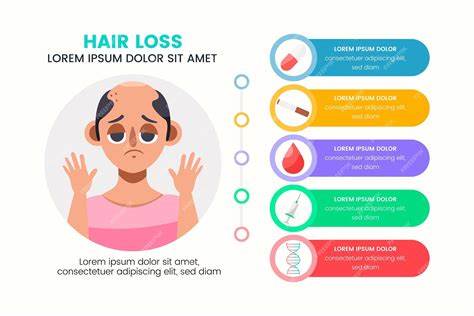
BOTULINUM TOXIN INJECTIONS
The therapeutic use of botulinum toxin injections targets dynamic facial wrinkles caused by muscle contractions. This minimally invasive approach temporarily relaxes muscles creating a smoother appearance commonly desired in aesthetic dermatology practice.
- Indications: Used primarily for forehead lines , crow’s feet , frown lines ,and selected hyperhidrosis cases .
- Mechanism : The neurotoxin blocks nerve signals responsible for muscle movement resulting in relaxation .
- Administration : Small doses injected precisely into targeted muscles during short outpatient visits .
- Duration : Effects begin within days , lasting 3–6 months requiring periodic retreatment .
- Safety : Generally safe when performed by trained dermatologists respecting dosing guidelines minimizing adverse effects .
This treatment provides an effective non-surgical option improving facial aesthetics helping boost confidence with limited recovery time .
CHEMICAL PEELS
Chemical peels are controlled exfoliation treatments using acidic solutions to remove damaged outer layers of facial skin. They can address various cosmetic concerns depending on peel depth from superficial to deep levels.
CRYOTHERAPY
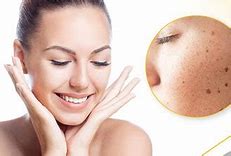
Cryotherapy involves the use of extreme cold to destroy abnormal or benign skin lesions effectively. This outpatient treatment offers quick recovery without significant discomfort for many superficial conditions.
- Treated Conditions: Includes warts, actinic keratosis, seborrheic keratosis, and certain small precancerous growths.
- Description of Procedure: Liquid nitrogen is applied via spray or probe directly onto lesions causing rapid freezing and cell destruction.
- Dosing & Sessions: Number of treatments depends on lesion size and depth; some cases resolve after one application whereas others need repeat sessions.
- Pain & Side Effects: Mild stinging sensation during treatment typically subsides quickly; blistering or temporary discoloration may follow but heal naturally within weeks.
An accessible method widely used due to its effectiveness and safety profile when applied appropriately by trained specialists.
PLATELET-RICH PLASMA (PRP) THERAPY
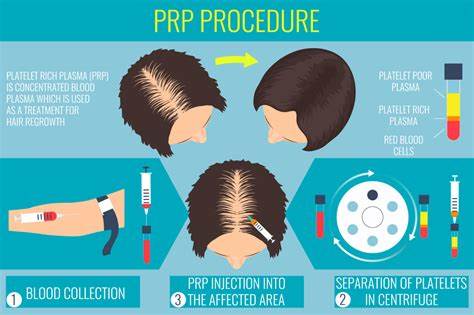
PRP therapy harnesses the body's own healing capabilities by concentrating platelets from blood to stimulate tissue regeneration. It has gained popularity in dermatology for improving skin texture and hair growth disorders.
- Uses: Applied in treating acne scars, fine lines, alopecia, and enhancing overall skin vitality.
- Preparation & Procedure: Blood is drawn then spun in a centrifuge to separate platelet-rich plasma which is injected into targeted areas.
- Efficacy: Growth factors released by platelets promote collagen synthesis and cellular repair mechanisms.
- Treatment Regimen: Multiple sessions spaced weeks apart may be required for desired effects; results develop gradually over months.
This biocompatible approach minimizes risk of allergic reactions while providing a natural rejuvenation strategy supported by clinical evidence.
MOHS MICROGRAPHIC SURGERY
This highly precise surgical technique is employed primarily for the removal of certain skin cancers while preserving as much healthy tissue as possible. Its accuracy makes it the preferred choice in cosmetically sensitive areas.
- Candidacy: Ideal for basal cell carcinoma or squamous cell carcinoma located on the face or other critical regions.
- Procedure Details: The cancerous tissue is removed layer by layer with immediate microscopic examination until no cancer cells remain.
- Aims: To achieve complete tumor excision while sparing surrounding normal skin for better aesthetic outcomes.
- The Recovery Phase: Postoperative care includes wound management and monitoring for infection or recurrence.
This method maximizes cure rates with minimized scarring through meticulous surgical technique combined with histopathological analysis.
LASER RESURFACING
Laser resurfacing is a cutting-edge procedure designed to rejuvenate the skin by removing damaged outer layers and stimulating collagen production. It offers a minimally invasive option to address a variety of skin concerns.
- Indications: Commonly used for reducing wrinkles, scars, uneven pigmentation, and sun damage.
- Diagnosis: Assessment includes skin type evaluation and determining specific areas of concern to tailor the laser settings.
- Treatment Process: Involves using targeted laser beams that vaporize damaged skin cells, promoting new healthy tissue growth.
- Aftercare: Expect redness and sensitivity for several days; proper moisturization and sun protection are essential during healing.
- Outcomes: Results include smoother texture, improved tone, and reduced signs of aging with gradual improvement over weeks.
This procedure requires careful patient selection and professional expertise to ensure effective results with minimal downtime.