
Dr Das Multi-Spec
About Me
Dr Das Multi-Spec
MBBS
General Physician
10 Years Experience
Biography
My Clinic
OPD Hours
| Monday | Morning | 10:00 AM | - | 02:00 PM |
| Evening | 06:00 PM | - | 09:00 PM | |
| Tuesday | Morning | 10:00 AM | - | 02:00 PM |
| Evening | 06:00 PM | - | 09:00 PM | |
| Wednesday | Morning | 10:00 AM | - | 02:00 PM |
| Evening | 06:00 PM | - | 09:00 PM | |
| Thursday | Morning | 10:00 AM | - | 02:00 PM |
| Evening | 06:00 PM | - | 09:00 PM | |
| Friday | Morning | 10:00 AM | - | 02:00 PM |
| Evening | 06:00 PM | - | 09:00 PM | |
| Saturday | Morning | 10:00 AM | - | 02:00 PM |
| Evening | 06:00 PM | - | 09:00 PM | |
| Sunday | Morning | 10:00 AM | - | 02:00 PM |
| Evening | 06:00 PM | - | 09:00 PM |
Treatments
Specialised care and treatments offered
IRON DEFICIENCY ANEMIA TREATMENT
Anemia caused by insufficient iron affects oxygen delivery in the body resulting in fatigue and weakness. Addressing the underlying cause along with supplementation restores normalcy efficiently.
- Etiology & signs: Commonly results from inadequate dietary intake, chronic blood loss or malabsorption; patients complain of tiredness, pallor & dizziness;
- Diagnostic workup: Complete blood count revealing low hemoglobin & mean corpuscular volume along with serum ferritin level assessment;
- Management approach: Oral iron supplements alongside dietary recommendations rich in iron sources help replenish stores gradually;
- Follow-up considerations: Repeat tests after treatment initiation ensure restoration of adequate hemoglobin levels preventing recurrence;
Iron deficiency anemia requires timely intervention but responds well to conservative measures when managed appropriately under medical supervision.
CHRONIC OBSTRUCTIVE PULMONARY DISEASE (COPD) MANAGEMENT

This progressive lung disease causes breathing difficulties that worsen over time. Early intervention slows its advancement while improving daily function and quality of life.
- Epidemiology & causes:Affects mainly smokers or those exposed to pollutants over prolonged periods leading to airway inflammation and airflow obstruction;
- Clinical presentation: Chronic cough with sputum production along with shortness of breath especially on exertion;
- Diagnosis: Pulmonary function tests alongside chest X-rays confirm diagnosis;
- Treatment modalities: Smoking cessation is vital followed by bronchodilators inhalers which relieve symptoms; oxygen therapy might be required in advanced cases;
Continuous medical guidance helps manage COPD symptoms effectively preventing exacerbations while facilitating better respiratory status overall.
ROUTINE HEALTH CHECKUPS

A periodic comprehensive medical examination helps identify potential health issues before they become serious. It promotes wellness through early detection of diseases in asymptomatic stages.
- Purpose of checkups: Screen for conditions like hypertension, diabetes, cholesterol imbalance; assess lifestyle habits affecting health.
- Typical components: Physical examination including vital signs measurement; blood tests; urine analysis; vision/hearing screening where relevant;
- Lifestyle counseling: Advice on nutrition, exercise routines, smoking cessation tailored according to individual health profile;
- Disease prevention plans: Vaccination status review and scheduling updates against influenza or pneumonia where appropriate;
The goal is to empower patients by maintaining optimal health via customized preventive strategies based on their unique risk factors identified during these visits.
ACUTE UPPER RESPIRATORY TRACT INFECTION CARE
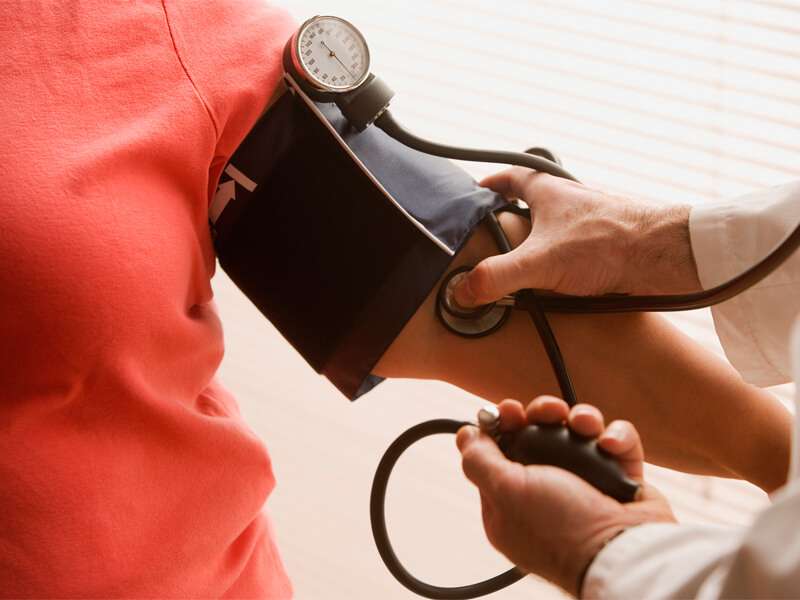
Catching a cold or similar respiratory infection is common but proper care ensures quick recovery. Most infections are viral and self-limiting but require symptom management for patient comfort.
- Main symptoms: Nasal congestion, sore throat, cough, mild fever, and fatigue typically characterize these infections.
- Diagnosis: Clinical evaluation usually suffices; laboratory tests or imaging are rare unless complications arise.
- Treatment focus: Symptomatic relief through hydration, rest, over-the-counter pain relievers, and throat lozenges is advised; antibiotics are avoided unless bacterial infection is confirmed.
- Recovery expectations: Symptoms generally resolve within one to two weeks with no long-term effects in healthy individuals.
Mild respiratory infections deserve attention for supportive care and monitoring but usually do not require invasive interventions.
TYPE 2 DIABETES MELLITUS MONITORING

This chronic condition affects how your body processes blood sugar (glucose), requiring ongoing supervision to prevent complications. Managing diabetes effectively improves quality of life significantly.
- Causes and symptoms: It develops due to insulin resistance or inadequate insulin production; common signs include excessive thirst, frequent urination, and fatigue.
- Diagnosis methods: Blood tests such as fasting glucose levels or HbA1c measurements confirm the condition.
- Treatment strategies: Includes lifestyle adjustments like diet control and weight loss combined with oral hypoglycemics or sometimes insulin injections if needed.
- Complication prevention: Routine monitoring of eyes, kidneys, and feet is critical to detect early damage caused by sustained high sugar levels.
A proactive approach involving regular checkups and adherence to treatment regimens keeps symptoms manageable and prevents progression of diabetes-related complications.
HYPERTENSION MANAGEMENT

High blood pressure is a common health issue that can lead to serious complications if left unchecked. Understanding how to manage it effectively is crucial for maintaining long-term heart health.
- Symptoms and causes: Often called the 'silent killer,' hypertension may present no symptoms initially, but risk factors include genetics, diet high in salt, obesity, and stress.
- Diagnostic approach: Blood pressure readings taken during multiple visits help confirm the diagnosis; ambulatory monitoring may also be used.
- Treatment options: Lifestyle modifications such as regular exercise, diet changes, and quitting smoking are primary; medications like ACE inhibitors or beta-blockers are prescribed depending on severity.
- Monitoring and management: Regular follow-ups ensure blood pressure remains controlled to reduce risks of stroke or heart attack.
With vigilant care and adherence to medical advice, hypertension can be managed effectively, reducing the chance of severe cardiovascular events.