
Dr Damachayan Su
About Me
Dr Damachayan Su
MS
Orthopaedic Surgeons
10 Years Experience
Biography
My Clinic
OPD Hours
| Monday | Morning | 10:00 AM | - | 02:00 PM |
| Evening | 06:00 PM | - | 09:00 PM | |
| Tuesday | Morning | 10:00 AM | - | 02:00 PM |
| Evening | 06:00 PM | - | 09:00 PM | |
| Wednesday | Morning | 10:00 AM | - | 02:00 PM |
| Evening | 06:00 PM | - | 09:00 PM | |
| Thursday | Morning | 10:00 AM | - | 02:00 PM |
| Evening | 06:00 PM | - | 09:00 PM | |
| Friday | Morning | 10:00 AM | - | 02:00 PM |
| Evening | 06:00 PM | - | 09:00 PM | |
| Saturday | Morning | 10:00 AM | - | 02:00 PM |
| Evening | 06:00 PM | - | 09:00 PM | |
| Sunday | Morning | 10:00 AM | - | 02:00 PM |
| Evening | 06:00 PM | - | 09:00 PM |
Treatments
Specialised care and treatments offered
SPORTS INJURY TREATMENT
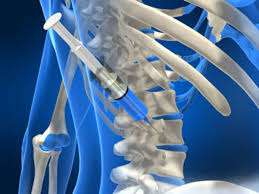
Sustaining an injury during sports activities is common; recognizing their nature facilitates quicker recovery. Knowledge of typical sports injuries aids in prompt action towards treatment!
- The hallmark signs typically encompass acute pain surrounding the injured area along with swelling or bruising..
- A comprehensive assessment incorporating clinical evaluations alongside imaging studies forms part of diagnosing specific types of sports-related damage.
- Management strategies usually prioritize immediate first aid,followed ultimately by gradual rehabilitation processes aimed at returning athletes safely back onto playing fields once healed properly!
Being proactive about addressing sports injuries ensures not only better healing results but also reduces future risks related towards subsequent recurrences .
JOINT REPLACEMENT SURGERY
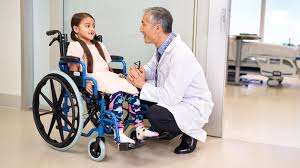
This surgical procedure replaces damaged joints such as hips or knees with artificial implants when conservative treatments fail. Awareness of this option expands possibility for relief from chronic joint pain.
- Persistent pain during daily activities is a primary indicator that joint replacement might be necessary.
- An orthopedic specialist conducts comprehensive evaluations including x-rays before recommending surgery based on symptom severity。
- Recovery following surgery includes rehabilitation programs designed especially for restoring functionality as soon as possible,
A successful surgery greatly enhances mobility while minimizing discomfort associated with degenerative diseases occurring in joints .
ARTHRITIS CARE

Arthritis encompasses various joint disorders characterized by inflammation that causes pain and stiffness. Understanding its implications is essential for comprehensive care.
- Mainly affecting older adults, symptoms include joint pain, swelling, and reduced range of motion.
- The diagnostic process involves physical examinations along with blood tests or x-rays to identify specific types of arthritis.
- Treatment may involve medications such as nonsteroidal anti-inflammatory drugs (NSAIDs) along with physical therapy and lifestyle modifications. In some cases, surgical options may be considered for severe symptoms.
- Your treatment plan will be tailored specifically to manage symptoms effectively while maintaining joint function.
Proactive management of arthritis can improve quality of life significantly over time.
TENDON INJURIES

Tendon injuries can arise from sudden movements or overuse, leading to pain and decreased mobility. Learning about these injuries is essential for effective management.
- Pain, tenderness, and restricted movement are common symptoms associated with tendon injuries.
- A proper diagnosis may require physical assessments along with imaging techniques, like ultrasound or MRI.
- Treatment options often include rest, physical therapy, and in severe cases, surgical repair.
- Your recovery phase will incorporate exercises aimed at restoring tendon function without further injury.
A comprehensive treatment approach can significantly enhance your recovery prospects after a tendon injury.
LIGAMENT RECONSTRUCTION

Ligaments play a vital role in stabilizing joints, and tears or ruptures can lead to significant dysfunction. Proper understanding of this condition is key for effective treatment.
- The most common symptoms include instability in the joint, swelling, and pain during movement.
- Diagnosis usually involves a thorough physical examination along with imaging tests, such as MRI, to assess ligament damage.
- Treatment often requires surgical reconstruction followed by a structured rehabilitation plan to regain joint stability and mobility.
- Your healthcare provider will closely monitor your recovery progress to ensure optimal outcomes.
Early intervention is crucial for successful ligament reconstruction and helps restore normal function more swiftly.
FRACTURE MANAGEMENT

Bone fractures are common injuries that can occur due to falls, accidents, or sports-related activities. Understanding how these injuries are diagnosed and treated is crucial for effective recovery.
- Symptoms may include severe pain, swelling, and an inability to use the affected limb.
- Diagnosis typically involves x-rays or other imaging techniques to determine the type and severity of the fracture.
- Treatment options range from immobilization using casts or splints to surgical intervention if necessary.
- Your recovery process will involve rehabilitation, focusing on restoring strength and function to the injured area.
A timely and appropriate approach to managing fractures can significantly enhance healing outcomes and minimize long-term complications.