
Dr D P Zarrah
About Me
Dr D P Zarrah
MD
Pulmonologist
10 Years Experience
Biography
My Clinic
OPD Hours
| Monday | Morning | 10:00 AM | - | 02:00 PM |
| Evening | 06:00 PM | - | 09:00 PM | |
| Tuesday | Morning | 10:00 AM | - | 02:00 PM |
| Evening | 06:00 PM | - | 09:00 PM | |
| Wednesday | Morning | 10:00 AM | - | 02:00 PM |
| Evening | 06:00 PM | - | 09:00 PM | |
| Thursday | Morning | 10:00 AM | - | 02:00 PM |
| Evening | 06:00 PM | - | 09:00 PM | |
| Friday | Morning | 10:00 AM | - | 02:00 PM |
| Evening | 06:00 PM | - | 09:00 PM | |
| Saturday | Morning | 10:00 AM | - | 02:00 PM |
| Evening | 06:00 PM | - | 09:00 PM | |
| Sunday | Morning | 10:00 AM | - | 02:00 PM |
| Evening | 06:00 PM | - | 09:00 PM |
Treatments
Specialised care and treatments offered
PNEUMONIA
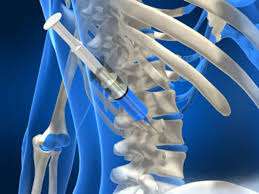
Pneumonia is an infection that inflames air sacs in one or both lungs often caused by bacteria viruses fungi leading fluid fill-up impairing gas exchange efficiency! Young children elderly adults especially vulnerable populations at risk developing severe consequences following infection onset!
- Symptoms : Primary indicators encompass persistent cough producing phlegm/ pus sometimes accompanied fever chills difficulty breathing prompts immediate medical attention needed!
- Diagnosis : A physician assesses do thorough clinical examination ordering necessary tests determining whether diagnosing pneumonia requires chest x-rays blood cultures cultures secretions expelled from airways susceptible pathogens present within respective system(s).
- Treatment : Depending type severity prescribed antibiotics possible antiviral medications assist recovery time shortened duration illness experienced overall wellness! Also consider OTC remedies ease accompany discomfort caused fever body aches alongside required bedrest essential aid healing process thereafter any adverse effects observed should warrant further follow-up consultation urgencies arise!
Quick identification effective management crucial preventing complications arising series acute chronic alterations prolonged implications faced later down road individuals experiencing these common ailments affecting day-to-day activities longterm impacts well-being too!
PULMONARY HYPERTENSION

Pulmonary Hypertension refers to high blood pressure in the arteries that supply blood to the lungs. This serious condition impacts heart function significantly since it forces the right side of the heart work harder than normal against increased resistance in these vessels!
- Symptoms : Patients usually present with fatigue on exertion; dyspnea even at rest; chest pain; palpitations; swelling around ankles due fluid overload due chronic strain imposed upon cardiovascular parameters throughout time!
- Diagnosis : Diagnosis requires comprehensive assessment including echocardiograms measuring pressures within cardiac structure plus additional imaging modalities such CT scans etc.checking potential underlying causes contributing towards elevated vascular loads)
- Treatment : While there's currently no definitive cure available though therapies focus on symptom management aiming improve quality life! Options range from diuretics reduce edema; anticoagulation strategies manage clot risks associated compromised flow dynamics through these critical vessels!
Early diagnosis ensures prompt intervention keeping patients healthier longer while optimizing routine check-ups mitigate future challenges related this potentially debilitating ailment affecting respiratory circulatory systems alike!
SLEEP APNEA

Sleep Apnea is a serious disorder where breathing repeatedly stops and starts during sleep. It affects a person’s ability to get restful sleep which can lead to various health issues if left untreated. The most common type is obstructive sleep apnea (OSA).
- Symptoms: Symptoms typically include loud snoring, episodes of halted breathing witnessed by another person during sleep, morning headaches, excessive daytime sleepiness, irritability, or mood swings.
- Diagnosis: Diagnosis often involves sleep studies (polysomnography) that monitor breathing patterns during rest periods while also assessing blood oxygen levels.
- Treatment: Treatment options may comprise continuous positive airway pressure (CPAP) therapy which keeps airways open during sleep or oral appliances designed to reposition the jaw tongue comfortably during rest. Lifestyle modifications play a significant role too!
INTERSTITIAL LUNG DISEASE (ILD)

Interstitial Lung Disease encompasses a group of disorders that cause progressive scarring in the lungs leading to impaired breathing. This category includes various conditions like pulmonary fibrosis that result from exposure to toxins or autoimmune diseases.
- Symptoms: Patients may experience shortness of breath during exertion, a persistent dry cough, fatigue, and unexplained weight loss as the disease progresses.
- Diagnosis: Diagnosing ILD usually requires imaging tests such as chest X-rays or CT scans followed by lung biopsies when necessary for confirmation.
- Treatment: Though there is no complete cure available yet, management might involve medications like corticosteroids or immunosuppressants aimed at slowing disease progression alongside supportive therapies such as oxygen therapy.
- Management: Ongoing evaluation by healthcare providers helps tailor treatment plans based on individual responses over time.
A comprehensive understanding of ILD aids patients in recognizing symptoms early and seeking medical attention promptly to optimize their health outcomes under specialized care.
ASTHMA

Asthma is a common respiratory condition that causes inflammation and narrowing of the airways in response to triggers such as allergens or exercise. It occurs across all age groups but often starts in childhood.
- Symptoms: Common signs include wheezing, chest tightness, persistent cough (especially at night), and difficulty breathing.
- Diagnosis: Diagnosis may involve detailed questionnaires on health history and lung function tests like peak flow measurements or allergen sensitivity testing.
- Treatment: Management consists of inhaled corticosteroids, bronchodilators for quick relief, and avoiding identified triggers for individual patients.
- Management: Creating an asthma action plan with a healthcare provider can help systematically manage symptoms effectively.
- What to Expect: With proper treatment and self-management strategies in place, many people with asthma lead full normal lives without significant limitations.
Education about asthma is vital. Understanding the condition empowers patients to manage their health better and respond effectively to asthma attacks when they occur.
CHRONIC OBSTRUCTIVE PULMONARY DISEASE (COPD)

Chronic Obstructive Pulmonary Disease, commonly known as COPD, is a progressive lung condition characterized by increasing breathlessness. This condition primarily results from long-term exposure to harmful substances such as tobacco smoke, air pollution, or occupational hazards.
- Symptoms: The most prevalent symptoms include chronic cough, sputum production, wheezing, and dyspnea (shortness of breath) during physical activities.
- Diagnosis: Diagnosis typically involves a detailed medical history review, physical examination, and spirometry tests that measure lung function.
- Treatment: While there is no cure for COPD, management options include bronchodilators, corticosteroids, pulmonary rehabilitation programs, and lifestyle changes like smoking cessation.
- Management: Regular follow-ups are essential for monitoring the progression of the disease and adjusting treatment plans accordingly.
- What to Expect: Patients can expect personalized care aimed at minimizing symptoms and improving overall quality of life through effective management strategies.
Understanding COPD is crucial for effective management and enhancing daily living. Engaging in lifestyle changes and adhering to treatment regimens can significantly improve outcomes for individuals affected by this chronic disease.