
Dr D Mukherji
About Me
Dr D Mukherji
MBBS
Diabetologist
10 Years Experience
Biography
My Clinic
OPD Hours
| Monday | Morning | 10:00 AM | - | 02:00 PM |
| Evening | 06:00 PM | - | 09:00 PM | |
| Tuesday | Morning | 10:00 AM | - | 02:00 PM |
| Evening | 06:00 PM | - | 09:00 PM | |
| Wednesday | Morning | 10:00 AM | - | 02:00 PM |
| Evening | 06:00 PM | - | 09:00 PM | |
| Thursday | Morning | 10:00 AM | - | 02:00 PM |
| Evening | 06:00 PM | - | 09:00 PM | |
| Friday | Morning | 10:00 AM | - | 02:00 PM |
| Evening | 06:00 PM | - | 09:00 PM | |
| Saturday | Morning | 10:00 AM | - | 02:00 PM |
| Evening | 06:00 PM | - | 09:00 PM | |
| Sunday | Morning | 10:00 AM | - | 02:00 PM |
| Evening | 06:00 PM | - | 09:00 PM |
Treatments
Specialised care and treatments offered
HBA1C TESTING
DIABETIC FOOT CARE
The prevention of foot complications is critical for diabetic patients due to the risk of neuropathy and poor circulation. Proper foot care reduces infections and ulcers that can lead to serious consequences if untreated.
LIFESTYLE MODIFICATION COUNSELING
A fundamental aspect of diabetes care involves lifestyle changes designed to enhance treatment outcomes. Patients receive tailored guidance on nutrition, physical activity, and habits that influence glucose metabolism.
- Nutritional advice: Emphasizes balanced diets rich in fiber, low in refined sugars and saturated fats.
- Exercise benefits: Encourages regular physical activity improving insulin sensitivity and weight management.
- BMI monitoring: Maintaining healthy body weight can significantly impact disease progression and complications risk.
- Sugar regulation techniques: Education on reading food labels and portion control supports informed choices daily.
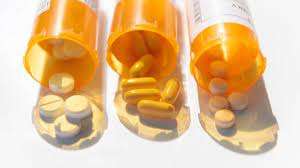
ORAL HYPOGLYCEMIC AGENTS MANAGEMENT
Treating type 2 diabetes often involves oral medications that help regulate blood sugar levels. These agents work through various mechanisms and are tailored to patient-specific conditions.
- Main types: Include metformin, sulfonylureas, DPP-4 inhibitors, SGLT2 inhibitors, among others.
- Diagnosis integration: Medication choice depends on blood glucose readings, HbA1c levels, kidney function, and other health factors.
- Treatment goals: Lower average blood sugar while minimizing side effects such as hypoglycemia or gastrointestinal discomfort.
- Lifestyle role: Medications work best combined with diet regulation and regular exercise routines.
- User guidance: Regular follow-ups monitor effectiveness and possible adjustments in doses or medicines over time.
A strategic approach using these medications improves long-term blood sugar control while supporting patient safety and quality of life.
INSULIN PUMP THERAPY
An insulin pump is a compact device that delivers insulin continuously throughout the day to mimic natural pancreatic function. It's particularly helpful for patients needing personalized and flexible insulin delivery.
- When used: Often prescribed for type 1 diabetes or advanced type 2 cases requiring intensive insulin therapy.
- How it works: The pump administers rapid-acting insulin through a catheter placed under the skin, allowing dose customization based on needs.
- Benefits: Offers precise control over blood sugar levels and reduces frequent injections compared to traditional methods.
- User requirements: Requires patient training for proper use, monitoring, and infusion set changes every few days.
- Outcomes to expect: Improved glycemic control with potential reduction in hypoglycemia episodes if used correctly.
This technology helps tailor diabetes management to individual lifestyles while maintaining optimal glucose balance effectively.
CONTINUOUS GLUCOSE MONITORING (CGM)
Managing blood sugar levels is crucial for people with diabetes, and Continuous Glucose Monitoring helps provide real-time insights. This advanced technology tracks glucose fluctuations throughout the day, enabling better control and timely adjustments.
- What it detects: CGM sensors measure glucose continually via a small sensor placed under the skin.
- Diagnosis support: Helps identify patterns of high or low blood sugar that may not show with traditional finger-prick tests.
- Treatment management: Data from CGM guides dietary choices, medication changes, and physical activity planning.
- Monitoring alerts: Many CGM devices alert users to dangerous highs or lows promptly for immediate action.
- Expectations: Comfortable placement with minimal interference in daily life; requires periodic calibration or sensor replacement.
This method empowers patients with detailed glucose trends, offering an effective way to improve overall diabetes control and reduce complications.