
Dr D K Shukla
About Me
Dr D K Shukla
MBBS
General Physician
10 Years Experience
Biography
My Clinic
OPD Hours
| Monday | Morning | 10:00 AM | - | 02:00 PM |
| Evening | 06:00 PM | - | 09:00 PM | |
| Tuesday | Morning | 10:00 AM | - | 02:00 PM |
| Evening | 06:00 PM | - | 09:00 PM | |
| Wednesday | Morning | 10:00 AM | - | 02:00 PM |
| Evening | 06:00 PM | - | 09:00 PM | |
| Thursday | Morning | 10:00 AM | - | 02:00 PM |
| Evening | 06:00 PM | - | 09:00 PM | |
| Friday | Morning | 10:00 AM | - | 02:00 PM |
| Evening | 06:00 PM | - | 09:00 PM | |
| Saturday | Morning | 10:00 AM | - | 02:00 PM |
| Evening | 06:00 PM | - | 09:00 PM | |
| Sunday | Morning | 10:00 AM | - | 02:00 PM |
| Evening | 06:00 PM | - | 09:00 PM |
Treatments
Specialised care and treatments offered
ANEMIA EVALUATION
Anemia is a condition marked by low hemoglobin concentration impacting oxygen transport throughout the body leading to weakness or fatigue. Identifying its cause is crucial for correct management strategies tailored accordingly.
- Common Causes: Nutritional deficiencies (iron , vitamin B12), chronic diseases , or bone marrow problems contribute to anemia .
- Diagnosis : Complete blood count test along with peripheral smear examination confirms presence , type & severity .
- Treatment : Supplementation based on identified deficiency coupled with dietary improvements enhances recovery ; underlying conditions require targeted therapy .
- Prognosis : Timely identification improves symptoms significantly restoring energy level & overall wellbeing .
Maintaining awareness about signs like pallor , rapid heartbeat promotes early consultation facilitating effective anemia control .
THYROID FUNCTION TESTING

The thyroid gland produces hormones that regulate metabolism which impacts energy levels, weight control, temperature regulation among other bodily functions. Thyroid dysfunction affects many people worldwide requiring timely diagnosis through testing.
- Spectrum of Disorders: Hypothyroidism (low hormone production) causes fatigue while hyperthyroidism (excess hormone) leads to nervousness or weight loss.
- Testing Procedure: Blood tests measuring TSH (thyroid-stimulating hormone) along with T3/T4 hormone levels confirm gland function status accurately.
- Treatment Options: Depending upon results hormone replacement therapy or anti-thyroid medication might be prescribed under medical supervision tailored per patient needs.
ROUTINE HEALTH CHECK-UPS
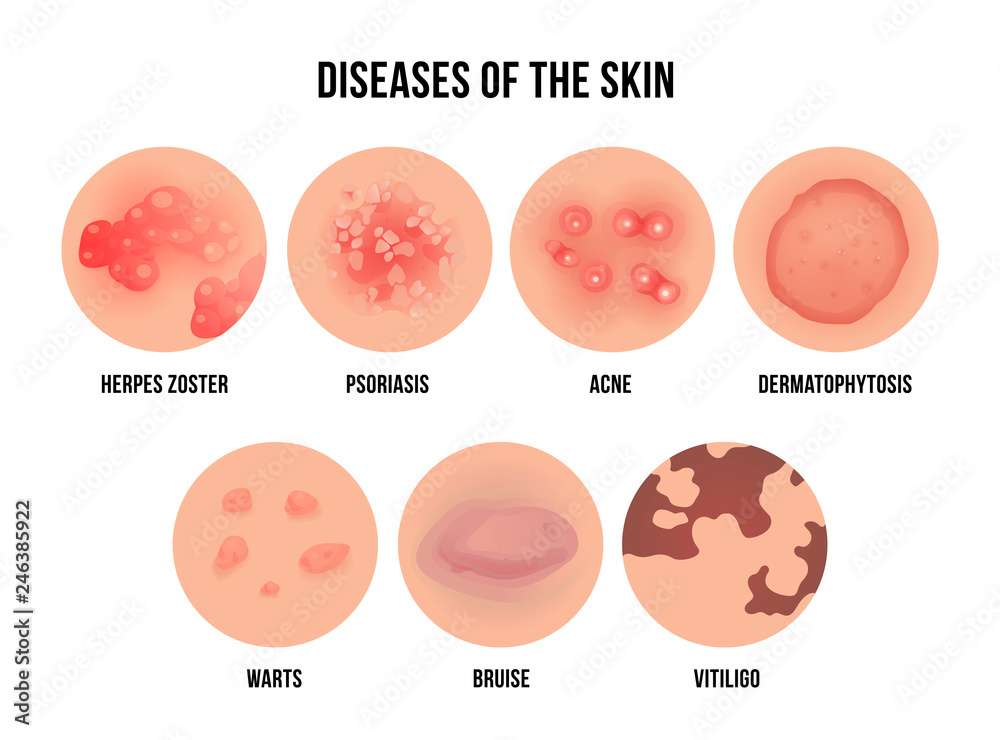
A comprehensive health check-up provides valuable information about your general well-being. It assists in identifying potential illnesses before symptoms appear so that interventions can be initiated early.
- Screens Included: Blood tests, urine analysis, BMI monitoring, blood pressure measurement along with general physical examination help assess organ functions thoroughly.
- Purpose: To detect chronic diseases like diabetes or kidney disorders early on when treatment tends to be more successful.
- Nutritional & Lifestyle Counseling: Based on findings personalized advice may be offered to improve diet habits or encourage physical activities necessary for maintaining good health.
Cultivating habit of annual or periodic check-ups empowers individuals towards healthier living through proactive healthcare management.
SEASONAL INFLUENZA VACCINATION
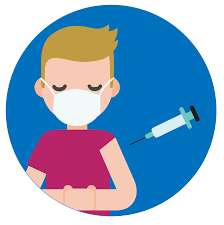
The flu is a contagious respiratory illness caused by influenza viruses that circulate globally each year. Vaccination is the most effective way to prevent influenza infection and its complications.
- Importance: Annual immunization helps protect against circulating strains expected during the flu season.
- Candidates for Vaccination: Everyone above six months of age should receive it annually; particularly important for older adults or those with chronic conditions.
- Efficacy: While not 100% preventative, it reduces severity of illness and decreases hospitalizations significantly.
- Side Effects: Minor reactions may occur such as soreness at injection site or mild fever but are generally transient and safe.
Aiming for timely vaccination each year strengthens community immunity against seasonal outbreaks.
DIABETES SCREENING AND PREVENTION

Diabetes is a chronic illness characterized by elevated blood glucose levels resulting from impaired insulin function. Early detection through screening plays an important role in prevention and management.
- Risk Factors: Family history, obesity, sedentary lifestyle, and age increase the likelihood of developing type 2 diabetes.
- Screening Methods: Blood tests such as fasting blood sugar and HbA1c provide insight into glucose control status.
- Lifestyle Interventions: Balanced diet rich in fiber, physical activity, weight management, and avoiding tobacco reduce disease onset risk.
- Treatment Strategies: For diagnosed cases, medications alongside lifestyle changes help maintain optimal glucose levels.
Routine screening especially for adults with risk factors supports early diagnosis and better long-term outcomes.
HYPERTENSION MANAGEMENT
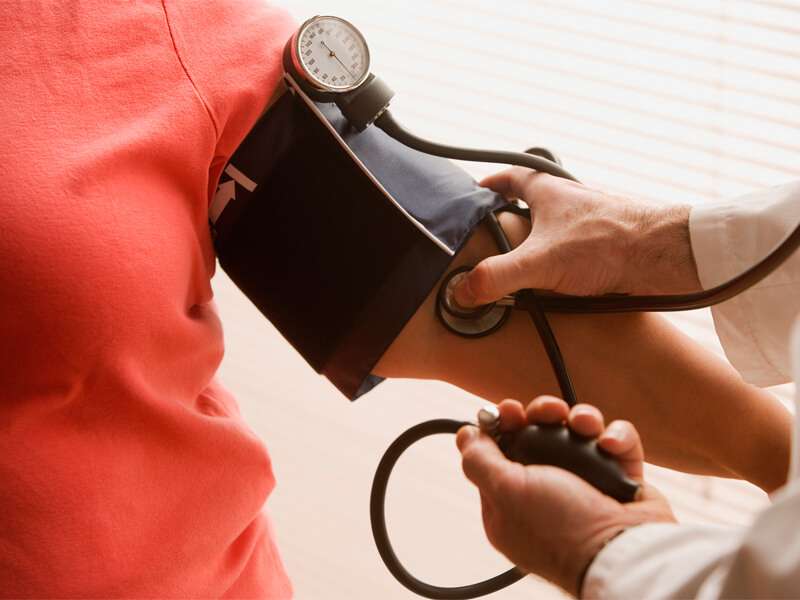
High blood pressure, or hypertension, is a common condition that can lead to serious health issues if left unchecked. Understanding and managing blood pressure is key to maintaining overall cardiovascular health.
- Causes and Symptoms: Often called the 'silent killer,' it may show no symptoms but can be triggered by lifestyle factors such as diet, stress, and genetics.
- Diagnosis: Regular blood pressure measurements are essential, using sphygmomanometers at clinics or home monitoring devices.
- Treatment: Lifestyle modifications like reduced salt intake, regular exercise, and medications prescribed by a physician help control levels effectively.
- Ongoing Management: Continuous monitoring and follow-up visits ensure the treatment remains effective and adjust therapy as needed.
By actively managing hypertension, patients can significantly reduce their risk of heart disease and stroke.