
Dr Chikara Specia
About Me
Dr Chikara Specia
MBBS
General Physician
10 Years Experience
Biography
My Clinic
OPD Hours
| Monday | Morning | 10:00 AM | - | 02:00 PM |
| Evening | 06:00 PM | - | 09:00 PM | |
| Tuesday | Morning | 10:00 AM | - | 02:00 PM |
| Evening | 06:00 PM | - | 09:00 PM | |
| Wednesday | Morning | 10:00 AM | - | 02:00 PM |
| Evening | 06:00 PM | - | 09:00 PM | |
| Thursday | Morning | 10:00 AM | - | 02:00 PM |
| Evening | 06:00 PM | - | 09:00 PM | |
| Friday | Morning | 10:00 AM | - | 02:00 PM |
| Evening | 06:00 PM | - | 09:00 PM | |
| Saturday | Morning | 10:00 AM | - | 02:00 PM |
| Evening | 06:00 PM | - | 09:00 PM | |
| Sunday | Morning | 10:00 AM | - | 02:00 PM |
| Evening | 06:00 PM | - | 09:00 PM |
Treatments
Specialised care and treatments offered
CHILDHOOD VIRAL FEVER MANAGEMENT
A viral fever in children is a frequent reason for consultation with diverse causes ranging from mild infections to more serious conditions requiring observation. Understanding appropriate care is crucial for parents and caregivers alike.
- < li >< strong > Identifying Features: < / strong > Sudden onset of elevated temperature accompanied by lethargy or irritability; other signs depend on specific virus involved.< / li >< li >< strong > Diagnosis: < / strong > Primarily clinical assessment supplemented by laboratory tests if necessary to rule out bacterial infections.< / li >< li >< strong > Treatment Principles: < / strong > Mainly supportive with fever reducers such as paracetamol or ibuprofen; ensure hydration and rest.< / li >< li >< strong > Prognosis: < / strong > Most cases resolve without complications within a week though close monitoring is advised especially in younger children.< / li >< p > Prompt recognition alongside appropriate symptomatic treatment lessens child discomfort while preventing unnecessary antibiotic use commonly seen with viral illnesses.< / p >
IRON DEFICIENCY ANEMIA TREATMENT

This form of anemia arises from inadequate iron levels leading to decreased red blood cell production. Early detection aids in reversing the condition before serious symptoms develop.
- Causative Factors & Symptoms: Causes include poor diet, chronic blood loss; symptoms might be fatigue, pallor, shortness of breath under exertion.
- Evidential Diagnosis: Blood tests showing low hemoglobin concentration plus reduced serum ferritin confirm iron deficiency anemia diagnosis.
- Therapeutic Measures: Oral iron supplementation combined with addressing underlying causes such as gastrointestinal bleeding or menstrual losses are vital steps toward recovery.
Nutritional counseling complements therapy ensuring adequate dietary intake while monitoring response regularly through blood work accelerates symptom improvement safely and effectively.
OSTEOARTHRITIS SUPPORT

A degenerative joint disease frequently seen in adults leading to joint pain and stiffness. Early recognition can help manage symptoms effectively to maintain mobility and function.
- Main Symptoms: Joint pain worsened by activity, morning stiffness lasting under 30 minutes, swelling around affected joints like knees or hands.
- Diagnosis Methods: Physical examination supported by X-rays showing cartilage loss or bone spur formation confirms osteoarthritis presence.
- Treatment Options Include: Exercise programs focused on strengthening muscles around joints; analgesics including acetaminophen or NSAIDs for pain relief; weight optimization is beneficial too.
A tailored management plan helps minimize discomfort while preserving joint movement throughout daily activities in affected individuals.
ACUTE UPPER RESPIRATORY INFECTIONS
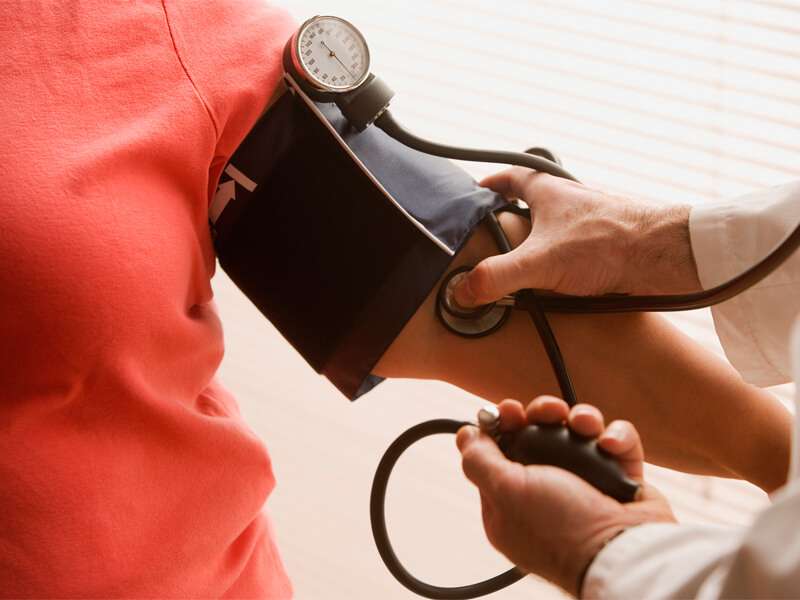
An upper respiratory infection (URI) commonly presents as a viral illness affecting the nose, throat, and sinuses. It usually resolves on its own but requires supportive care for comfort.
- Common Symptoms: Sneezing, sore throat, nasal congestion, cough, sometimes mild fever.
- Cause & Diagnosis: Primarily caused by viruses; diagnosis made clinically based on symptoms without need for extensive tests unless complications arise.
- Treatment: Symptom relief via rest, hydration, over-the-counter pain relievers; antibiotics not indicated unless bacterial superinfection occurs.
- Expected Course: Symptoms generally improve within 7-10 days; watch for worsening signs that necessitate medical intervention.
Caring measures focus on easing discomfort while supporting natural recovery from this widespread illness in all age groups.
TYPE 2 DIABETES MELLITUS CARE
This chronic metabolic disorder affects how the body processes blood sugar. Proper management can prevent many serious complications associated with diabetes.
- Symptoms & Causes: Increased thirst, frequent urination, fatigue; caused by insulin resistance often linked to obesity and genetics.
- Diagnostic Tests: Blood glucose testing including fasting glucose and HbA1c levels help confirm diagnosis.
- Treatment Strategies: Includes dietary changes, physical activity, oral hypoglycemic agents or insulin therapy where appropriate.
- Lifestyle Considerations: Weight control and regular monitoring are essential for effective disease control and prevention of organ damage.
An individualized approach ensures better quality of life and slows progression of this condition when properly managed.
HYPERTENSION MANAGEMENT
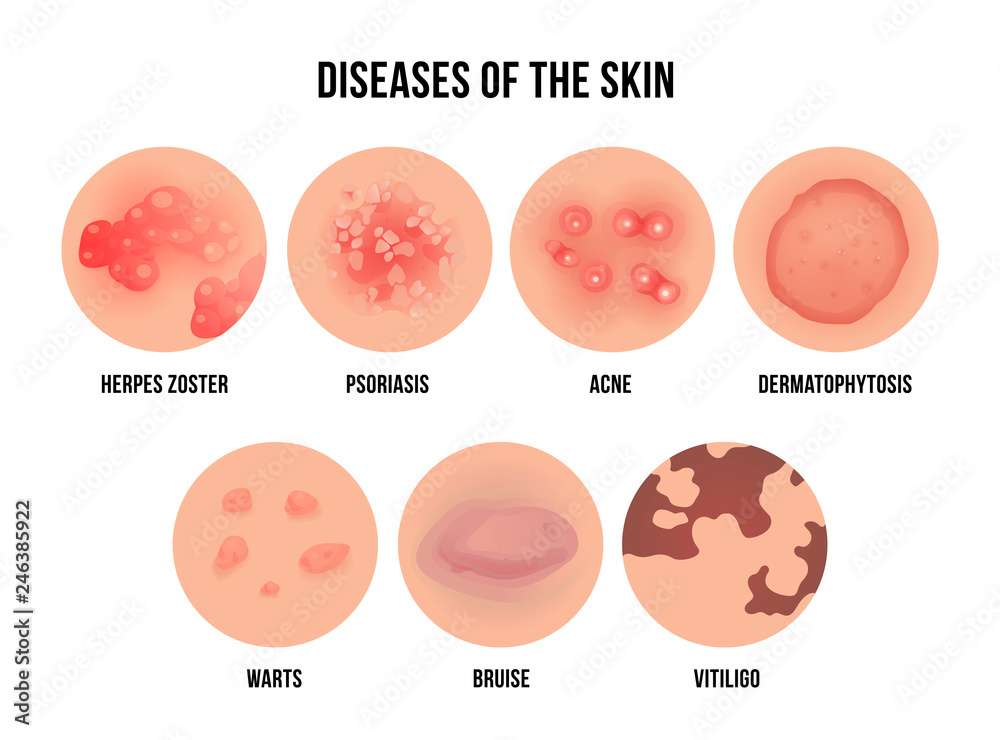
High blood pressure, or hypertension, is a common condition that can lead to serious health issues if left untreated. It often develops silently and requires regular monitoring to prevent complications.
- Symptoms & Causes: Often asymptomatic; may be linked to genetics, diet high in salt, obesity, stress, and sedentary lifestyle.
- Diagnosis: Confirmed through repeated blood pressure measurements over time using a sphygmomanometer.
- Treatment Options: Lifestyle modifications including diet and exercise, along with medications such as ACE inhibitors or beta-blockers when necessary.
- Management Goals: Maintain blood pressure within the target range to reduce risk of heart attack, stroke, and kidney disease.
Consistent follow-up and adherence to treatment are vital for controlling hypertension effectively and improving long-term health outcomes.