
Dr Chaxwesh Agra
About Me
Dr Chaxwesh Agra
MBBS
General Physician
10 Years Experience
Biography
My Clinic
OPD Hours
| Monday | Morning | 10:00 AM | - | 02:00 PM |
| Evening | 06:00 PM | - | 09:00 PM | |
| Tuesday | Morning | 10:00 AM | - | 02:00 PM |
| Evening | 06:00 PM | - | 09:00 PM | |
| Wednesday | Morning | 10:00 AM | - | 02:00 PM |
| Evening | 06:00 PM | - | 09:00 PM | |
| Thursday | Morning | 10:00 AM | - | 02:00 PM |
| Evening | 06:00 PM | - | 09:00 PM | |
| Friday | Morning | 10:00 AM | - | 02:00 PM |
| Evening | 06:00 PM | - | 09:00 PM | |
| Saturday | Morning | 10:00 AM | - | 02:00 PM |
| Evening | 06:00 PM | - | 09:00 PM | |
| Sunday | Morning | 10:00 AM | - | 02:00 PM |
| Evening | 06:00 PM | - | 09:00 PM |
Treatments
Specialised care and treatments offered
LIPID PROFILE SCREENING
Lipid profile testing measures cholesterol types in the blood which are critical indicators of cardiovascular health risks. Early detection aids prevention strategies effectively.
- Why screening matters :Abnormal lipid levels increase chances of artery blockage causing heart attacks or strokes without obvious warning signs .
- Components measured :Includes total cholesterol , LDL (bad cholesterol) , HDL (good cholesterol) , triglycerides assessed from a fasting blood sample .
- Management recommendations :Lifestyle adjustments such as diet rich in fiber , physical activity coupled with medications like statins for high-risk patients help normalize lipids .
- Periodicity :Regular follow-ups every 6-12 months monitor progress ensuring long term cardiovascular protection .
Lipid panel evaluations constitute a fundamental part of preventive medicine enabling informed decisions about heart health maintenance over time.
THYROID FUNCTION TESTING

The thyroid gland regulates metabolism through hormone production. Dysfunction can lead to varied problems requiring diagnostic clarity before treatment starts.
- Symptoms indicating dysfunction:Fatigue , weight change , mood fluctuations , or temperature intolerance suggest possible thyroid imbalance .
- Tests performed :Blood tests measuring TSH , Free T3 , Free T4 levels determine hormone status accurately .
- Treatment considerations :Hypothyroidism often needs daily levothyroxine replacement ; hyperthyroidism might involve medication , radioactive iodine , or surgery .
- Follow-up protocol :Regular testing ensures doses remain optimal avoiding side effects .
Prompt recognition via lab assessments allows tailored therapies restoring hormonal balance enhancing overall well-being .
RESPIRATORY INFECTION DIAGNOSIS

Lung infections like bronchitis or pneumonia are common reasons for consultation in general practice. Accurate diagnosis ensures appropriate therapy and recovery.
- Causative factors & symptoms: Viral or bacterial infections can cause cough, fever, chest pain,and difficulty breathing among other symptoms.
- Assessment methods: Physical examination combined with chest X-rays and sputum analysis assist in distinguishing the infection type and severity.
- Treatment plans: Mild viral cases may resolve with supportive care while bacterial infections often require antibiotics along with hydration rest strategies.
- If persistent symptoms appear:This may necessitate further investigations like CT scans or pulmonary function tests to rule out other conditions.
Caught early through thorough clinical evaluation these respiratory infections typically respond well to timely interventions promoting full recovery.
ANEMIA INVESTIGATION
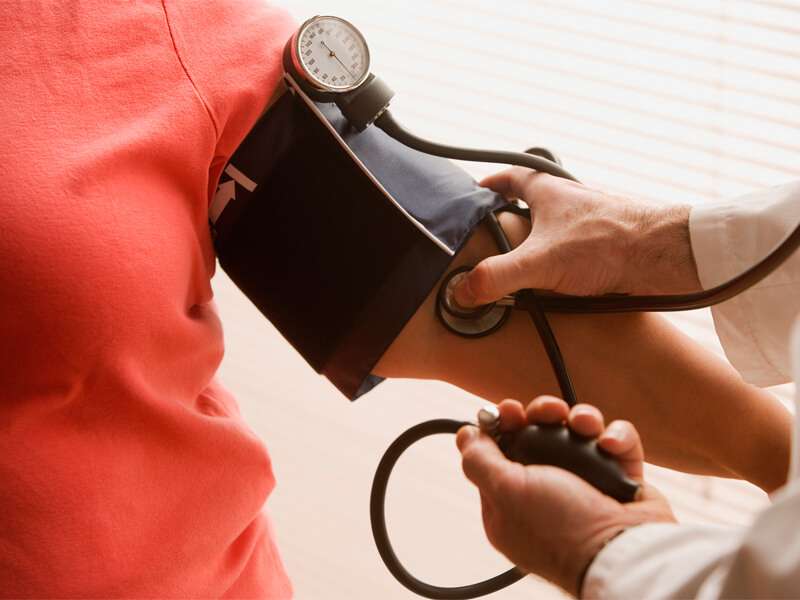
Anemia occurs when there is a deficiency in red blood cells or hemoglobin, leading to tiredness and weakness. Identifying its cause is essential for proper treatment.
- Signs and symptoms: Fatigue, pallor, shortness of breath, or dizziness may indicate anemia; it may stem from nutritional deficits or chronic diseases.
- Diagnostic work-up: Complete blood count (CBC), iron studies, vitamin B12 levels, and sometimes bone marrow examination help determine the cause of anemia.
- Treatment approaches: Addressing the underlying cause with iron supplements, vitamin replacement, or managing chronic conditions is critical for recovery.
- Outlook: Most types of anemia respond well to treatment once diagnosed early through proper testing.
If you feel persistently fatigued or weak, evaluation for anemia can guide effective management strategies tailored to your needs.
DIABETES MELLITUS EVALUATION

Diabetes mellitus is a metabolic disorder characterized by high blood sugar levels due to insulin issues. Early diagnosis is key to preventing long-term damage.
- Symptoms and causes: Excessive thirst, frequent urination, fatigue, and unexplained weight loss may signal diabetes; risk factors include family history and obesity.
- Diagnostic tests: Blood glucose tests such as fasting plasma glucose, HbA1c levels, or oral glucose tolerance test diagnose diabetes accurately.
- Treatment strategies: Management includes lifestyle changes like diet and exercise combined with oral hypoglycemic agents or insulin therapy if necessary.
- Ongoing care: Regular monitoring helps prevent complications like neuropathy or cardiovascular disease by maintaining optimal glucose control.
A proactive approach to diabetes screening ensures timely treatment that safeguards health long-term.
HYPERTENSION MANAGEMENT

High blood pressure, or hypertension, is a common condition that increases the risk of heart disease and stroke. Managing it effectively is crucial for overall health and longevity.
- Causes and symptoms: Often called the "silent killer," hypertension usually has no symptoms but can be influenced by genetics, diet, stress, and lifestyle factors.
- Diagnosis: It is diagnosed through repeated blood pressure measurements taken at rest during clinic visits or with home monitoring devices.
- Treatment options: Lifestyle changes such as diet modification, regular exercise, reducing salt intake, and medications like ACE inhibitors or beta-blockers are commonly used.
- Monitoring: Regular follow-up appointments help track blood pressure control and adjust treatments as needed.
Early identification and consistent management of high blood pressure can significantly reduce complications and improve quality of life.