
Dr Chavan Piles
About Me
Dr Chavan Piles
MBBS
Emergency Physician
10 Years Experience
Biography
My Clinic
OPD Hours
| Monday | Morning | 10:00 AM | - | 02:00 PM |
| Evening | 06:00 PM | - | 09:00 PM | |
| Tuesday | Morning | 10:00 AM | - | 02:00 PM |
| Evening | 06:00 PM | - | 09:00 PM | |
| Wednesday | Morning | 10:00 AM | - | 02:00 PM |
| Evening | 06:00 PM | - | 09:00 PM | |
| Thursday | Morning | 10:00 AM | - | 02:00 PM |
| Evening | 06:00 PM | - | 09:00 PM | |
| Friday | Morning | 10:00 AM | - | 02:00 PM |
| Evening | 06:00 PM | - | 09:00 PM | |
| Saturday | Morning | 10:00 AM | - | 02:00 PM |
| Evening | 06:00 PM | - | 09:00 PM | |
| Sunday | Morning | 10:00 AM | - | 02:00 PM |
| Evening | 06:00 PM | - | 09:00 PM |
Treatments
Specialised care and treatments offered
BURN CARE
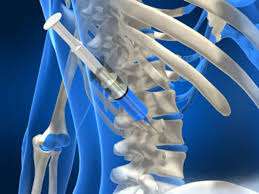
Burns are injuries caused by heat, chemicals or electricity that vary in severity from minor irritations to major trauma requiring extensive treatment. Understanding burn classifications helps ensure proper care and healing methods are implemented promptly!
- Symptoms include redness, blistersand pain varying accordingto type(categorized into first-degree through third-degree burns)
- Diagnosis relies upon identifyingthe burn mechanismand assessingit’s depth alongwith patient historypertainingto incidentdetails...
- Treatment rangesfrom basicfirst aidfor minorburns (coolingthe area),to advancedwoundcarefor moderatetosevereinjuriesincludingpossible skin graftsdependingon levelof damage...
- Recovery may involve long-term follow-upsor rehabilitation strategiesespeciallyfor severe burnsthat impact functionalityof affectedareas...
Adequate educationaboutstaying safearoundpotentialburnhazardscan help reduceincidencesandimprovesafety overall...
SEPSIS TREATMENT
Sepsis is a life-threatening response to infection that demands swift medical intervention. Recognizing sepsis early contributes significantly to patient outcomes and survival rates.
- The condition manifests with symptoms such as fever, increased heart rate, confusion, or extreme pain throughout the body....... The diagnosis relies on clinical evaluations along with laboratory tests confirming infection sources...... Effective treatment usually involves intravenous antibiotics along with fluid resuscitation strategies...... Ongoing monitoring within intensive care may also be necessary depending on severity....... , A comprehensive approach focuses on treating both the underlying cause and supporting organ functions ... ).
ANAPHYLAXIS MANAGEMENT

Anaphylaxis is a severe allergic reaction that requires immediate medical attention. Being informed about its signs and treatments can be lifesaving for those at risk.
- The hallmark symptoms include swelling of the throat, difficulty breathing, rapid heartbeat, itching, or hives appearing suddenly after exposure to allergens.
- Anaphylaxis is diagnosed based on symptom presentation following allergen exposure; prompt identification is key in emergency settings.
- The first-line treatment typically involves the administration of epinephrine via an auto-injector as soon as symptoms are recognized.
- Additional therapies may include antihistamines or corticosteroids after initial stabilization has been achieved.
If you have known allergies, having an action plan for potential anaphylactic reactions is crucial for your safety and health management in emergencies.
TRAUMA ASSESSMENT

Trauma assessment is a critical process used to evaluate injuries resulting from accidents or violence. Knowing what to expect during this evaluation can help individuals feel more prepared in emergencies.
- The initial step often includes a focused physical examination to identify any serious conditions or complications.
- A thorough history-taking helps understand the context of the injury.
- Diverse diagnostic tools such as x-rays and CT scans may be utilized for detail-oriented assessments of internal damages.
- Treatment strategies vary widely from simple wound care to complex surgical procedures based on injury severity.
- Follow-up care is essential for monitoring healing and addressing any ongoing issues related to trauma.
A meticulous trauma assessment ensures that patients receive appropriate care swiftly, optimizing their recovery potential post-injury.
STROKE MANAGEMENT

A stroke occurs when blood flow to the brain is disrupted, resulting in brain damage. Quick recognition of stroke symptoms can make a significant difference in outcomes.
- Common symptoms include sudden numbness, confusion, difficulty speaking, or severe headache.
- Diagnosis involves neurological examinations and imaging techniques like CT or MRI scans to assess damage.
- Treatment options depend on the type of stroke: ischemic strokes may require clot-busting medications while hemorrhagic strokes need surgical intervention.
- The timing of treatment is crucial; rapid response can minimize long-term disabilities.
- Rehabilitation therapy plays a key role in recovery after a stroke event.
A timely approach to stroke management can lead to better recovery chances and improved quality of life for patients affected by this condition.
CARDIAC ARREST

Cardiac arrest is a critical condition that occurs when the heart unexpectedly stops beating. This can lead to loss of consciousness and, if not treated promptly, can be fatal. Understanding this condition is vital for everyone.
- Symptoms include sudden collapse, no pulse, and unresponsiveness.
- Diagnosis is made through immediate physical assessment and monitoring of vital signs.
- Treatment typically involves CPR (cardiopulmonary resuscitation) and advanced cardiac life support measures.
- The outcome depends on how quickly intervention occurs; early action greatly increases survival rates.
- Post-resuscitation care may involve further medical treatments and lifestyle modifications.
Immediate response to cardiac arrest can save lives, making awareness and preparedness essential in emergency situations.