
Dr Chand
About Me
Dr Chand
MBBS
General Physician
10 Years Experience
Biography
My Clinic
OPD Hours
| Monday | Morning | 10:00 AM | - | 02:00 PM |
| Evening | 06:00 PM | - | 09:00 PM | |
| Tuesday | Morning | 10:00 AM | - | 02:00 PM |
| Evening | 06:00 PM | - | 09:00 PM | |
| Wednesday | Morning | 10:00 AM | - | 02:00 PM |
| Evening | 06:00 PM | - | 09:00 PM | |
| Thursday | Morning | 10:00 AM | - | 02:00 PM |
| Evening | 06:00 PM | - | 09:00 PM | |
| Friday | Morning | 10:00 AM | - | 02:00 PM |
| Evening | 06:00 PM | - | 09:00 PM | |
| Saturday | Morning | 10:00 AM | - | 02:00 PM |
| Evening | 06:00 PM | - | 09:00 PM | |
| Sunday | Morning | 10:00 AM | - | 02:00 PM |
| Evening | 06:00 PM | - | 09:00 PM |
Treatments
Specialised care and treatments offered
ANEMIA
Anemia occurs when there aren’t enough healthy red blood cells (RBCs) in circulation leading towards decreased oxygen delivery throughout body tissues affecting energy levels negatively. Understanding anemia aids identification early on!
.- Symptoms: Fatigue & weakness stand out as prime indicators along possibly pale skin indicating low hemoglobin concentrations which merit further investigation including dietary assessments too.
- Diagnosis: Blood tests that determine complete blood counts provide insights into RBC status helping clarify diagnoses promptly!
- Treatment/Management: Often entails iron supplementation coupled together with dietary revisions focusing upon incorporating rich sources from greens/meat options encouraging production improvements overtime noticed distinctly along positive outcomes following adherence closely prescribed treatments!.
- What To Expect : Routine follow ups paired alongside nutritional counseling adjusts prognosis favorably addressing underlying causative mechanisms overtime promoting swift recoveries everywhere possible!.
Comprehensive knowledge supports resilience fighting against anemia successfully among diverse populations today requiring ongoing collaboration enhancing future health perspectives effectively indeed!
GASTROESOPHAGEAL REFLUX DISEASE (GERD)

This chronic digestive condition occurs when stomach acid frequently flows back into the esophagus resulting in irritation. Education about GERD aids individuals in managing symptoms effectively
.HYPERLIPIDEMIA

Hyperlipidemia refers to elevated levels of lipids in the blood and can contribute significantly to cardiovascular disease if not managed properly. Awareness about this condition enables proactive care.
- Symptoms: Generally asymptomatic initially; however, high cholesterol can lead to serious conditions such as heart attack or stroke over time without intervention.
- Diagnosis: A lipid panel test measures cholesterol types; total cholesterol above 200 mg/dL suggests hyperlipidemia that requires evaluation and management strategies.
- Treatment/Management: Aggressive lifestyle changes including dietary adjustments favoring low saturated fats alongside conventional medications like statins play vital roles in treatment plans.
- What to Expect: Regular follow-up testing helps monitor lipid levels effectively while modifying treatments based on individual needs progressively enhances health outcomes long-term.
The goal is always achieving lipid levels within optimal ranges through consistent patient engagement in care approaches!
ASTHMA
Asthma is a chronic respiratory condition that causes inflammation and narrowing of the airways. Understanding asthma is essential for control and prevention of attacks.
- Symptoms: Asthmatic episodes can manifest as wheezing, coughing especially at night or during physical activity, chest tightness, and shortness of breath.
- Diagnosis: Diagnosis typically involves a thorough history review along with lung function tests like spirometry to assess airflow obstruction.
- Treatment/Management: Patients may use inhalers for immediate relief during an attack or daily medications like corticosteroids for long-term control. Identifying triggers (e.g., allergens) is also essential in management strategies.
- What to Expect: Regularly visiting your healthcare provider ensures adequate asthma control reduces emergency visits significantly over time.
Sustained management helps individuals enjoy an active lifestyle despite having asthma.
DIABETES MELLITUS

Diabetes mellitus is a metabolic disorder characterized by elevated blood sugar levels due to insulin production issues. It’s vital for patients to understand this condition for effective management.
- Symptoms: Common signs include excessive thirst, frequent urination, fatigue, and blurred vision.
- Diagnosis: Blood tests that measure glucose levels help identify diabetes. A fasting blood sugar level over 126 mg/dL confirms the diagnosis.
- Treatment/Management: Management includes lifestyle modifications such as balanced nutrition, exercise, and monitoring blood sugar levels regularly. Insulin therapy or oral medications might be necessary depending on the type of diabetes.
- What to Expect: With diligent management and regular check-ups, many individuals lead healthy lives while controlling their diabetes effectively.
A comprehensive approach significantly improves long-term outcomes for those living with diabetes.
HYPERTENSION

Hypertension, or high blood pressure, is a chronic condition affecting millions worldwide. It often goes unnoticed due to its lack of symptoms, yet it can lead to severe health issues if left untreated.
- Symptoms: Most individuals with hypertension may not exhibit noticeable symptoms; however, some may experience headaches, shortness of breath, or nosebleeds.
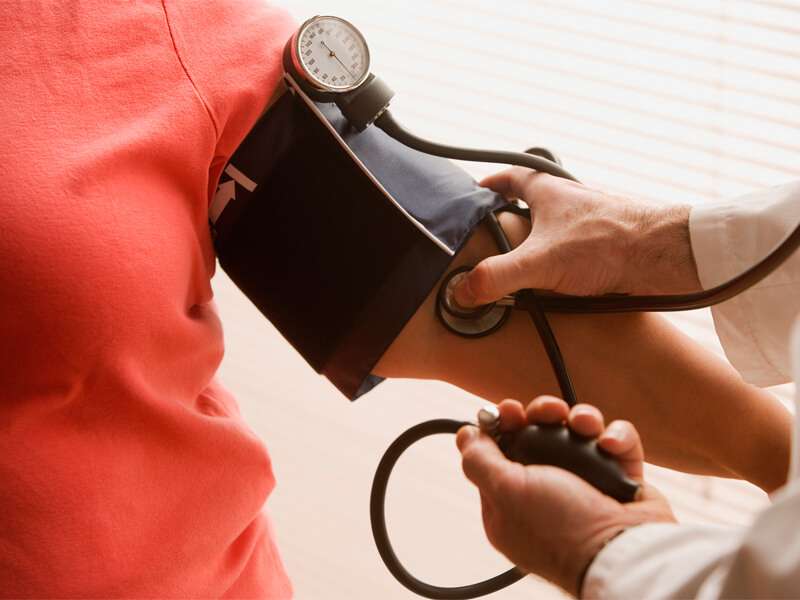
- Diagnosis: Blood pressure is measured using a sphygmomanometer. Consistent readings above 130/80 mmHg are indicative of hypertension.
- Treatment/Management: Lifestyle changes such as maintaining a healthy diet, exercising regularly, and reducing salt intake are essential. Medications like diuretics and ACE inhibitors may also be prescribed.
- What to Expect: Regular monitoring and follow-up appointments are crucial in managing hypertension, ensuring that treatment plans remain effective over time.
Effective management can significantly reduce the risk of complications such as heart disease and stroke.