
Dr Chaitanya Vemu
About Me
Dr Chaitanya Vemu
MBBS
Ophthalmologist
15 Years Experience
Biography
My Clinic
OPD Hours
| Monday | Morning | 09:00 AM | ||
| Evening | 09:00 AM | |||
| Tuesday | Morning | 09:00 AM | ||
| Evening | 09:00 PM | |||
| Wednesday | Morning | 09:00 AM | ||
| Evening | 09:00 PM | |||
| Thursday | Morning | 09:00 AM | ||
| Evening | 09:00 PM | |||
| Friday | Morning | 09:00 AM | ||
| Evening | 09:00 PM |
Treatments
Specialised care and treatments offered
PEDIATRIC EYE CARE
Pediatric eye care encompasses diagnosing and treating various visual disorders in children including amblyopia ('lazy eye') and strabismus ('crossed eyes'). Early intervention is critical for effective management during developmental years.
.- Symptoms < : Parents might notice squinting or difficulty focusing from their child during tasks like reading. <
- Diagnosis < : Comprehensive pediatric examinations utilize special techniques tailored for young patients ensuring accurate assessment.
- Treatment Options < : Strategies may involve corrective glasses or patching therapy which encourages use of the weaker eye. <
- Importance of Early Detection < : Regular check-ups should begin by age 3 or earlier if any issues arise—this helps identify potential problems swiftly before they hinder learning capabilities.
Proactive engagement ensures children develop healthy habits regarding eyesight while addressing concerns promptly.
VISION CORRECTION SURGERY (LASIK)

AGE-RELATED MACULAR DEGENERATION (AMD)

Age-related macular degeneration (AMD) affects central vision due to damage to the macula, a small area on the retina. It's prevalent among older adults and can vary significantly in severity between individuals.
- Symptoms: Early signs include distorted vision or difficulties recognizing faces; in advanced stages, central vision may be lost entirely.
- Diagnosis: AMD is diagnosed through various tests including visual acuity assessments and optical coherence tomography (OCT).
- Treatment Options: While there's no cure for AMD, treatments such as anti-VEGF injections can help slow its progression and maintain quality of life.
Engaging with an ophthalmologist about AMD symptoms early on increases chances for effective management of this age-related condition.
DIABETIC RETINOPATHY TREATMENT

Diabetic retinopathy is a complication of diabetes that affects the blood vessels in the retina. It can lead to blindness if not detected early and managed properly.
- Symptoms: Blurred vision, floaters, and sudden vision loss are common signs to watch for as diabetes progresses.
- Diagnosis: A comprehensive dilated eye exam allows for detailed inspection of retinal health by an ophthalmologist.
- Treatment Options: Treatments may include laser therapy to seal leaking blood vessels or injections of medications into the eye to reduce inflammation.
- A Healthy Lifestyle: Managing blood sugar levels effectively is crucial in preventing progression of this condition.
Regular monitoring and prompt treatment can prevent severe visual impairment in diabetic patients.
GLAUCOMA MANAGEMENT
Glaucoma is a group of eye diseases that damage the optic nerve, often associated with increased pressure in the eye. If left untreated, it can lead to irreversible vision loss.
- Symptoms: Initially asymptomatic, advanced glaucoma may cause peripheral vision loss or tunnel vision.
- Diagnosis: Regular eye exams with tonometry are essential for measuring intraocular pressure and assessing optic nerve health.
- Treatment Options: Treatment usually involves medications like eye drops to lower pressure; surgical options may be considered if medication fails.
- Ongoing Monitoring: Patients need regular follow-ups to monitor their condition and adjust treatment as necessary.
Early detection through routine screenings can help manage glaucoma effectively and preserve vision.
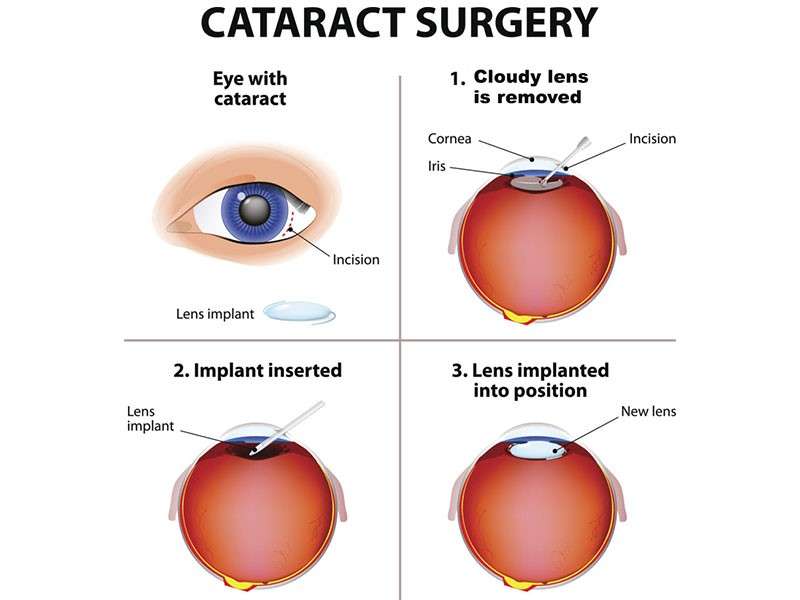
CATARACT SURGERY
Cataracts are a common eye condition that occurs when the lens of the eye becomes cloudy, leading to blurred vision. This condition often develops gradually and can significantly affect daily activities.
- Symptoms: These include difficulty seeing at night, sensitivity to light, and changes in color perception.
- Diagnosis: An eye examination is conducted using specialized equipment to assess the lens clarity and determine the extent of cataract formation.
- Treatment Options: The primary treatment for cataracts is surgical removal of the cloudy lens, often replaced with an artificial intraocular lens (IOL).
- Recovery: Post-surgery, patients can expect improved vision typically within a few days, although complete healing takes several weeks.
Cataract surgery is one of the most common and successful procedures performed worldwide, restoring sight effectively.