
Dr Chahars Clini
About Me
Dr Chahars Clini
MD
Pulmonologist
Biography
My Clinic
OPD Hours
| Monday | Morning | 10:00 AM | - | 02:00 PM |
| Evening | 06:00 PM | - | 09:00 PM | |
| Tuesday | Morning | 10:00 AM | - | 02:00 PM |
| Evening | 06:00 PM | - | 09:00 PM | |
| Wednesday | Morning | 10:00 AM | - | 02:00 PM |
| Evening | 06:00 PM | - | 09:00 PM | |
| Thursday | Morning | 10:00 AM | - | 02:00 PM |
| Evening | 06:00 PM | - | 09:00 PM | |
| Friday | Morning | 10:00 AM | - | 02:00 PM |
| Evening | 06:00 PM | - | 09:00 PM | |
| Saturday | Morning | 10:00 AM | - | 02:00 PM |
| Evening | 06:00 PM | - | 09:00 PM | |
| Sunday | Morning | 10:00 AM | - | 02:00 PM |
| Evening | 06:00 PM | - | 09:00 PM |
Treatments
Specialised care and treatments offered
VASCULAR DISEASES

Vascular Diseases encompass a range of conditions affecting the blood vessels, including peripheral artery disease (PAD), carotid artery disease, and venous disorders. Effective management aims to alleviate symptoms, prevent complications, and improve quality of life.
🩺 Lifestyle Modifications
Adopting a heart-healthy lifestyle is foundational in managing vascular diseases:
- Smoking Cessation: Quitting smoking is crucial, as tobacco use accelerates atherosclerosis and increases the risk of cardiovascular events .prathimahospitals.com
- Dietary Changes: Emphasizing fruits, vegetables, whole grains, and lean proteins while reducing saturated fats helps manage cholesterol levels and blood pressure.
- Regular Exercise: Engaging in physical activity improves circulation and overall vascular health.
- Weight Management: Maintaining a healthy weight reduces strain on the cardiovascular system.
💊 Medications
Pharmacological interventions are tailored to individual needs:
- Antiplatelet Agents: Medications like aspirin or clopidogrel help prevent blood clots, reducing the risk of heart attacks and strokes .
- Statins: These drugs lower cholesterol levels, stabilizing plaques and preventing vascular events.
- Antihypertensives: Controlling blood pressure with medications such as ACE inhibitors or beta-blockers is essential in managing vascular health.
- Diabetes Management: Maintaining blood sugar levels within target ranges reduces the risk of complications in diabetic patients with vascular issues.
🥠Surgical and Interventional Procedures
In advanced cases, surgical interventions may be necessary:
- Angioplasty and Stenting: A balloon is used to open narrowed arteries, and a stent may be placed to keep the artery open .
- Atherectomy: Plaque is removed from the arteries to restore blood flow.
- Bypass Surgery: A graft is used to reroute blood around blocked arteries.
- Endarterectomy: Surgical removal of fatty deposits from artery walls.
- Thrombolytic Therapy: Clot-dissolving drugs are administered to treat acute blockages
🩹 Wound Care and Compression Therapy
For conditions like venous ulcers or PAD-related wounds:
- Wound Care: Proper cleaning and dressing of ulcers promote healing.
- Compression Therapy: Using compression stockings helps reduce swelling and improve blood flow in venous diseases .
Conclusion
Managing vascular diseases requires a multifaceted approach, including lifestyle modifications, medications, and, when necessary, surgical interventions. Early detection and consistent management are key to preventing complications and enhancing quality of life. Regular check-ups and collaboration with healthcare providers are essential components of effective vascular disease management.
KIDNEY DISEASES

Kidney Diseases encompass a spectrum of conditions affecting kidney function, ranging from acute kidney injury (AKI) to chronic kidney disease (CKD). Effective management is crucial to prevent progression to end-stage renal disease (ESRD).
🩺 Treatment Approaches
1. Lifestyle Modifications
- Dietary Adjustments: Implementing a renal diet that limits sodium, phosphorus, potassium, and protein intake can alleviate kidney workload. This dietary approach helps manage electrolyte imbalances and reduces fluid retention .
- Hydration: Maintaining adequate fluid intake is essential, but in certain cases, fluid restrictions may be necessary to prevent fluid overload. Monitoring urine output and adjusting fluid intake accordingly is vital .
- Physical Activity: Engaging in regular exercise helps control blood pressure and improves overall health, which is beneficial for kidney function .
2. Pharmacological Interventions
- Blood Pressure Management: Angiotensin-converting enzyme (ACE) inhibitors and angiotensin II receptor blockers (ARBs) are commonly prescribed to control blood pressure and reduce proteinuria, thereby slowing CKD progression .
- Anemia Treatment: Erythropoiesis-stimulating agents (ESAs) and iron supplements are used to address anemia associated with CKD .
- Cholesterol Control: Statins may be recommended to manage elevated cholesterol levels, reducing cardiovascular risks in CKD patients .
3. Renal Replacement Therapy (RRT)
- Dialysis: Hemodialysis and peritoneal dialysis are employed when kidneys can no longer effectively filter waste products. Hemodialysis uses a machine to filter blood, while peritoneal dialysis uses the lining of the abdomen .
- Kidney Transplantation: A kidney transplant involves replacing a diseased kidney with a healthy one from a donor. This option is considered for eligible patients with ESRD .
4. Emerging Therapies
- Daprodustat: An oral medication approved for treating anemia due to CKD, offering an alternative to injectable ESAs .
Conclusion
Managing kidney disease requires a multifaceted approach, including lifestyle modifications, pharmacological treatments, and, when necessary, renal replacement therapies. Early detection and consistent management are key to preserving kidney function and improving patient outcomes. Regular monitoring and collaboration with healthcare providers are essential components of effective kidney disease management.
BREAST AND THYROID DISEASES

Breast Diseases
1. Breast Cancer
The most common malignancy among women globally, breast cancer originates in the breast cells, often presenting as lumps, changes in breast shape, or skin dimpling. Risk factors include age, family history, hormonal exposure, and lifestyle choices. Treatment modalities encompass surgery, chemotherapy, radiation therapy, and hormone therapy, tailored to cancer type and stage.
2. Benign Breast Conditions
These include fibroadenomas, cysts, and fibrocystic changes, which are non-cancerous but may cause discomfort or anxiety. Management often involves monitoring, aspiration of cysts, or surgical removal if necessary.
🩺 Thyroid Diseases
1. Hypothyroidism
Characterized by insufficient thyroid hormone production, leading to symptoms like fatigue, weight gain, and depression. Common causes include Hashimoto's thyroiditis and iodine deficiency. Treatment typically involves thyroid hormone replacement therapy.
2. Hyperthyroidism
An overactive thyroid produces excess hormones, causing symptoms such as weight loss, rapid heartbeat, and anxiety. Graves' disease is a common cause. Management options include antithyroid medications, radioactive iodine therapy, or surgery.
3. Thyroid Cancer
Although rare, thyroid cancer can occur, with papillary carcinoma being the most common type. Treatment usually involves surgical removal of the thyroid gland, followed by radioactive iodine therapy.
🔗 Interconnections Between Breast and Thyroid Diseases
Recent studies suggest a potential link between thyroid disorders and an increased risk of breast cancer. For instance, hyperthyroidism and autoimmune thyroid diseases like Hashimoto's thyroiditis have been associated with a higher incidence of breast cancer. Conversely, hypothyroidism may be linked to a reduced risk, though findings are inconsistent and require further investigation.
Additionally, patients with thyroid cancer may have an elevated risk of developing breast cancer, particularly if they have a family history of cancer or have undergone radiation therapy.
Conclusion
Understanding the relationship between breast and thyroid diseases is crucial for early detection and management. Patients with thyroid disorders should be monitored for breast health, and vice versa, to ensure comprehensive care. Regular screenings and consultations with healthcare providers are recommended for individuals at risk.
HEMORRHOIDS

Hemorrhoids
Conservative Measures:
- Dietary Modifications: Increase fiber intake to 25–35 grams per day to soften stools and reduce straining.
- Hydration: Drink ample fluids to prevent constipation.
- Sitz Baths: Soak the anal area in warm water for 10–15 minutes several times daily to alleviate pain and swelling.
- Topical Treatments: Use over-the-counter creams or ointments containing hydrocortisone or witch hazel for symptom relief.
Medical Interventions:
- Rubber Band Ligation: A small rubber band is placed around the base of the hemorrhoid to cut off blood supply, causing it to shrink and fall off.
- Sclerotherapy: Injection of a chemical solution into the hemorrhoid to shrink it.
- Infrared Coagulation: Use of infrared light to cause scarring and shrinkage of the hemorrhoid.
Surgical Options:
- Hemorrhoidectomy: Surgical removal of large or prolapsed hemorrhoids.
- Stapled Hemorrhoidopexy: Stapling technique to remove hemorrhoidal tissue and reposition prolapsed hemorrhoids.
🩺 Anal Fissures Treatment
Conservative Measures:
- Fiber-Rich Diet: Consume 18–30 grams of fiber daily to prevent constipation.
- Hydration: Adequate fluid intake to soften stools.
- Sitz Baths: Warm water soaks to relax the anal sphincter and promote healing.
- Topical Analgesics: Use of lidocaine ointment for pain relief.
Medical Treatments:
- Nitroglycerin Ointment: Applied to the anal area to increase blood flow and reduce sphincter pressure, aiding healing.
- Botox Injections: Botulinum toxin injection to relax the anal sphincter muscle.
- Calcium Channel Blockers: Topical application of nifedipine or diltiazem to relax the anal sphincter.
Surgical Intervention:
- Lateral Internal Sphincterotomy (LIS): Surgical procedure involving a small incision in the anal sphincter to relieve pressure and promote healing.
Both conditions can often be managed with lifestyle modifications and medical treatments. However, persistent or severe cases may require surgical intervention. Consultation with a healthcare provider is recommended for proper diagnosis and treatment planning.
GASTRO-INTESTINAL DISEASE

Gastrointestinal (GI) diseases encompass a wide range of conditions affecting the digestive system, including the esophagus, stomach, intestines, liver, and pancreas. These disorders can significantly impact daily life, causing symptoms such as abdominal pain, bloating, diarrhea, constipation, and nausea.
Common Gastrointestinal Disorders
- Gastroesophageal Reflux Disease (GERD): Characterized by chronic acid reflux, GERD leads to heartburn, chest pain, and regurgitation. It results from the backflow of stomach contents into the esophagus due to a weakened lower esophageal sphincter. Management includes lifestyle modifications, medications like proton pump inhibitors, and, in severe cases, surgery.
- Irritable Bowel Syndrome (IBS): A functional GI disorder causing symptoms like abdominal cramps, bloating, and alternating diarrhea and constipation. The exact cause remains unknown, but stress and diet can trigger symptoms. Treatment focuses on dietary changes, stress management, and medications to alleviate symptoms.
- Inflammatory Bowel Disease (IBD): Includes Crohn's disease and ulcerative colitis, conditions characterized by chronic inflammation of the gastrointestinal tract. Symptoms encompass persistent diarrhea, abdominal pain, fatigue, and weight loss. Treatment may involve anti-inflammatory drugs, immune system suppressors, and sometimes surgery.
- Peptic Ulcer Disease: Caused by the erosion of the stomach lining or the upper part of the small intestine, leading to sores or ulcers. Symptoms include stomach pain, bloating, and indigestion. Treatment typically involves antibiotics for H. pylori infection and medications to reduce stomach acid.
- Celiac Disease: An autoimmune disorder where ingestion of gluten damages the small intestine lining, leading to malabsorption of nutrients. Symptoms vary widely and can include diarrhea, weight loss, and fatigue. The primary treatment is a strict, lifelong gluten-free diet.
Diagnosis and Treatment
Diagnosis of GI diseases often involves a combination of medical history review, physical examination, laboratory tests, imaging studies, and endoscopic procedures. Treatment strategies are tailored to the specific condition and may include dietary modifications, medications, and in some cases, surgical interventions.
Conclusion
Gastrointestinal diseases are prevalent and can range from mild to severe. Early diagnosis and appropriate management are crucial for improving quality of life and preventing complications. If you experience persistent digestive symptoms, consult a healthcare professional for evaluation and personalized treatment.
HERNIA

A Hernia occurs when an internal organ or tissue bulges through a weak spot in the abdominal wall, often causing pain or discomfort. While some small, asymptomatic hernias may be managed conservatively, surgical intervention is typically recommended for symptomatic or complicated cases.
Surgical Options
- Open Hernia Repair: This traditional method involves making a single incision at the hernia site to reposition the protruding tissue and reinforce the abdominal wall, usually with a synthetic mesh. It's effective for various hernia types but may require a longer recovery period.
- Laparoscopic (Minimally Invasive) Repair: Utilizing several small incisions, this technique involves inserting a camera and instruments to repair the hernia. It offers benefits like reduced pain, shorter hospital stays, and quicker recovery. Laparoscopic repair is often preferred for bilateral or recurrent hernias.
- Robotic-Assisted Surgery: An advanced form of laparoscopic surgery, robotic-assisted procedures provide enhanced precision and control. The surgeon operates robotic arms while viewing a 3D magnified image, improving outcomes, especially in complex or large hernias.
Conservative Management
For small, asymptomatic hernias, a "watchful waiting" approach may be advised. This involves monitoring the hernia for any changes or worsening symptoms over time. Lifestyle modifications, such as avoiding heavy lifting and maintaining a healthy weight, can help manage symptoms.
Conclusion
The choice of treatment depends on the hernia's type, size, and location and the patient's overall health. Consulting with a healthcare professional is essential to determine the most appropriate treatment plan.
UROLOGY

Urology is a medical specialty focusing on the diagnosis and treatment of conditions affecting the urinary tract and male reproductive organs. Urologists manage a wide range of disorders, including urinary tract infections (UTIs), kidney stones, benign prostatic hyperplasia (BPH), prostate cancer, erectile dysfunction, and incontinence.
Common Urological Treatments
- Medications: Alpha-blockers and 5-alpha-reductase inhibitors are commonly prescribed to manage BPH symptoms by relaxing prostate muscles and reducing gland size.
- Minimally Invasive Procedures:
- Transurethral Microwave Thermotherapy (TUMT): Utilizes microwave energy to shrink prostate tissue, alleviating BPH symptoms.
- Prostatic Artery Embolization (PAE): A non-surgical technique that blocks blood flow to the prostate, leading to its shrinkage.
- Surgical Interventions:
- Transurethral Resection of the Prostate (TURP): A standard procedure for BPH involving the removal of prostate tissue through the urethra.
- Prostatectomy: Surgical removal of all or part of the prostate gland, often performed for prostate cancer.
- Neuromodulation Therapy:
- Percutaneous Tibial Nerve Stimulation (PTNS): A minimally invasive procedure that stimulates nerves controlling the bladder, effective for overactive bladder symptoms.
GENERAL SURGERY

General surgery is a medical specialty that focuses on surgical treatment of conditions affecting the abdomen, digestive tract, skin, soft tissues, and endocrine system. It includes both elective and emergency procedures, often performed using advanced techniques such as laparoscopy (keyhole surgery) and robotic-assisted systems.
Common General Surgical Treatments:
- Appendectomy: Surgical removal of an inflamed appendix, commonly due to appendicitis. This is often an emergency procedure.
- Cholecystectomy: Removal of the gallbladder, typically performed to treat gallstones or gallbladder infection.
- Hernia Repair: Fixes abdominal wall hernias using sutures or surgical mesh, done through open or laparoscopic techniques.
- Bowel Resection: Removal of a diseased part of the intestine, often necessary for cancer, Crohn’s disease, or obstruction.
- Mastectomy: Surgical removal of one or both breasts, usually as a treatment for breast cancer.
- Thyroidectomy: Partial or total removal of the thyroid gland to treat thyroid disorders or cancer.
Modern Techniques:
Minimally invasive surgery, such as laparoscopic and robotic surgery, uses small incisions, reducing recovery time, pain, and hospital stay. These approaches are increasingly preferred due to lower risk of complications.
Postoperative Care:
Recovery varies by procedure but usually includes pain management, wound care, mobility exercises, and follow-up visits. Lifestyle changes and medications may be recommended to support long-term healing.
STONE DISEASES

Stone diseases, particularly kidney stones, require treatment based on the type, size, and location of the stone, as well as the severity of symptoms. Small stones often pass naturally through the urinary tract with increased fluid intake. Drinking 2–3 liters of water daily helps dilute the urine, making it easier for small stones to pass. Pain can be managed with over-the-counter medications like ibuprofen or prescribed painkillers.
For larger or symptomatic stones, medical intervention may be necessary. Medications such as alpha-blockers (e.g., tamsulosin) can relax the muscles in the ureter, aiding stone passage. Uric acid stones may dissolve with urine alkalinization using potassium citrate or sodium bicarbonate.
PAEDIATRIC PAIN MEDICINE SPECIALIST

INTERVENTIONAL PAIN MANAGEMENT
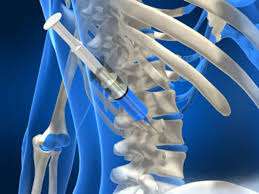
SPINAL PAIN MANAGEMENT
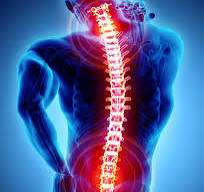
LIFESTYLE RECOMMENDATIONS

Lifestyle recommendations can vary widely depending on the individual's specific health conditions, age, gender, and other factors.
However, some general recommendations for a healthier lifestyle include:
1. Balanced Diet: Maintain a balanced diet rich in fruits, vegetables, whole grains, lean protein, and healthy fats. Limit intake of processed foods, saturated and trans fats, sugar, and salt.
2. Physical Activity: Engage in regular physical activity. Adults should aim for at least 150 minutes of moderate-intensity aerobic activity or 75 minutes of vigorous-intensity activity, or an equivalent combination each week. Strength training exercises for all major muscle groups should be done at least twice a week.
3. Adequate Sleep: Ensure you get enough quality sleep. While the exact amount can vary, most adults need between 7 to 9 hours per night.
4. Hydration: Drink plenty of fluids daily, especially water. The amount may vary depending on age, sex, physical activity level, and overall health, but a general guideline is at least 8 cups of water a day.
5. Regular Check-ups: Regular health screenings can help detect potential health issues before they become serious.
6. Stress Management: Use stress management techniques, such as meditation, deep breathing, yoga, or other forms of mindfulness practices. Make time for hobbies and activities you enjoy.
7. Avoid Harmful Behaviors: Avoid smoking and limit alcohol consumption. The negative health effects of smoking are well-documented, and while moderate alcohol consumption may have some health benefits, excessive drinking can lead to serious health problems.
8. Healthy Body Weight: Maintain a healthy body weight. Overweight and obesity increase the risk for a number of health problems, including heart disease, diabetes, and certain cancers.
Remember, these are general recommendations, and individual needs may vary. Always consult with a healthcare provider or a registered dietitian before making significant changes to your diet, exercise, or general lifestyle, especially if you have chronic conditions or specific dietary needs.
PHYSICAL THERAPY OR PHYSIOTHERAPY
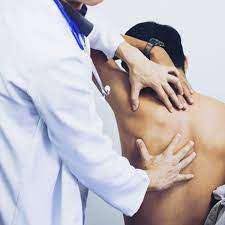
Physical therapy, also known as physiotherapy, is a healthcare profession dedicated to the assessment, maintenance, and restoration of the physical function and performance of the body. It is performed by physical therapists (PTs), who are experts in the movement and function of the body.
Physical therapy can help people of all ages who have medical conditions, illnesses, or injuries that limit their regular ability to move and function. The primary goal of physical therapy is to make daily tasks and activities easier and to make individuals more independent. It can also prevent further injury and improve overall health and well-being.
Physical therapy involves several key components:
1. Evaluation and Assessment: A physical therapist will begin by evaluating the patient's condition and understanding their health history. This could involve checking the patient's flexibility, strength, balance, coordination, posture, breathing, and motor function.
2. Setting Goals: Based on the evaluation, the PT will set personalized goals for the patient. These goals depend on the individual's specific needs and desired outcomes.
3. Treatment Plan: A treatment plan is designed to meet the patient's unique needs and can involve a variety of interventions, including exercises for flexibility, strength, and balance, manual therapy techniques, and the use of equipment like heat, ice, ultrasound, or electrical stimulation.
4. Education: Education is an integral part of physical therapy. PTs educate patients about their conditions, what the treatment will involve, and how they can manage their condition or injury at home.
Physical therapy can help manage a wide variety of conditions, including but not limited to: -
- Musculoskeletal conditions such as back pain, osteoarthritis, and fractures.
- Neurological conditions like stroke, spinal cord injuries, Parkinson's disease, and multiple sclerosis.
- Cardiovascular conditions like heart disease and rehabilitation after a heart attack.
- Pulmonary conditions such as chronic obstructive pulmonary disease (COPD) and cystic fibrosis.
- Pediatric conditions like developmental delays, cerebral palsy, and muscular dystrophy.
MEDICATION
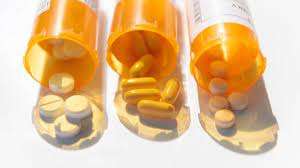
The medication a rheumatologist may prescribe depends on the specific condition being treated, its severity, and the patient's overall health.
Below are some commonly prescribed medications in rheumatology:
1. Nonsteroidal Anti-Inflammatory Drugs (NSAIDs): NSAIDs like ibuprofen and naproxen can be used to reduce inflammation and alleviate pain in conditions such as rheumatoid arthritis and gout.
2. Corticosteroids: Drugs like prednisone can be used to reduce inflammation and suppress the immune system. They can be used in a variety of rheumatic conditions, including rheumatoid arthritis, lupus, and vasculitis.
3. Disease-Modifying Antirheumatic Drugs (DMARDs): These medications are often used in diseases like rheumatoid arthritis and lupus. They work by suppressing the body's immune response, thereby preventing it from attacking the joints. Methotrexate is a commonly used DMARD.
4. Biologics: These are a type of DMARD that target specific parts of the immune system. They can be used in conditions like rheumatoid arthritis, psoriatic arthritis, and ankylosing spondylitis. Examples include etanercept (Enbrel), infliximab (Remicade), and adalimumab (Humira).
5. Gout Medications: Drugs like colchicine, allopurinol, and febuxostat are used to manage gout. They work by either reducing inflammation during a gout attack or by lowering uric acid levels to prevent attacks.
6. Osteoporosis Medications: Drugs like bisphosphonates (alendronate, risedronate), calcitonin, and denosumab are used to slow bone loss and reduce the risk of fractures in osteoporosis.
These are just examples of the medications a rheumatologist may prescribe. It's important for patients to discuss the potential benefits, risks, and side effects of these medications with their doctor.
The rheumatologist will tailor the treatment plan to the individual patient's condition and needs.
Lastly, it's important to remember that medications are only one aspect of managing rheumatic conditions. Lifestyle changes, like regular exercise, a healthy diet, adequate sleep, stress management, and physical therapy, are also crucial parts of most treatment plans.
INTERVENTIONAL PROCEDURES

Interventional procedures are medical procedures that are performed using minimally invasive techniques to diagnose or treat various conditions. These procedures often involve the use of specialized instruments, imaging guidance, and small incisions or catheter insertions. They are typically performed by interventional radiologists, cardiologists, or other specialized physicians. Common interventional procedures include angiography and angioplasty, where angiography involves injecting a contrast dye into blood vessels to visualize their structure and identify abnormalities, while angioplasty is used to widen narrowed or blocked blood vessels using a balloon catheter to restore blood flow. Stent placement is another commonly performed procedure in which small mesh tubes are inserted into narrowed or blocked blood vessels to keep them open, particularly in patients with coronary artery disease, peripheral artery disease, and other vascular conditions. Biopsy procedures involve removing a small sample of tissue for examination and diagnosis, often using imaging guidance such as ultrasound or CT scans for precise targeting. Radiofrequency ablation utilizes heat generated by radiofrequency energy to destroy abnormal or cancerous cells and is frequently used for tumors of the liver, kidney, lung, or bone. Embolization is a technique used to block or reduce blood flow to specific areas by injecting embolic agents into blood vessels, making it effective for treating bleeding, tumors, and vascular malformations. Vertebroplasty and kyphoplasty are specialized procedures designed to stabilize fractured vertebrae by injecting bone cement into the affected spinal bones, thereby providing support and pain relief. Chemoembolization and radioembolization deliver chemotherapy drugs or radioactive particles directly into tumors or the blood vessels supplying them, offering targeted treatment for liver cancer and certain metastatic tumors. Drainage procedures are performed to remove fluid or pus from body cavities or abscesses, often with the assistance of image-guided catheter placement. Additionally, ablation procedures for arrhythmias, including radiofrequency ablation and cryoablation, are used to treat abnormal heart rhythms by selectively destroying abnormal electrical pathways within the heart.
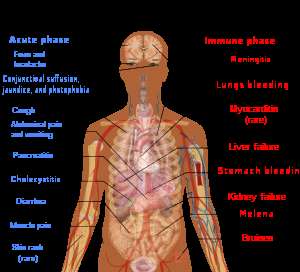
LEPTOSPIROSIS
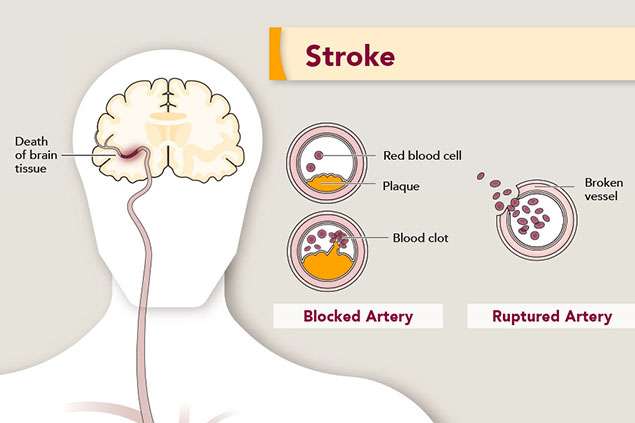
STROKE
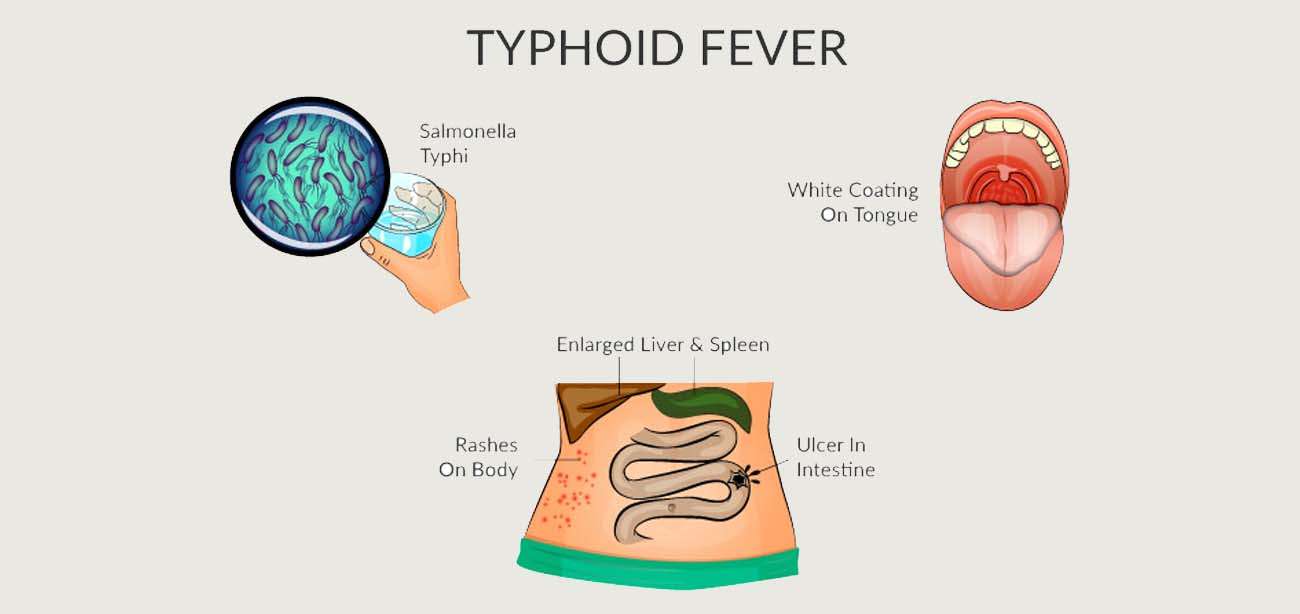
TYPHOID
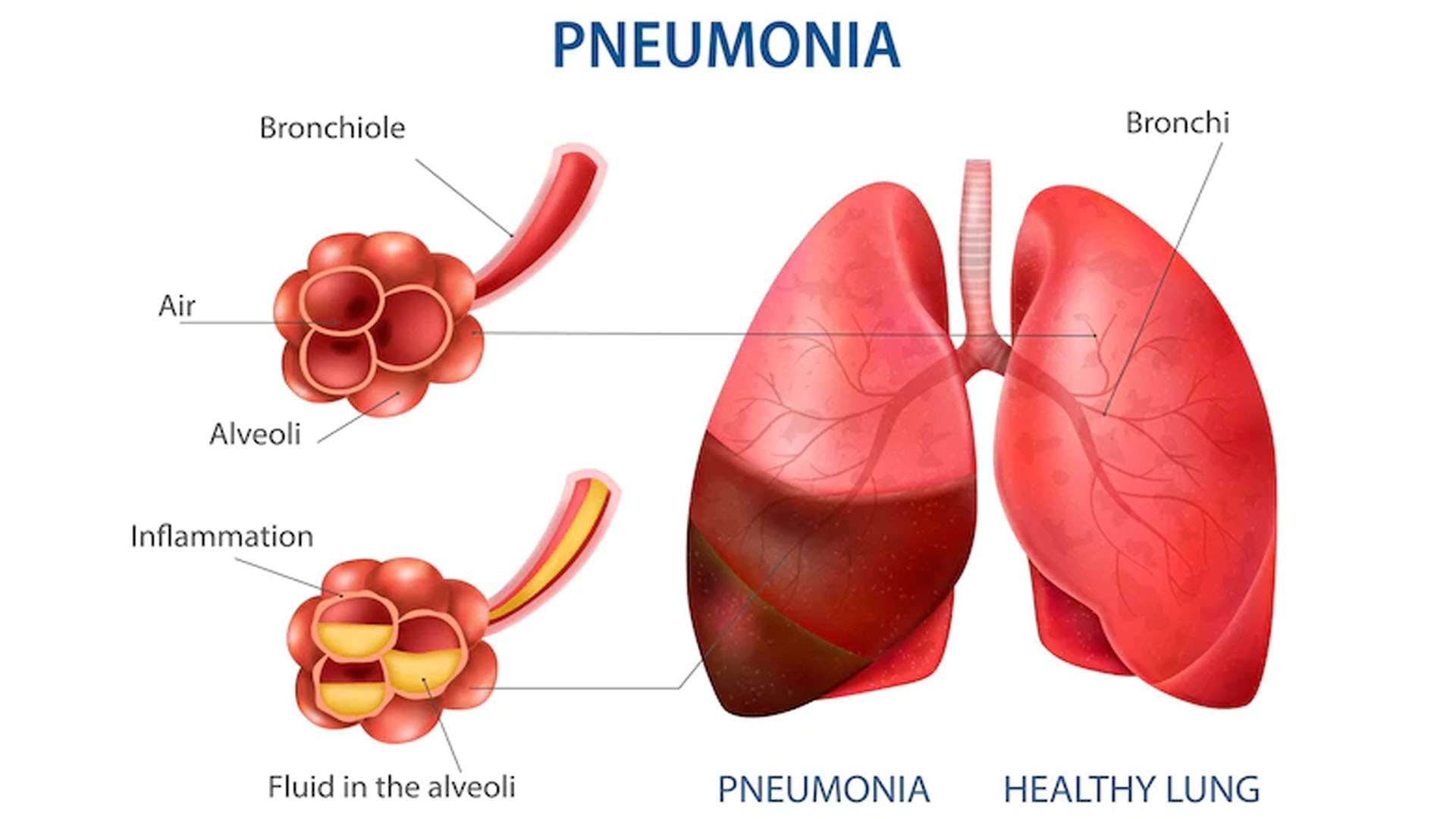
PNEUMONIA
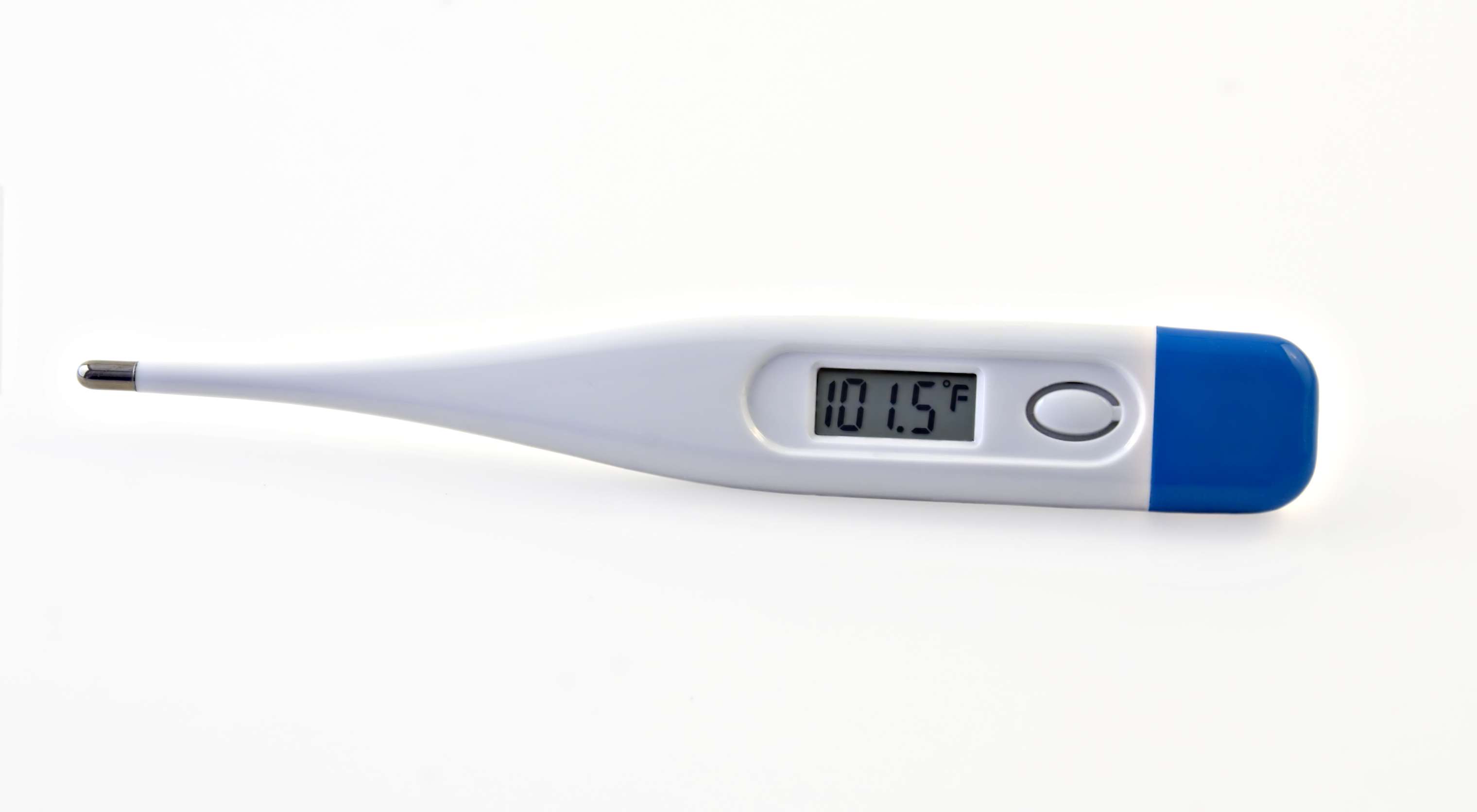
FEVER
HYPNOTICS

used to induce and maintain sleep.
ANTIPSYCHOTIC MEDICATIONS
used to treat psychotic symptoms (delusions and hallucinations), schizophrenia, bipolar disorder.
ANTIDEPRESSANTS
used to treat depression, panic disorder, PTSD, anxiety, obsessive-compulsive disorder, borderline personality disorder and eating disorders.
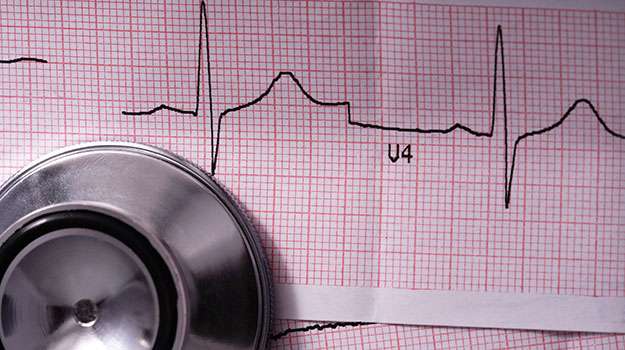
CARDIOLOGY

PSYCHIATRY
RHEUMATOLOGY
VASCULAR
KERATOCONUS

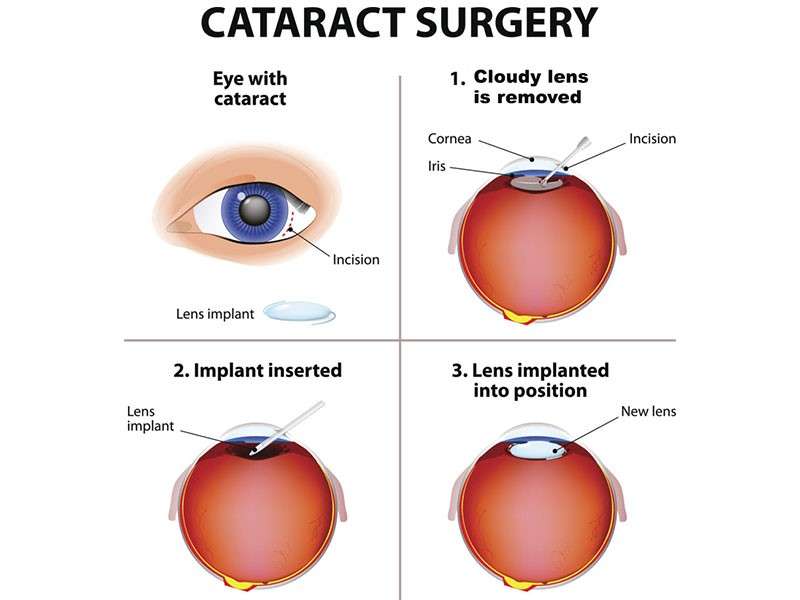
CATARACT
CORNEA

LASIK / REFRACTIVE SURGERIES

PEDIATRICIAN & NICU
SURGERY & TRAUMA CARE
ORTHOPAEDIC
CARDIOLOGY