
Dr C G Agrawal
About Me
Dr C G Agrawal
MD
Diabetologist
10 Years Experience
Biography
My Clinic
OPD Hours
| Monday | Morning | 10:00 AM | - | 02:00 PM |
| Evening | 06:00 PM | - | 09:00 PM | |
| Tuesday | Morning | 10:00 AM | - | 02:00 PM |
| Evening | 06:00 PM | - | 09:00 PM | |
| Wednesday | Morning | 10:00 AM | - | 02:00 PM |
| Evening | 06:00 PM | - | 09:00 PM | |
| Thursday | Morning | 10:00 AM | - | 02:00 PM |
| Evening | 06:00 PM | - | 09:00 PM | |
| Friday | Morning | 10:00 AM | - | 02:00 PM |
| Evening | 06:00 PM | - | 09:00 PM | |
| Saturday | Morning | 10:00 AM | - | 02:00 PM |
| Evening | 06:00 PM | - | 09:00 PM | |
| Sunday | Morning | 10:00 AM | - | 02:00 PM |
| Evening | 06:00 PM | - | 09:00 PM |
Treatments
Specialised care and treatments offered
GESTATIONAL DIABETES CARE

This condition affects pregnant women who have never had diabetes before but experience high blood sugar levels during pregnancy. Effective management ensures both maternal health & fetal development remain optimal during this critical period.
- Common signs, like increased thirst or frequent urination require prompt attention upon diagnosis.
- Tests routinely performed include screening between 24-28 weeks gestation using oral glucose tolerance tests (OGTT)
- Dietary instruction combined with exercising routinely helps regulate weight gain & maintain glycemic targets while avoiding medication initially except when necessary
Proactive engagement promotes safe delivery outcomes for expectant mothers navigating gestational diabetes throughout pregnancy safely!
INSULIN THERAPY
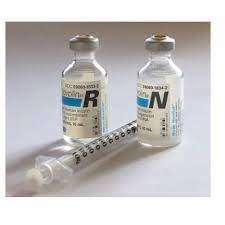
Insulin therapy is often essential for people living with type 1 diabetes or advanced type 2 diabetes when other treatments fail to maintain glucose levels adequately. Understanding how insulin works helps patients manage their condition better.
- Insulin may be administered through injections or an insulin pump depending on patient preference and medical advice.
- Monitoring blood sugar regularly allows patients to adjust dosages accurately based on food intake and physical activity.
- Diabetes education programs teach self-management skills related to insulin administration,dietary choices, exercise, etc., ensuring better outcomes overall.
Therapy aims not only at normalizing metabolism but also preventing complications related closely tied with long-term elevated sugars.
DIABETIC RETINOPATHY
This eye condition arises from prolonged high blood sugar levels affecting the retina. Diabetic retinopathy can lead to severe vision impairment if left untreated rather than merely an inconvenience over time.
- Initial stages might not present noticeable symptoms; regular eye examinations are crucial for early detection.
- Dilated eye tests are standard diagnostic tools used in identifying changes in retinal health due to diabetes.
- Treatment options range from laser therapy to injectables aimed at reducing vision loss risk if retinopathy develops substantially.
- The management plan will include regular ophthalmologic evaluations alongside comprehensive diabetic care protocols
Early intervention plays a pivotal role in preserving eyesight among individuals with diabetes affected by retinopathy.
GLYCEMIC CONTROL STRATEGIES
Effective glycemic control is vital for managing diabetes successfully. This involves maintaining optimal blood glucose levels through various methods tailored to individual needs.
- Several factors can influence glycemic levels, including diet, activity level, medication adherence, and stress management.
- The diagnostic process often includes regular blood glucose monitoring using glucometers or continuous glucose monitors (CGMs).
- A combination of dietary adjustments, physical activity regimens, and medications are standard treatment options.
- Patiens should expect ongoing support in adjusting their strategies based on daily variations in their glucose levels.
- Coping tactics for high-stress situations are also essential components of comprehensive care plans.
A personalized approach is necessary for achieving stable glycemic control over time.
DIABETIC NEUROPATHY
Diabetic neuropathy refers to nerve damage due to high blood sugar levels over time. It can affect various parts of the body, leading to discomfort or loss of sensation.
- The condition may manifest as tingling, pain, or numbness typically in the hands and feet.
- Diagnosis involves thorough physical examinations and sometimes nerve conduction studies.
- Treatment options include pain relief medications, blood sugar control strategies, and lifestyle modifications.
- A multidisciplinary approach may also include physical therapy to improve mobility and reduce symptoms.
- Proper management can slow the progression of symptoms and enhance overall function.
Understanding diabetic neuropathy is key to preventing serious complications associated with this condition.
TYPE 2 DIABETES MANAGEMENT
Type 2 diabetes is a common metabolic disorder characterized by insulin resistance and high blood glucose levels. It often develops gradually and can be managed effectively with a proper approach.
- Symptoms may include increased thirst, frequent urination, fatigue, and blurred vision.
- The condition is diagnosed through blood tests such as the fasting plasma glucose test or HbA1c test.
- Management typically involves lifestyle modifications like diet and exercise, along with medications such as metformin.
- Regular monitoring of blood sugar levels is crucial to prevent complications.
- Patients can expect individualized care plans that address their specific health needs.
A comprehensive management plan can significantly enhance quality of life for those living with Type 2 diabetes.