
Dr Bushan Ashok B
About Me
Dr Bushan Ashok B
MBBS
General Physician
10 Years Experience
Biography
My Clinic
OPD Hours
| Monday | Morning | 10:00 AM | - | 02:00 PM |
| Evening | 06:00 PM | - | 09:00 PM | |
| Tuesday | Morning | 10:00 AM | - | 02:00 PM |
| Evening | 06:00 PM | - | 09:00 PM | |
| Wednesday | Morning | 10:00 AM | - | 02:00 PM |
| Evening | 06:00 PM | - | 09:00 PM | |
| Thursday | Morning | 10:00 AM | - | 02:00 PM |
| Evening | 06:00 PM | - | 09:00 PM | |
| Friday | Morning | 10:00 AM | - | 02:00 PM |
| Evening | 06:00 PM | - | 09:00 PM | |
| Saturday | Morning | 10:00 AM | - | 02:00 PM |
| Evening | 06:00 PM | - | 09:00 PM | |
| Sunday | Morning | 10:00 AM | - | 02:00 PM |
| Evening | 06:00 PM | - | 09:00 PM |
Treatments
Specialised care and treatments offered
ACUTE GASTROENTERITIS
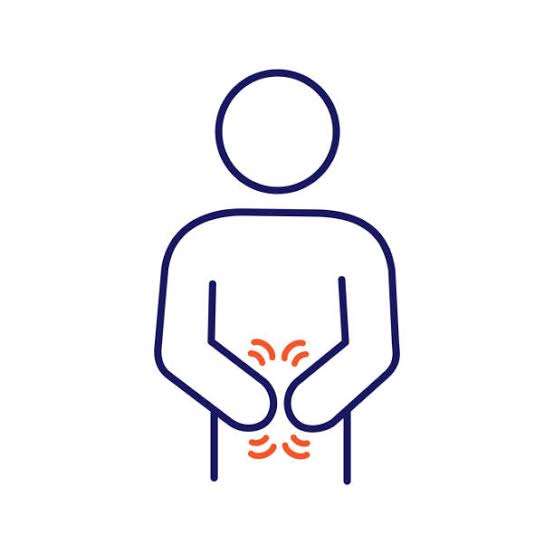
This condition involves sudden inflammation of the stomach and intestines typically caused by viral or bacterial infections resulting in diarrhea and vomiting that may lead to dehydration if untreated promptly.
- Symptoms : Frequent loose stools , nausea , vomiting , abdominal cramps , sometimes fever .
- Causes : Viral agents like norovirus , rotavirus ; bacteria such as E.coli or Salmonella ; contaminated food/water .
- Diagnosis : Based primarily on symptoms ; stool tests in severe cases to identify pathogens .
- Treatment : Oral rehydration salts (ORS) for fluid replenishment ; dietary adjustments ; antibiotics rarely unless specific bacterial cause confirmed .
Prevention focuses on hand hygiene and safe food practices while most cases resolve within days without long-term effects.
COMMUNITY-ACQUIRED PNEUMONIA

Pneumonia acquired outside hospital settings affects lung air sacs leading to symptoms that range from mild to severe respiratory distress depending on the causative agent and patient health status.
- Symptoms: Cough producing sputum, fever with chills , chest pain worsened by deep breaths , difficulty breathing .
- Causes : Bacteria (notably Streptococcus pneumoniae) viruses , sometimes fungi .
- Diagnosis : Clinical signs supported by chest X-ray imaging along with sputum culture .
- Treatment : Antibiotics for bacterial cases , supportive oxygen therapy , hydration ; antivirals if needed .
- Expectations : Most recover completely with timely therapy ; elderly or those with other diseases may require prolonged care .
Early recognition helps successful treatment avoiding serious complications like sepsis .
URINARY TRACT INFECTION (UTI)

A urinary tract infection occurs when bacteria enter the urinary system causing inflammation. It's common especially among women and needs appropriate antibiotic treatment for resolution.
- Symptoms: Burning sensation during urination, frequent urge to urinate, cloudy or strong-smelling urine, lower abdominal pain.
- Causes: Bacterial invasion from the bowel flora entering urethra; poor hygiene increases risk.
- Diagnosis: Urinalysis and urine culture confirm presence and type of bacteria involved.
- Treatment: Well-targeted antibiotics based on sensitivity results and adequate fluid intake aid recovery.
If treated appropriately at onset UTIs usually resolve swiftly; untreated infections may ascend causing kidney involvement requiring more intensive care.
DIABETIC KETOACIDOSIS (DKA)
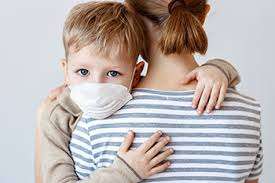
Diabetic ketoacidosis is a serious complication of diabetes caused by insufficient insulin leading to high blood sugars and acid buildup in the body. It demands urgent medical care to avoid fatal outcomes.
- Symptoms: Excessive thirst, frequent urination, abdominal pain, nausea/vomiting, rapid breathing, confusion.
- Causes: Missed insulin doses, infection, or other stressors triggering insulin deficiency.
- Diagnosis: Blood tests showing high glucose levels, ketones in urine/blood, acid-base imbalance assessments.
- Treatment: Fluid replacement, insulin therapy, electrolyte correction in hospital settings.
- Expectations: With timely treatment prognosis is good; delays can lead to coma or death; long-term diabetes control prevents recurrence.
A clear understanding of DKA promotes early recognition and rapid management which are lifesaving for patients living with diabetes.
HYPERTENSIVE CRISIS
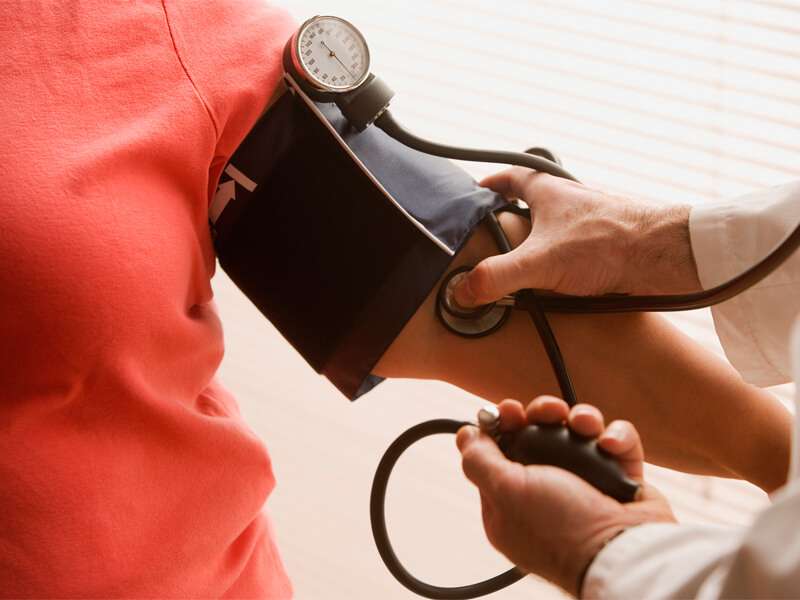
A hypertensive crisis is an emergency marked by a sudden and severe rise in blood pressure that can damage organs. Immediate attention is crucial to prevent life-threatening complications.
- Symptoms: Severe headache, chest pain, shortness of breath, vision changes, or neurological deficits.
- Causes: Often due to uncontrolled hypertension or medication noncompliance.
- Diagnosis: Measurement of extremely elevated blood pressure and assessment for organ damage through labs and imaging.
- Treatment: Hospitalization with intravenous antihypertensives under close monitoring.
- Expectations: Prompt treatment reduces risk of stroke, heart attack, and kidney failure; ongoing blood pressure management is essential after discharge.
Recognizing a hypertensive crisis early improves outcomes significantly through immediate medical intervention and follow-up care.
ACUTE BRONCHITIS

Acute bronchitis is an inflammation of the bronchial tubes, often caused by viral infections. It leads to coughing and discomfort in the chest.
- Symptoms: Persistent cough with mucus, wheezing, mild fever, and fatigue.
- Causes: Mostly viral infections; sometimes bacterial or irritants like smoke.
- Diagnosis: Mainly clinical evaluation; chest X-rays if pneumonia is suspected.
- Treatment: Supportive care including rest, fluids, and sometimes cough suppressants or inhalers.
- Expectations: Symptoms usually resolve within 2-3 weeks without complications in healthy individuals.
Understanding acute bronchitis helps manage symptoms effectively while preventing unnecessary use of antibiotics. Rest and symptom control are key during recovery.