
Dr Brajesh Kumar
About Me
Dr Brajesh Kumar
MBBS
General Physician
10 Years Experience
Biography
My Clinic
OPD Hours
| Monday | Morning | 10:00 AM | - | 02:00 PM |
| Evening | 06:00 PM | - | 09:00 PM | |
| Tuesday | Morning | 10:00 AM | - | 02:00 PM |
| Evening | 06:00 PM | - | 09:00 PM | |
| Wednesday | Morning | 10:00 AM | - | 02:00 PM |
| Evening | 06:00 PM | - | 09:00 PM | |
| Thursday | Morning | 10:00 AM | - | 02:00 PM |
| Evening | 06:00 PM | - | 09:00 PM | |
| Friday | Morning | 10:00 AM | - | 02:00 PM |
| Evening | 06:00 PM | - | 09:00 PM | |
| Saturday | Morning | 10:00 AM | - | 02:00 PM |
| Evening | 06:00 PM | - | 09:00 PM | |
| Sunday | Morning | 10:00 AM | - | 02:00 PM |
| Evening | 06:00 PM | - | 09:00 PM |
Treatments
Specialised care and treatments offered
ACUTE UPPER RESPIRATORY TRACT INFECTION (URTI) CARE
The common cold affects millions annually causing discomfort involving nasal passages and throat. Understanding how to manage symptoms effectively encourages quicker recovery without unnecessary treatments.
< u l >Proper self-care during these episodes minimizes discomfort helps individuals resume normal activities sooner keeping contagion risks low.
ANEMIA EVALUATION AND MANAGEMENT

Anemia occurs when your body lacks enough healthy red blood cells to carry adequate oxygen. Identifying the underlying cause is vital for proper care and symptom relief.
- Pertinent Symptoms & Origins: Fatigue, pallor, dizziness; nutritional deficiencies (iron or vitamins), chronic diseases or blood loss can trigger anemia development.
- The Diagnostic Workup Involves: Complete blood count (CBC), iron studies including ferritin levels help determine anemia type and severity precisely. < / l i > Iron supplementation for deficient patients alongside dietary counseling; treating underlying conditions like infections or bleeding sources; < l i >< s t r o n g >Prognosis Expectations:< / s t r o n g > most cases improve within weeks upon adherence while severe cases require more extensive interventions.< / l i > < / u l >
Addressing anemia promptly restores energy levels improves daily functioning enhancing overall health status significantly.
HYPOTHYROIDISM TREATMENT
An underactive thyroid gland results in reduced hormone production affecting metabolism. Recognition and treatment restore normal bodily functions effectively in most cases.
- Syndromes & Etiology: Fatigue, weight gain, cold intolerance are usual symptoms; autoimmune disorders like Hashimoto's thyroiditis are common causes.
- Detection Methods: Blood tests measuring TSH (thyroid-stimulating hormone) and free T4 hormone levels diagnose the condition accurately.
- Therapeutic Strategies: Daily oral levothyroxine supplements are standard for hormone replacement therapy customized per patient needs.
- If Untreated Effects: Prolonged hypothyroidism may lead to heart problems, infertility or goiter enlargement indicating early intervention's importance.
CHRONIC OBSTRUCTIVE PULMONARY DISEASE (COPD) MANAGEMENT
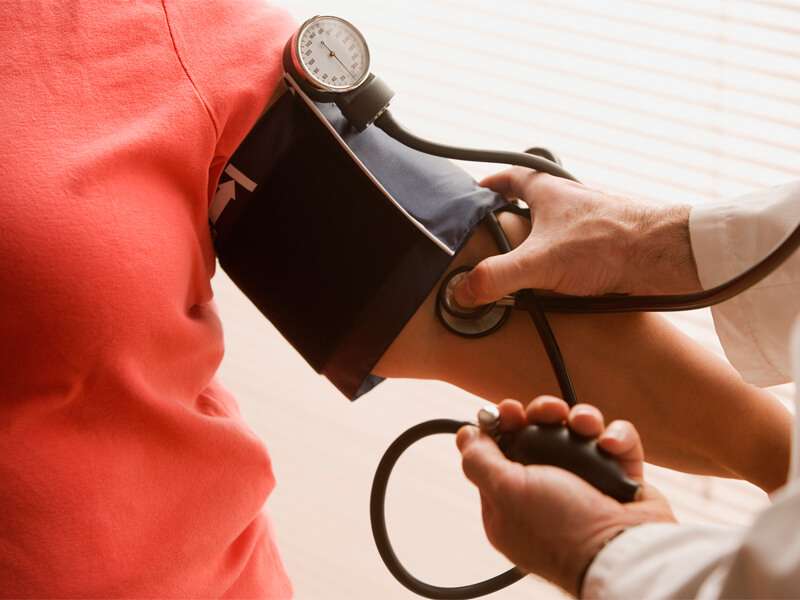
COPD is a progressive lung disease that makes breathing difficult due to airway obstruction. Early detection and management improve symptom control and quality of life.
- Main Symptoms & Causes: Persistent cough with mucus, shortness of breath; primary cause is smoking or long-term exposure to harmful pollutants.
- Diagnostic Tools: Pulmonary function tests (spirometry) assess airflow obstruction severity along with chest X-rays.
- Treatment Modalities: Includes smoking cessation support, inhaled bronchodilators or corticosteroids, pulmonary rehabilitation exercises.
- Lifestyle Considerations: Avoiding respiratory irritants and vaccinations against respiratory infections are essential preventive steps for patients.
While COPD is not curable, appropriate treatment can slow progression and alleviate difficulties in breathing over time.
TYPE 2 DIABETES MELLITUS CARE

This chronic condition affects how your body metabolizes sugar, often requiring ongoing attention to maintain balanced blood glucose levels. Proper management reduces the risk of complications.
- Symptoms and Causes: Common signs include increased thirst, frequent urination, fatigue; causes relate to insulin resistance linked with obesity and family history.
- Diagnosis: Blood tests such as fasting glucose levels, HbA1c percentages help confirm diabetes status and monitor control.
- Treatment Approaches: Diet regulation focusing on carbohydrates, physical activity enhancement, oral hypoglycemic agents or insulin therapy if needed.
- What Patients Should Know: Regular monitoring supports prevention of nerve damage, kidney issues, and eye complications; lifestyle remains foundational alongside medication.
A proactive approach combining medical care with healthy habits greatly improves quality of life for those living with type 2 diabetes.
HYPERTENSION MANAGEMENT
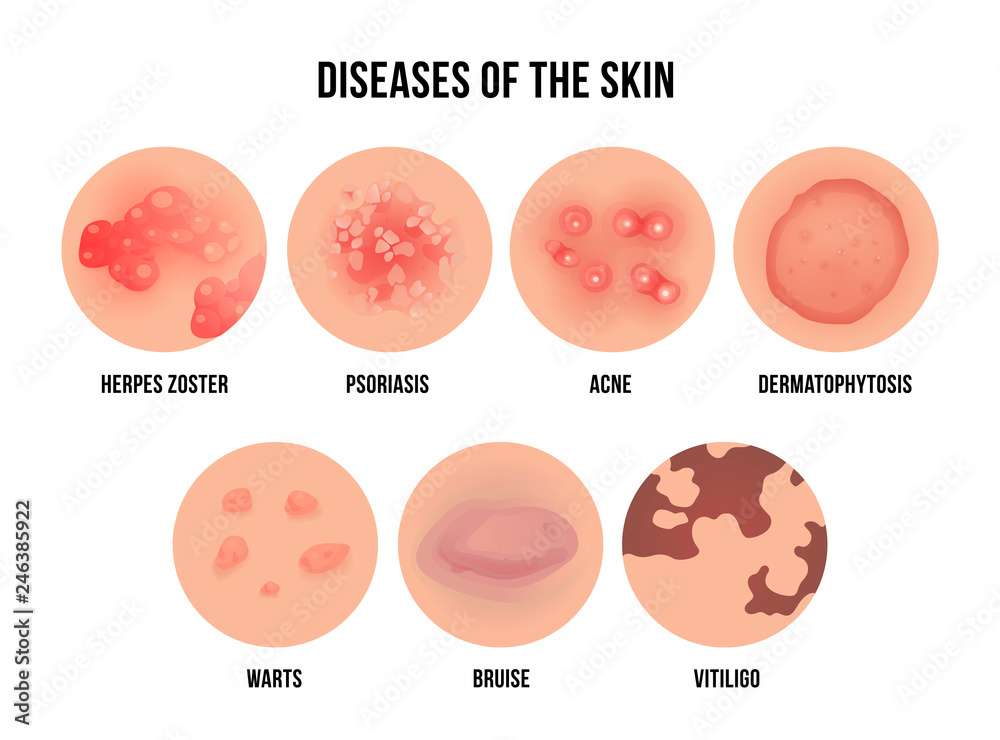
High blood pressure is a common condition that can lead to serious health problems if left untreated. Managing hypertension effectively helps prevent complications such as heart attacks and strokes.
- Symptoms and Causes: Often called the "silent killer," hypertension may have no obvious symptoms but can be influenced by genetics, diet, stress, and lifestyle factors.
- Diagnosis: Regular blood pressure monitoring using a sphygmomanometer, sometimes supplemented with ambulatory or home BP measurements.
- Treatment Options: Lifestyle modifications like diet changes, exercise, weight control, plus medications like ACE inhibitors or beta-blockers as prescribed.
- What to Expect: Blood pressure stabilization over weeks to months with regular follow-up; adherence to treatment decreases risk of cardiovascular events significantly.
Staying consistent in monitoring and managing blood pressure is key to maintaining overall heart health and preventing long-term damage.