
Dr Billu Singh
About Me
Dr Billu Singh
MS
Cardiothorocic Surgeon
10 Years Experience
Biography
My Clinic
OPD Hours
| Monday | Morning | 10:00 AM | - | 02:00 PM |
| Evening | 06:00 PM | - | 09:00 PM | |
| Tuesday | Morning | 10:00 AM | - | 02:00 PM |
| Evening | 06:00 PM | - | 09:00 PM | |
| Wednesday | Morning | 10:00 AM | - | 02:00 PM |
| Evening | 06:00 PM | - | 09:00 PM | |
| Thursday | Morning | 10:00 AM | - | 02:00 PM |
| Evening | 06:00 PM | - | 09:00 PM | |
| Friday | Morning | 10:00 AM | - | 02:00 PM |
| Evening | 06:00 PM | - | 09:00 PM | |
| Saturday | Morning | 10:00 AM | - | 02:00 PM |
| Evening | 06:00 PM | - | 09:00 PM | |
| Sunday | Morning | 10:00 AM | - | 02:00 PM |
| Evening | 06:00 PM | - | 09:00 PM |
Treatments
Specialised care and treatments offered
TRANSCATHETER AORTIC VALVE REPLACEMENT (TAVR)
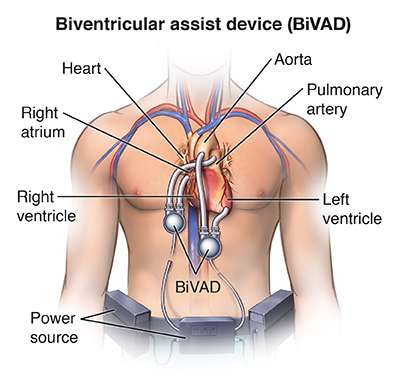
The Transcatheter Aortic Valve Replacement (TAVR) is an innovative approach designed mainly for patients who are at high risk for conventional surgery. It allows doctors to replace narrowed aortic valves without large incisions through catheter-based access points.
- Indications: Suitable candidates typically exhibit symptomatic severe aortic stenosis but present increased surgical risks due to age or other underlying health conditions .
- Typical symptoms: Symptoms seen frequently encompass breathlessness during exertion , fainting episodes,and episodes of chest discomfort .
- Assessment methods: Evaluations will include echocardiograms ,and imaging studies like CT scans informing suitability under expert guidance .
- Advantages offered: The primary benefit lies within lower complication rates along with shorter recovery durations resulting from this less invasive procedure .
The TAVR method enhances accessibility towards vital treatments across diverse patient populations seeking relief from debilitating cardiac ailments effectively ..
MINIMALLY INVASIVE HEART SURGERY
This approach utilizes smaller incisions compared to traditional open-heart procedures. Minimally invasive heart surgery offers patients benefits like reduced recovery time and less postoperative discomfort while addressing various cardiovascular issues effectively.
- Conditions treated: Frequently employed for valve repairs or coronary artery bypass grafting among others .
- Symptoms: Signs prompting consideration might include chest pain , irregular heartbeats ,or diminished exercise capacity .
- Diagnostic techniques: Preoperative assessments often involve angiograms , echocardiograms ,and possibly cardiac MRIs .
- Recovery insights: Most patients return home within days post-procedure , adapting gradually back into their daily routines .
The minimally invasive technique promotes faster healing times while still accomplishing necessary cardiac corrections efficiently .
AORTIC ANEURYSM REPAIR
An aortic aneurysm repair is essential when an abnormal bulging occurs in the aorta wall that poses risks of rupture. Immediate medical intervention is critical for preventing potentially fatal outcomes associated with this condition.
- Causative factors: Conditions such as high blood pressure and cholesterol levels contribute significantly towards aneurysm formation over time.
- Disease identification: Diagnosis typically involves imaging modalities like ultrasound or CT scans which help visualize aneurysm size and location accurately.
- Surgical options: The procedure may involve endovascular stent placement for smaller aneurysms or open surgical repair for larger ones needing more extensive intervention.
A successful repair leads to reduced risk of complications while also addressing any underlying health issues contributing to aneurysms
LUNG RESECTION SURGERY
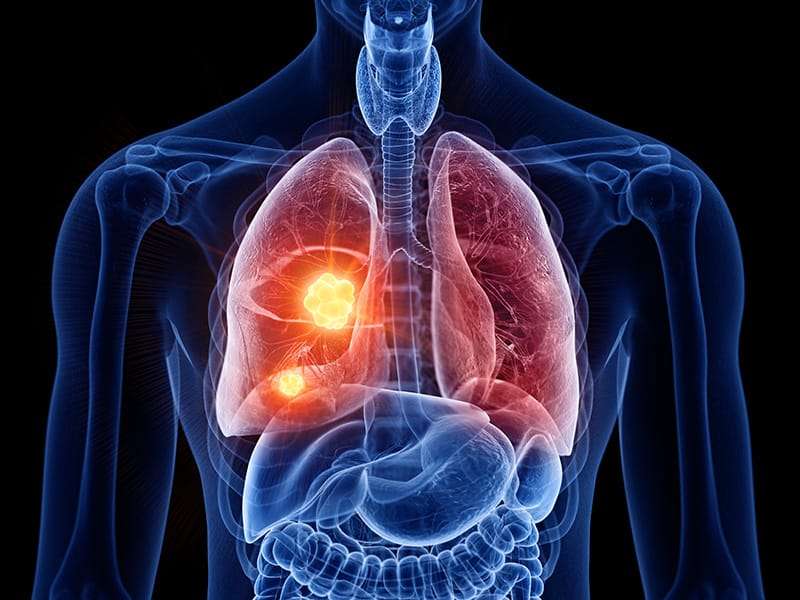
Lung resection surgery involves removing a portion of the lung affected by disease such as cancer or severe infections. This procedure aims to eliminate diseased tissue while preserving as much healthy lung function as possible.
- Indications: Common reasons for this surgery include lung cancer diagnoses where tumors need excision along with surrounding healthy tissue.
- Symptoms: Patients may experience persistent cough, hemoptysis (coughing up blood), chest pain, and unexplained weight loss prior to diagnosis.
- Diagnosis: Imaging techniques such as CT scans combined with biopsies help in determining lung pathology severity.
- Treatment plans: Post-surgery, patients typically undergo chemotherapy or radiation depending on cancer staging and pathology reports.
This type of surgery can significantly improve survival rates and respiratory function when performed in appropriate cases.
HEART VALVE REPAIR OR REPLACEMENT
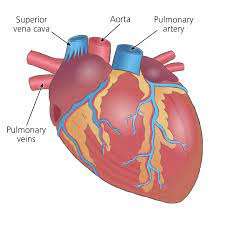
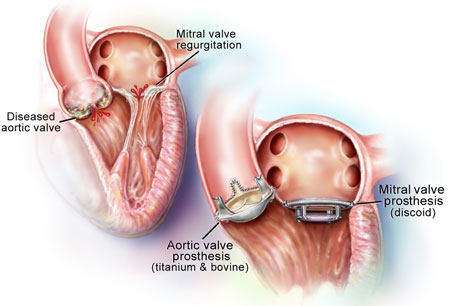
A heart valve repair or replacement surgery is performed when one or more of the four heart valves are damaged or malfunctioning. Issues like stenosis or regurgitation can cause significant cardiac problems.
- Causes: Factors include age-related degeneration, rheumatic fever, and congenital defects affecting valve structure.
- Symptoms: Patients often report symptoms such as fatigue, dizziness, palpitations, and swelling in the legs or abdomen.
- Diagnosis: Echocardiograms are commonly used to determine the functionality of the valves along with other imaging tests.
- Treatment options: Choices between repairing native valves or replacing them with mechanical or biological prostheses depend on individual patient conditions.
Surgical intervention can greatly enhance heart function and improve overall health outcomes for affected individuals.
CORONARY ARTERY BYPASS GRAFTING (CABG)
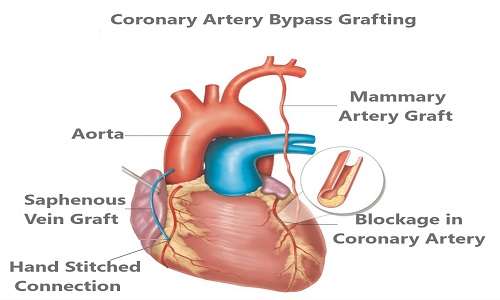
Coronary Artery Bypass Grafting (CABG) is a surgical procedure aimed at restoring blood flow to the heart by creating new pathways around blocked arteries. This condition primarily occurs due to the buildup of plaque that narrows coronary arteries, often leading to chest pain or heart attacks.
- Symptoms: Patients may experience angina (chest pain), fatigue, shortness of breath, and decreased tolerance to physical activity.
- Diagnosis: This involves angiograms, stress tests, and echocardiograms to assess the severity of artery blockage.
- Treatment: In addition to CABG, treatment options may include medications for managing symptoms and lifestyle changes such as diet and exercise.
- What to expect: Recovery from CABG can take several weeks, with a monitored recovery phase in a hospital followed by rehabilitation exercises.
CABG has proven effective for many patients with severe coronary artery disease, providing significant improvements in quality of life.