
Dr Bhupendra Chau
About Me
Dr Bhupendra Chau
MBBS
General Physician
10 Years Experience
Biography
My Clinic
OPD Hours
| Monday | Morning | 10:00 AM | - | 02:00 PM |
| Evening | 06:00 PM | - | 09:00 PM | |
| Tuesday | Morning | 10:00 AM | - | 02:00 PM |
| Evening | 06:00 PM | - | 09:00 PM | |
| Wednesday | Morning | 10:00 AM | - | 02:00 PM |
| Evening | 06:00 PM | - | 09:00 PM | |
| Thursday | Morning | 10:00 AM | - | 02:00 PM |
| Evening | 06:00 PM | - | 09:00 PM | |
| Friday | Morning | 10:00 AM | - | 02:00 PM |
| Evening | 06:00 PM | - | 09:00 PM | |
| Saturday | Morning | 10:00 AM | - | 02:00 PM |
| Evening | 06:00 PM | - | 09:00 PM | |
| Sunday | Morning | 10:00 AM | - | 02:00 PM |
| Evening | 06:00 PM | - | 09:00 PM |
Treatments
Specialised care and treatments offered
RESPIRATORY INFECTION DIAGNOSIS

Lung infections vary from mild colds to severe pneumonia requiring prompt identification for appropriate care. Recognizing symptoms early aids effective treatment decisions.
- Main Symptoms:Coughing with mucus production, fever, breathlessness, chest discomfort signal respiratory infection presence.
ROUTINE HEALTH CHECKUP
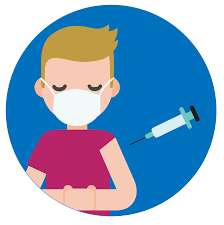
A comprehensive health examination allows early detection of potential problems before symptoms arise. It forms the cornerstone of preventive healthcare.
- What’s Included? Physical examination, vital signs measurement, blood tests (CBC, lipid profile), urine analysis, and other screenings as per age or risk factors.
- Purpose: To identify risk factors like cholesterol abnormalities or anemia that could predispose to disease development.
- Lifestyle Guidance: Doctors provide advice on nutrition, exercise habits, smoking cessation based on findings during the checkup.
- Sooner Detection Means Better Outcomes: Detecting concerns early leads to timely interventions reducing morbidity risks significantly.
Scheduling regular health checkups is recommended for maintaining wellness through timely prevention strategies tailored individually.
THYROID FUNCTION EVALUATION
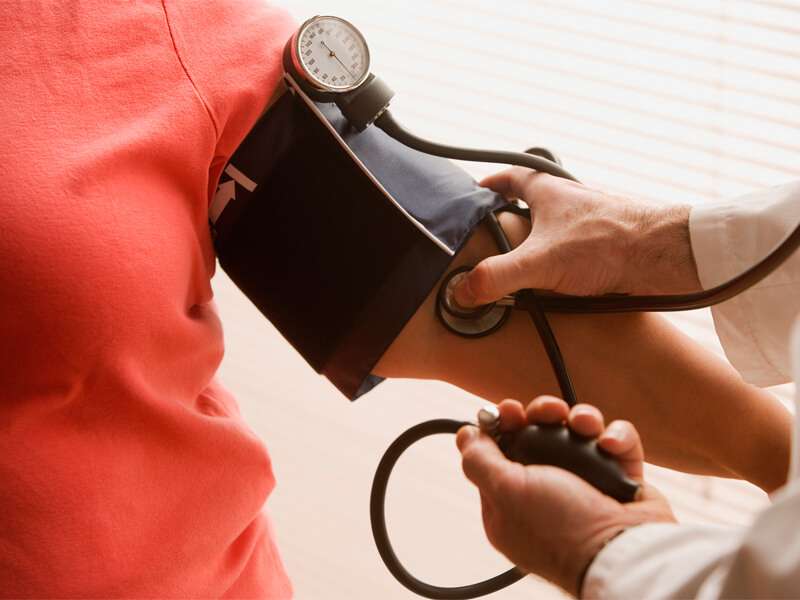
The thyroid gland influences many bodily functions via hormone secretion. Its dysfunction can manifest in diverse ways requiring careful assessment.
- Common Symptoms: Fatigue, weight changes, temperature intolerance, and mood shifts might indicate thyroid issues.
- Testing Methods: Blood tests measuring TSH, T3, and T4 hormones are primary tools for evaluating thyroid status.
- Treatment Plans: Hypothyroidism typically requires daily thyroid hormone replacement; hyperthyroidism may need medications or further interventions.
- Follow-up Needs: Regular monitoring ensures appropriate dosing adjustments and symptom relief.
An accurate evaluation of thyroid function is vital for restoring hormonal balance and improving overall health quality.
DIABETES SCREENING AND CONTROL

Blood sugar disorders such as diabetes mellitus pose significant health challenges globally. Early detection through screening is critical to effective management.
- Why Screen? Pre-diabetes often has no symptoms but can progress to type 2 diabetes if unaddressed.
- Diagnostic Tests: Fasting blood glucose levels, HbA1c tests, and oral glucose tolerance tests help identify abnormalities in glucose metabolism.
- Treatment Approaches: Diet modification, physical activity, oral hypoglycemics, and sometimes insulin therapy aid in controlling blood sugar levels.
- Lifestyle Impact: Maintaining a healthy weight and avoiding smoking significantly improve prognosis.
A proactive approach with regular testing empowers patients to manage or prevent diabetes-related complications effectively.
HYPERTENSION MANAGEMENT

High blood pressure, or hypertension, is a common condition that can lead to serious health complications if left untreated. It often develops over many years and may not present obvious symptoms initially.
- Causes and Symptoms: Risk factors include genetics, high salt intake, obesity, and stress. Many patients feel well but may experience headaches or dizziness in advanced stages.
- Diagnosis: Blood pressure readings taken during clinical visits or home monitoring are essential for diagnosis. Multiple readings over time confirm the condition.
- Treatment Options: Lifestyle changes such as diet modification, exercise, and weight control are first-line strategies. Medications like ACE inhibitors or beta-blockers may be prescribed when necessary.
- Monitoring and Follow-up: Regular check-ups help assess treatment effectiveness and prevent complications.
Managing hypertension requires commitment to lifestyle adaptation and periodic medical evaluations to keep blood pressure within a safe range and reduce cardiovascular risks.