
Dr Bhimrao Ambedk
About Me
Dr Bhimrao Ambedk
MBBS
General Physician
10 Years Experience
Biography
My Clinic
OPD Hours
| Monday | Morning | 10:00 AM | - | 02:00 PM |
| Evening | 06:00 PM | - | 09:00 PM | |
| Tuesday | Morning | 10:00 AM | - | 02:00 PM |
| Evening | 06:00 PM | - | 09:00 PM | |
| Wednesday | Morning | 10:00 AM | - | 02:00 PM |
| Evening | 06:00 PM | - | 09:00 PM | |
| Thursday | Morning | 10:00 AM | - | 02:00 PM |
| Evening | 06:00 PM | - | 09:00 PM | |
| Friday | Morning | 10:00 AM | - | 02:00 PM |
| Evening | 06:00 PM | - | 09:00 PM | |
| Saturday | Morning | 10:00 AM | - | 02:00 PM |
| Evening | 06:00 PM | - | 09:00 PM | |
| Sunday | Morning | 10:00 AM | - | 02:00 PM |
| Evening | 06:00 PM | - | 09:00 PM |
Treatments
Specialised care and treatments offered
WEIGHT MANAGEMENT COUNSELING
Counseling focused on weight management aims at achieving sustainable weight loss through tailored lifestyle changes. This approach fosters healthy habits rather than quick fixes that often fail long term.
ALLERGY TESTING

An allergy test identifies specific allergens triggering allergic reactions through various methods. Understanding your allergies can drastically improve your quality of life by allowing you to avoid exposure to triggers.
- The procedure: Skin prick testing or blood tests help determine sensitivities to particular allergens like pollen or certain foods.
< li Management: An individualized action plan is created based on test findings; education about avoiding allergens remains paramount.
Knowing your allergens empowers you to take charge of your health!
ANNUAL HEALTH CHECK-UP
An annual health check-up is an essential routine that helps identify potential health issues before they become serious. Regular assessments play a critical role in maintaining good health over time.
- Purpose: To monitor general health status; early detection of conditions such as hypertension or diabetes is emphasized during check-ups.
- Screens & Tests: Various tests may include blood pressure readings, cholesterol levels checks, and other necessary screenings based on age and risk factors.
- Treatment options: Recommendations may arise from findings such as dietary changes or further testing if abnormalities are detected.
Your annual visit serves as a proactive step towards sustaining long-term health at every stage of life!
RESPIRATORY INFECTIONS MANAGEMENT
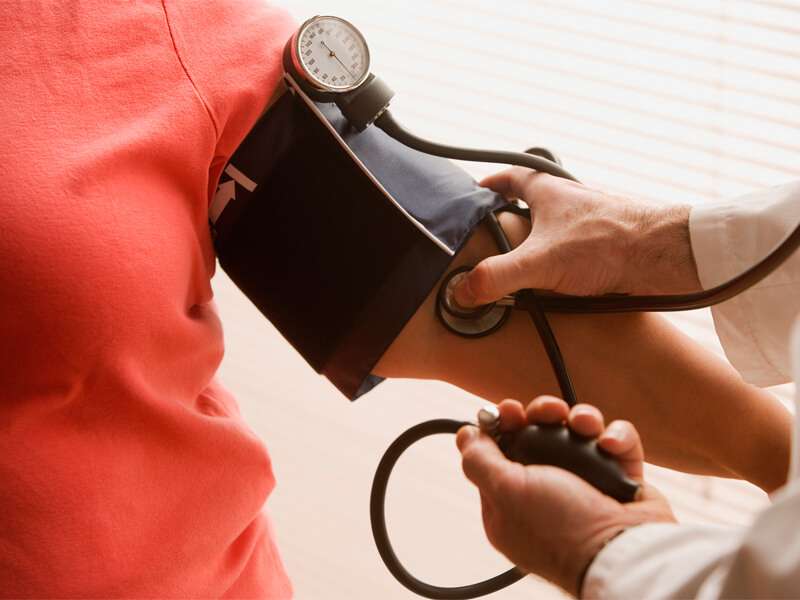
Respiratory infections are conditions affecting the airways and lungs. They range from mild colds to more serious infections like pneumonia. Understanding how to manage these infections is essential for recovery.
- Symptoms: Common signs include cough, fever, sore throat, and difficulty breathing depending on severity.
- Causes: Viral or bacterial pathogens often cause respiratory infections; environmental factors like smoke can exacerbate symptoms.
- Diagnosis: A thorough clinical evaluation combined with chest X-rays or lab tests helps ascertain the type of infection present.
- Treatment options: Treatments vary from rest and hydration for viral infections to antibiotics for bacterial ones.
A comprehensive management plan tailored to individual needs is crucial for effective recovery!
DIABETES SCREENING

Screening for diabetes is critical in identifying the condition early, which can prevent complications down the line. Early detection allows for timely intervention and better management of this chronic disease.
- Symptoms: Increased thirst, frequent urination, extreme fatigue, and blurred vision may be signs of diabetes.
- Diagnosis: Blood tests measuring glucose levels can confirm the presence of diabetes.
- Treatment options: Depending on the type of diabetes diagnosed (Type 1 or Type 2), treatments may include lifestyle changes, insulin therapy or oral medications.
- Management: Continuous monitoring of blood sugar levels and regular visits to your physician are vital for effective control of diabetes.
This proactive approach in screening plays a significant role in managing overall health effectively!
HYPERTENSION MANAGEMENT

Hypertension, or high blood pressure, is a common condition that can lead to serious health issues if left unmanaged. It’s crucial to monitor your blood pressure regularly, as many people may not experience noticeable symptoms.
- Symptoms: Often asymptomatic; however, headaches, shortness of breath, and nosebleeds can occur in severe cases.
- Causes: Factors include age, obesity, stress, lack of physical activity, and family history.
- Diagnosis: Blood pressure readings taken during routine check-ups can help identify hypertension.
- Treatment options: Lifestyle changes such as diet and exercise are recommended; medications might be prescribed for more severe cases.
- Management: Regular follow-ups and adjustments to treatment plans are essential for maintaining optimal blood pressure levels.
Effective management can significantly reduce the risk of complications like heart disease and stroke. Regular check-ups are key!