
Dr Bhaskar Gangul
About Me
Dr Bhaskar Gangul
MBBS
General Physician
10 Years Experience
Biography
My Clinic
OPD Hours
| Monday | Morning | 10:00 AM | - | 02:00 PM |
| Evening | 06:00 PM | - | 09:00 PM | |
| Tuesday | Morning | 10:00 AM | - | 02:00 PM |
| Evening | 06:00 PM | - | 09:00 PM | |
| Wednesday | Morning | 10:00 AM | - | 02:00 PM |
| Evening | 06:00 PM | - | 09:00 PM | |
| Thursday | Morning | 10:00 AM | - | 02:00 PM |
| Evening | 06:00 PM | - | 09:00 PM | |
| Friday | Morning | 10:00 AM | - | 02:00 PM |
| Evening | 06:00 PM | - | 09:00 PM | |
| Saturday | Morning | 10:00 AM | - | 02:00 PM |
| Evening | 06:00 PM | - | 09:00 PM | |
| Sunday | Morning | 10:00 AM | - | 02:00 PM |
| Evening | 06:00 PM | - | 09:00 PM |
Treatments
Specialised care and treatments offered
ROUTINE ADULT VACCINATION COUNSELING
The role of vaccinations in adult health maintenance remains crucial in preventing infectious diseases that carry significant morbidity risks worldwide. Protective immunizations help keep individuals safe through their lifespan.
- Pertinent Vaccines: Sought-after shots include influenza vaccine annually plus pneumococcal vaccines depending on age/comorbidities.
- Counseling Points: Reviewing prior immunization status guides updated recommendations.
- Administration: Vaccinations typically involve minimal discomfort using intramuscular injections administered in-office settings.
- Side Effects & Follow-up :Mild local reactions are common but serious adverse events rare; post-vaccine guidance enhances patient confidence.
IRON DEFICIENCY ANEMIA EVALUATION AND TREATMENT

Anemia due to iron deficiency occurs when iron stores are insufficient for normal red blood cell production. It leads to fatigue and other systemic symptoms requiring investigation and therapy.
- Causes & Symptoms: Pale skin, weakness, shortness of breath linked with nutritional deficits, chronic bleeding or absorption problems.
- Differential Diagnosis: Your healthcare provider orders complete blood counts and serum ferritin tests among others.
- Treatment Methods: Dietary counseling plus oral iron supplements form mainstays. Severe cases might need parenteral iron.
- Lifestyle Impact & Expectations: Takes weeks to months for symptoms improvement; adherence ensures prevention of recurrence.
Caring for iron deficiency anemia improves energy levels significantly while addressing underlying causes prevents future episodes.
ACUTE UPPER RESPIRATORY TRACT INFECTION (COMMON COLD) GUIDANCE

The common cold is an infection of the upper respiratory tract caused by various viruses. It usually resolves without serious consequences but requires symptomatic care for comfort.
- Main symptoms & causes: Runny nose, sore throat, cough caused by viral agents like rhinoviruses transmitted via droplets/contact.
- Diagnosis process: Primarily clinical based on symptom pattern; lab tests rarely needed unless complications arise.
- Treatment/management strategies: Focuses on rest, hydration, analgesics/antipyretics for pain/fever relief; antibiotics are not recommended routinely.
- `What to expect during recovery: Most cases improve within 7-10 days though cough may linger longer; watch for signs needing further evaluation such as persistent fever or worsening symptoms).
This illness is self-limiting but adopting supportive care shortens discomfort periods effectively.
SEASONAL ALLERGIC RHINITIS CARE
This condition involves inflammation of the nasal mucosa triggered by allergens such as pollen during certain seasons. It results in bothersome nasal symptoms affecting daily comfort.
- Symptoms/causes: Sneezing, runny nose, nasal congestion related to allergen exposure like pollens or dust mites.
- Diagnosis: Clinical evaluation supported by allergen skin prick tests when necessary helps identify triggers.
- Treatment approach: Includes avoidance strategies, antihistamines, nasal corticosteroids, and decongestants tailored to symptom severity.
- The expected course: Symptoms typically worsen during peak allergen periods but respond well to prompt treatment measures improving quality of life.
Effective management combines trigger control with medication for symptom relief during allergy seasons.
TYPE 2 DIABETES SCREENING AND EARLY MANAGEMENT

Type 2 diabetes is a metabolic disorder characterized by elevated blood sugar levels due to insulin resistance or deficiency. Early detection can prevent severe complications.
- Symptoms and causes: May include increased thirst, urination, fatigue; risk factors include obesity, sedentary lifestyle, family history.
- Diagnosis: Blood tests such as fasting glucose or HbA1c confirm diagnosis.
- Treatment/management: Initially involves lifestyle modification focusing on diet and physical activity; oral medications may be introduced as needed.
- What to expect: Routine monitoring of blood sugar levels; education on recognizing symptoms of hypoglycemia or hyperglycemia for safety.
A timely approach towards managing diabetes can significantly improve quality of life and prevent organ damage.
HYPERTENSION MANAGEMENT
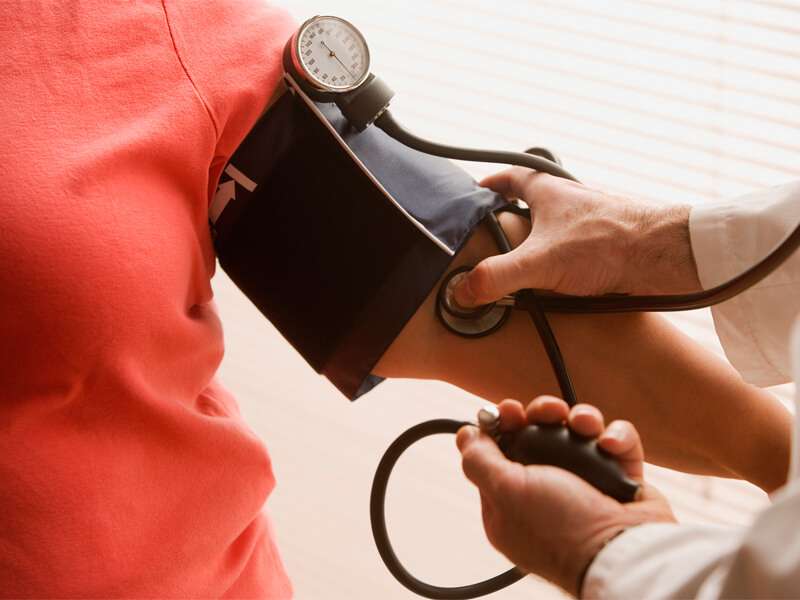
High blood pressure, or hypertension, is a common condition that affects many adults worldwide. It puts extra strain on the heart and arteries, increasing the risk of heart disease and stroke if left uncontrolled.
- Symptoms and causes: Often called a 'silent killer' as it may show no symptoms; caused by factors like genetics, obesity, stress, and high salt intake.
- Diagnosis: Detected through repeated blood pressure measurements in the clinic or with ambulatory monitoring.
- Treatment options: Lifestyle changes such as diet and exercise combined with prescribed medications to lower blood pressure effectively.
- What to expect: Regular follow-ups are necessary to adjust treatment plans and monitor side effects; successful management reduces risks of complications.
With consistent care and adherence to treatment, hypertension can be controlled to maintain a healthy life long-term.