
Dr Bhasin Clinics
About Me
Dr Bhasin Clinics
MBBS
General Physician
10 Years Experience
Biography
My Clinic
OPD Hours
| Monday | Morning | 10:00 AM | - | 02:00 PM |
| Evening | 06:00 PM | - | 09:00 PM | |
| Tuesday | Morning | 10:00 AM | - | 02:00 PM |
| Evening | 06:00 PM | - | 09:00 PM | |
| Wednesday | Morning | 10:00 AM | - | 02:00 PM |
| Evening | 06:00 PM | - | 09:00 PM | |
| Thursday | Morning | 10:00 AM | - | 02:00 PM |
| Evening | 06:00 PM | - | 09:00 PM | |
| Friday | Morning | 10:00 AM | - | 02:00 PM |
| Evening | 06:00 PM | - | 09:00 PM | |
| Saturday | Morning | 10:00 AM | - | 02:00 PM |
| Evening | 06:00 PM | - | 09:00 PM | |
| Sunday | Morning | 10:00 AM | - | 02:00 PM |
| Evening | 06:00 PM | - | 09:00 PM |
Treatments
Specialised care and treatments offered
SCREENING FOR ANEMIA
Anemia occurs when red blood cell levels are insufficient to carry adequate oxygen throughout the body. Screening detects underlying causes early for prompt treatment.
- The signs include fatigue, pallor, shortness of breath on exertion; it may result from nutritional deficiencies or chronic diseases.
- Diagnostic tests involve complete blood count analysis plus iron studies depending on suspected etiology .
- Treatment varies widely encompassing iron supplementation , dietary correction , treating chronic illness , or addressing bleeding sources .
- Proper identification through screening helps prevent serious complications such as cardiac strain or developmental delays in children .
- Regular follow-up ensures effectiveness of therapy adjustments based on response .
A timely anemia screening program plays a critical role in ensuring patients maintain optimal oxygenation supporting overall health vitality .
ACUTE BRONCHITIS CARE

An infection-driven inflammation of the bronchial tubes leads to coughing episodes requiring attentive management to prevent further complications.
- Main Symptoms & Causes: Persistent cough often producing sputum; typically follows viral infections though bacterial causes exist.
- How It’s Diagnosed: Clinical history combined with physical examination focusing on lung auscultation helps confirm diagnosis.
- Treatment Plans: Symptomatic relief via cough suppressants or bronchodilators as needed; antibiotics reserved for suspected bacterial involvement.
- Treatment Expectations:
GASTROESOPHAGEAL REFLUX DISEASE (GERD) MANAGEMENT

This common digestive disorder involves acid reflux causing discomfort but can be effectively addressed with timely intervention and lifestyle adjustments.
- Symptoms & Causes: Heartburn, regurgitation of stomach contents; triggered by obesity, certain foods, smoking, or hiatal hernia presence.
- Diagnostic Approach: Clinical evaluation supported by endoscopy or pH monitoring if symptoms persist despite treatment。
- Treatment Modalities: Lifestyle changes such as weight loss and diet modification important; proton pump inhibitors (PPIs) are commonly used medications.
- Treatment Outcome Expectations: Most patients experience significant relief within weeks; severe cases might require surgical intervention.
A consistent approach combining medication with healthy habits enhances symptom control and improves overall wellbeing significantly.
CHRONIC OBSTRUCTIVE PULMONARY DISEASE (COPD) TREATMENT
This progressive lung disease causes breathing difficulties that worsen over time but can be managed effectively with appropriate care plans.
- Symptoms & Causes: Persistent cough with mucus production, shortness of breath; primarily caused by smoking and long-term exposure to pollutants.
- Diagnosis Methods: Pulmonary function tests (spirometry) measure airflow obstruction severity along with chest X-rays for ruling out other causes.
- Treatment Strategies: Smoking cessation support critical; bronchodilators, inhaled steroids used to relieve symptoms; oxygen therapy in advanced stages.
- Prognosis & Expectations: Although there is no cure, symptom control improves daily functioning and reduces exacerbations through regular monitoring and adherence.
A well-structured treatment plan can enhance comfort and slow disease progression significantly when followed diligently.
TYPE 2 DIABETES MELLITUS CARE

A chronic metabolic disorder characterized by elevated blood sugar levels due to insulin resistance or deficiency requires comprehensive care for optimal outcomes.
- Symptoms and Causes: Increased thirst, frequent urination, fatigue; influenced by obesity, sedentary lifestyle, and genetic predisposition.
- Diagnosis: Blood tests including fasting glucose and HbA1c levels establish diagnosis and assess control status.
- Treatment/Management: Emphasis on balanced diet, regular exercise; pharmacotherapy with oral hypoglycemics or insulin if indicated.
- Expected Course: Ongoing follow-up needed for monitoring complications affecting eyes, kidneys, nerves; patient education is vital for self-care.
Lifelong management helps in preventing severe complications, ensuring better quality of life through proactive measures and medical support.
HYPERTENSION MANAGEMENT

High blood pressure is a common condition that can lead to serious health problems if left unmanaged. Understanding how to control it is essential for maintaining overall wellness.
- Symptoms and Causes: Often asymptomatic, but may cause headaches or dizziness; caused by genetics, lifestyle factors, and diet.
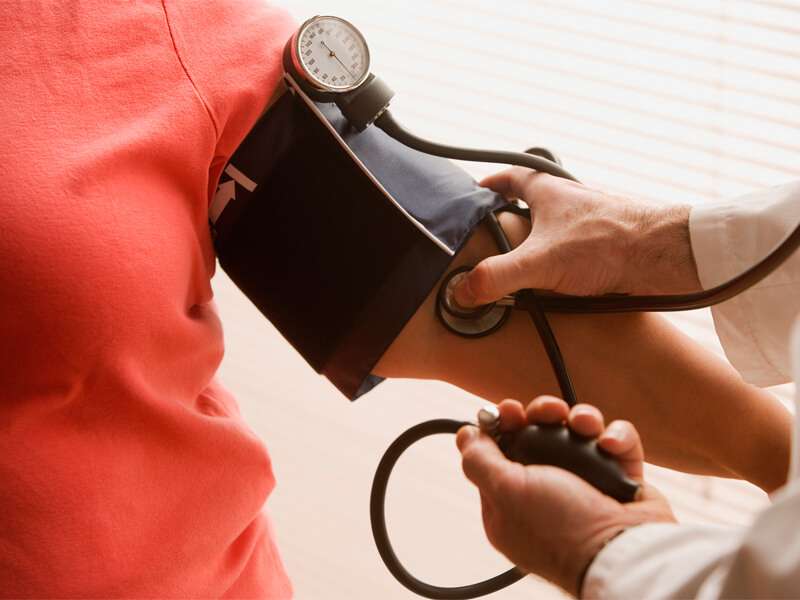
- Diagnosis: Regular blood pressure measurements taken in the clinic or at home to confirm persistent elevation above 130/80 mmHg.
- Treatment Options: Lifestyle modifications such as dietary changes and exercise; medications including ACE inhibitors, beta-blockers, or diuretics are commonly prescribed.
- What to Expect: Continuous monitoring is necessary to prevent complications like heart disease or stroke; treatment is often lifelong.
Effectively managing high blood pressure reduces risks and promotes a healthier life with proper adherence to prescribed interventions.