
Dr Bharat Khatri,
About Me
Dr Bharat Khatri,
MBBS
Therapist
10 Years Experience
Biography
My Clinic
OPD Hours
| Monday | Morning | 10:00 AM | - | 02:00 PM |
| Evening | 06:00 PM | - | 09:00 PM | |
| Tuesday | Morning | 10:00 AM | - | 02:00 PM |
| Evening | 06:00 PM | - | 09:00 PM | |
| Wednesday | Morning | 10:00 AM | - | 02:00 PM |
| Evening | 06:00 PM | - | 09:00 PM | |
| Thursday | Morning | 10:00 AM | - | 02:00 PM |
| Evening | 06:00 PM | - | 09:00 PM | |
| Friday | Morning | 10:00 AM | - | 02:00 PM |
| Evening | 06:00 PM | - | 09:00 PM | |
| Saturday | Morning | 10:00 AM | - | 02:00 PM |
| Evening | 06:00 PM | - | 09:00 PM | |
| Sunday | Morning | 10:00 AM | - | 02:00 PM |
| Evening | 06:00 PM | - | 09:00 PM |
Treatments
Specialised care and treatments offered
ANGER MANAGEMENT THERAPY
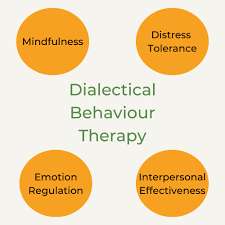
If anger frequently disrupts daily living or relationships it may benefit from professional intervention. Anger management therapy teaches controlled expression and conflict resolution skills vital for emotional balance.
GRIEF COUNSELING
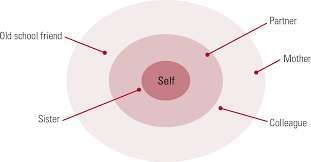
This specialized counseling assists individuals coping with loss by providing a safe space to process emotions and adapt to changed circumstances. It supports healing through understanding grief's complexities.
- Symptoms/causes: Intense sadness, confusion, anger or withdrawal following death or significant life changes characterize the grief experience uniquely per person.
- Diagnosis:Treatment emphasizes validation of feelings along with strategies that promote adjustment while recognizing individual grief timelines.Supportive talks facilitate acceptance while also helping resolve any complicated grief reactions if present.Expect gradual progress in re-engaging life activities accompanied by strengthened coping abilities through guided therapeutic interventions.
SLEEP DISORDER THERAPY
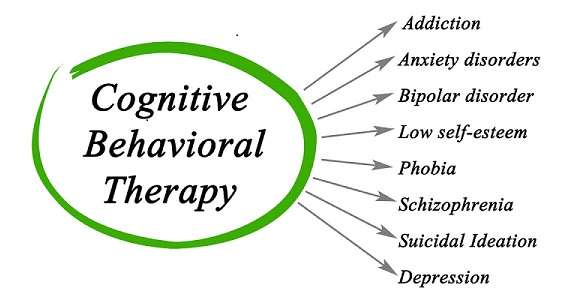
Treatment for sleep disorders targets conditions such as insomnia or restless sleep by establishing healthy sleep habits and addressing underlying causes. Quality rest is foundational for mental and physical health.
- Symptoms/causes: Includes difficulty falling asleep, frequent awakening, daytime drowsiness often caused by stress or lifestyle factors.
- Diagnosis: Sleep histories combined with questionnaires or studies like polysomnography aid diagnosis when needed.
- Treatment/management: Behavioral changes like sleep hygiene improvement, relaxation training, stimulus control techniques are core components of therapy.
- What to expect: Patients learn tools for better bedroom routines promoting natural sleep cycles without reliance on medications whenever possible.
This approach emphasizes sustainable improvements that support restorative rest crucial for overall wellness.
CHILDHOOD BEHAVIORAL THERAPY
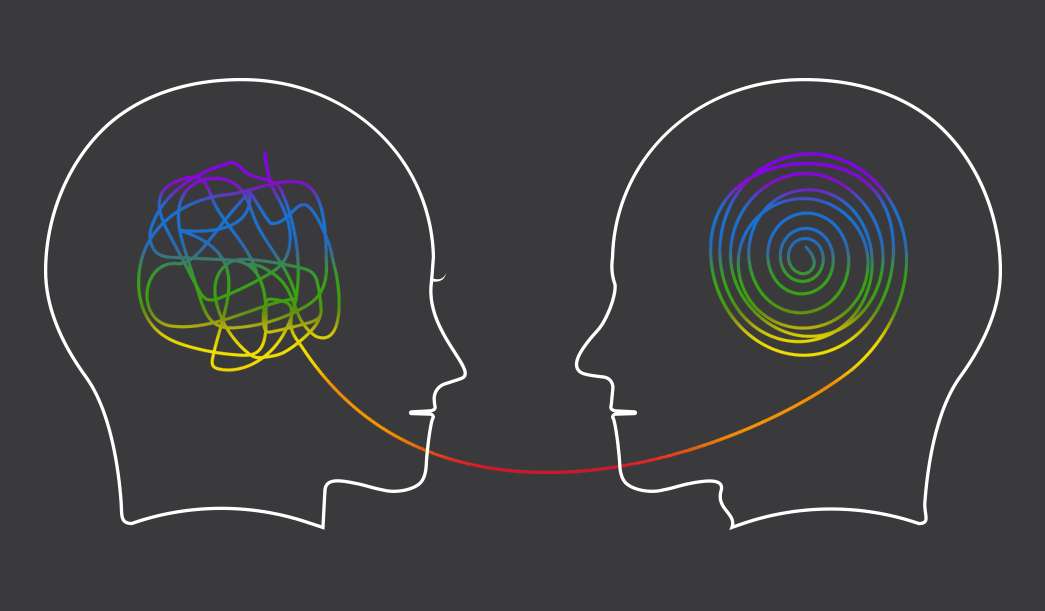
This therapy addresses behavioral challenges in children such as aggression, hyperactivity, or social difficulties by focusing on improving emotional regulation and social skills. Early intervention is crucial for better outcomes.
- Symptoms/causes: Manifestations include difficulty following rules, tantrums, or withdrawal from peers often linked to developmental or environmental factors.
- Diagnosis: Thorough behavioral assessments involving parents, teachers, and clinicians help identify specific issues.
- Treatment/management: Uses positive reinforcement techniques, parent counseling, and structured activities tailored to the child's needs.
- What to expect: Regular sessions engage both child and caregivers aiming at consistent behavior improvements over time.
The goal is to foster healthy emotional growth that enhances the child's functioning at home and school settings alike.
STRESS MANAGEMENT THERAPY
Stress management therapy provides strategies to cope effectively with life's pressures, reducing overall tension and improving quality of life. It focuses on recognizing stress triggers and enhancing resilience.
- Symptoms/causes: Chronic stress can lead to fatigue, irritability, sleep disturbances, and physical ailments like headaches.
- Diagnosis: Evaluation through patient history and stress assessment scales helps tailor appropriate interventions.
- Treatment/management: Techniques include relaxation exercises, mindfulness meditation, time management coaching, and lifestyle modifications.
- What to expect: Sessions emphasize skill-building for long-term stress reduction with practical tools applicable in daily routines.
This therapy supports emotional regulation and promotes healthier habits for sustained well-being in stressful environments.
COGNITIVE BEHAVIORAL THERAPY (CBT)
Cognitive Behavioral Therapy (CBT) is a widely used, evidence-based psychological treatment aimed at modifying harmful thinking patterns and behaviors. It helps individuals develop more balanced perspectives and coping mechanisms.
- Symptoms/causes: Often used for anxiety, depression, phobias, and stress-related disorders where negative thought patterns impact daily life.
- Diagnosis: Mental health assessments identify maladaptive thoughts and behaviors targeted by CBT sessions.
- Treatment/management: Structured sessions involve identifying distorted thinking, challenging cognitive distortions, and developing healthier responses.
- What to expect: Typically includes weekly appointments over several months with homework tasks to practice skills learned.
This approach empowers patients to manage symptoms independently by fostering self-awareness and practical problem-solving techniques.