
Dr Balbir Singh Kohli
About Me
Dr Balbir Singh Kohli
MBBS
General Physician
28 Years Experience
Biography
My Clinic
OPD Hours
| Monday | Morning | 09:00 AM | ||
| Evening | 09:00 PM | |||
| Tuesday | Morning | 09:00 AM | ||
| Evening | 09:00 PM | |||
| Wednesday | Morning | 09:00 AM | ||
| Evening | 09:00 PM | |||
| Thursday | Morning | 09:00 AM |
Treatments
Specialised care and treatments offered
VACCINATION UPDATE
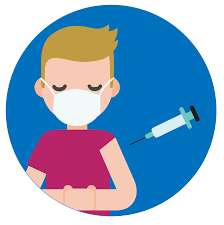
The importance of staying up-to-date with vaccinations cannot be overstated; they play a critical role in preventing infectious diseases such as influenza and pneumonia. Vaccination updates also provide immunity boosts necessary amidst evolving strains circulating within communities levelly protecting everyone’s wellbeing!
,[ Benefits:—High immunization rates contribute significantly towards herd immunity slowing spread preventing possible outbreaks especially among vulnerable populations elderly youths alike.-Disease Coverage:&b>—>-Immunizations protect against several preventable illnesses depending on age group keeping records thorough minimizing lapse chances based existing schedules maintaining adherence throughout life spans transitioning between developmental milestones every stage
Lifestyle Considerations:<. By discussing any concerns during visits regarding specific vaccines needed emphasizing individual needs thereby improving compliance among those hesitant apprehensive boosting general acceptance encouraging community-wide participation ultimately supporting greater public safety objectives together!.
CHOLESTEROL SCREENING

A cholesterol screening test measures levels of cholesterol in the bloodstream which are vital indicators of cardiovascular health. High cholesterol poses significant risks leading to heart disease but can often go unnoticed without regular screening until serious complications arise.
- Symptoms & Risks: Generally asymptomatic initially; risks increase with factors like obesity and sedentary lifestyles contributing over time leading towards heart attack risk rating elevation!
RESPIRATORY HEALTH ASSESSMENT
A respiratory health assessment evaluates lung function and identifies any underlying problems related to breathing. Given the increasing prevalence of respiratory conditions like asthma and chronic obstructive pulmonary disease (COPD), timely assessments are crucial for optimal management.
- Symptoms & Causes: Individuals may present with coughs, wheezing, shortness of breath or chest tightness caused by allergens or environmental factors such as smoking or pollution.
- Diagnosis: Healthcare providers utilize various tools including spirometry tests to measure airflow and analyze breathing patterns in patients suspected of having respiratory disorders.
- Treatment Options: Depending on diagnosis severity levels may range from inhalers and medications targeting inflammation to more comprehensive treatment plans involving lifestyle changes like quitting smoking or adopting air quality improvements at home.
Catching respiratory issues early can facilitate effective treatments increasing quality of life while ensuring better day-to-day functioning without debilitating symptoms!
ANNUAL WELLNESS CHECKUPS
An annual wellness checkup is an essential preventive measure that helps identify potential health issues before they become problematic. It provides an opportunity for a healthcare provider to assess your overall health status comprehensively.
- Purpose: The primary aim is prevention; detecting risk factors early allows for timely interventions that enhance long-term health outcomes.
- Sought Symptoms: While you may not have any current symptoms requiring attention, regular checkups enable evaluation of cholesterol levels, blood pressure readings, and weight management.
- Disease Prevention Tests: The checkup might include screenings for conditions like diabetes or certain cancers based on age and risk factors.
- Treatment/Management Plan: Based on findings during the examination, your physician will recommend lifestyle modifications or further testing if necessary.
Your commitment to annual checkups empowers you with valuable insights into your health journey while fostering a proactive attitude toward wellness.
DIABETES SCREENING

Diabetes is a chronic condition characterized by elevated levels of glucose in the blood. Early detection through screening is crucial for managing diabetes effectively and preventing complications such as heart disease or kidney damage.
- Causes: Factors contributing to diabetes include genetics, obesity, physical inactivity, and poor dietary choices.
- Symptoms: Common signs include increased thirst, frequent urination, fatigue, and blurring vision. However, symptoms can be subtle in early stages.
- Diagnosis: Screening typically involves blood tests that measure glucose levels after fasting or post-meal to assess how well your body processes sugar.
- Treatment/Management Options: Depending on the type of diabetes diagnosed (Type 1 or Type 2), management may involve insulin therapy, oral medications, lifestyle changes including diet and exercise adjustments.
A proactive approach in screening for diabetes can help individuals maintain their health and live longer without serious complications.
HYPERTENSION MANAGEMENT
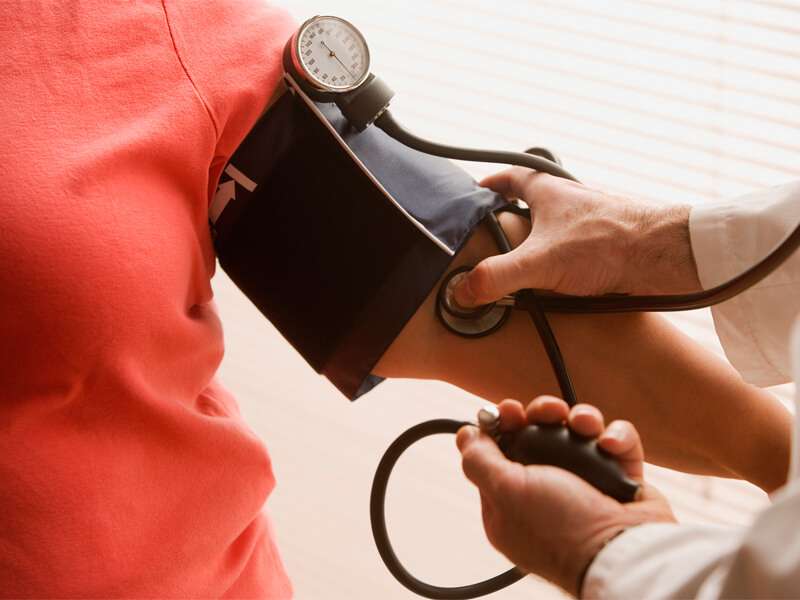
Hypertension, commonly known as high blood pressure, is a prevalent condition that can lead to serious health issues if left untreated. It occurs when the force of blood against the artery walls is too high, which can strain the heart and damage blood vessels over time.
- Symptoms: Many individuals with hypertension may not experience noticeable symptoms; however, some may suffer from headaches, shortness of breath, or nosebleeds in severe cases.
- Diagnosis: Blood pressure readings are typically taken using a sphygmomanometer. A single elevated reading does not confirm hypertension; multiple readings are necessary over time for an accurate diagnosis.
- Treatment Options: Management often includes lifestyle changes such as maintaining a healthy diet, regular exercise, and avoiding excessive alcohol and salt intake. Medications may also be prescribed to help regulate blood pressure.
- What to Expect: Regular monitoring of blood pressure is essential. Patients should expect follow-up appointments to adjust treatment plans as necessary.
With early detection and proper management, hypertension can be effectively controlled, significantly reducing the risk of complications like heart disease and stroke.