
Dr B S Pradhan
About Me
Dr B S Pradhan
MBBS
General Physician
10 Years Experience
Biography
My Clinic
OPD Hours
| Monday | Morning | 10:00 AM | - | 02:00 PM |
| Evening | 06:00 PM | - | 09:00 PM | |
| Tuesday | Morning | 10:00 AM | - | 02:00 PM |
| Evening | 06:00 PM | - | 09:00 PM | |
| Wednesday | Morning | 10:00 AM | - | 02:00 PM |
| Evening | 06:00 PM | - | 09:00 PM | |
| Thursday | Morning | 10:00 AM | - | 02:00 PM |
| Evening | 06:00 PM | - | 09:00 PM | |
| Friday | Morning | 10:00 AM | - | 02:00 PM |
| Evening | 06:00 PM | - | 09:00 PM | |
| Saturday | Morning | 10:00 AM | - | 02:00 PM |
| Evening | 06:00 PM | - | 09:00 PM | |
| Sunday | Morning | 10:00 AM | - | 02:00 PM |
| Evening | 06:00 PM | - | 09:00 PM |
Treatments
Specialised care and treatments offered
IRON DEFICIENCY ANEMIA
A common blood disorder that arises when your body lacks adequate iron needed for producing healthy red blood cells. This results in reduced oxygen delivery throughout the body causing fatigue and weakness in affected individuals.
- Symptoms & Causes: Fatigue, pale skin, shortness of breath; frequently due to poor diet , chronic blood loss , or absorption issues .
- Diagnostic Tools: Complete blood count (CBC) reveals low hemoglobin ; serum ferritin assesses iron stores .
- Treatment Options : Oral iron supplements combined with addressing underlying causes ; dietary counseling increases iron intake naturally .
- Follow -Up : Regular lab evaluations monitor response ; severe cases might need intravenous iron therapies .
Proper diagnosis coupled with consistent management restores energy levels avoiding complications linked with untreated anemia .
HYPOTHYROIDISM

This condition occurs when the thyroid gland does not produce enough hormones needed for regulating metabolism. It can develop slowly over years impacting various body systems subtly at first.
- Syndrome Features & Etiology: Fatigue, weight gain, cold intolerance; commonly caused by autoimmune conditions like Hashimoto’s thyroiditis or iodine deficiency.
- The Diagnosis Process: Blood tests measuring thyroid-stimulating hormone (TSH) confirm low hormone activity consistent with hypothyroidism diagnosis. Treatment Plan: Lifelong daily thyroid hormone replacement therapy effectively restores normal metabolic function.
ACUTE GASTROENTERITIS

An infection causing inflammation of the stomach and intestines leads to sudden onset diarrhea and vomiting. It’s commonly caused by viruses but sometimes bacteria or parasites are responsible.
- Main Causes & Symptoms: Viral infections like norovirus; presents with frequent loose stools, nausea, abdominal cramps, sometimes fever.
- Diagnostic Evaluation: Usually clinical based on history; stool tests reserved for severe or persistent cases to identify specific pathogens.
- Treatment Strategy: Most cases resolve with hydration using oral rehydration solutions; antibiotics rarely needed unless bacterial infection confirmed.
- Caution & Prevention: Good hand hygiene prevents spread; avoid contaminated food/water sources for prevention;
The primary goal is maintaining fluid balance while allowing the illness to run its typical course safely at home in most situations.
CHRONIC OBSTRUCTIVE PULMONARY DISEASE (COPD)
COPD refers to progressive lung diseases that cause airflow blockage making breathing difficult. It commonly develops due to long-term exposure to irritants like cigarette smoke or pollution.
- Signs & Symptoms: Persistent cough with mucus, breathlessness during activities, wheezing, frequent respiratory infections.
- Diagnostic Methods: Pulmonary function tests such as spirometry measure lung capacity and airflow obstruction severity.
- Treatment Approaches: Smoking cessation is vital; inhaled bronchodilators and corticosteroids help ease symptoms; oxygen therapy in advanced cases.
- Lifestyle Management: Pulmonary rehabilitation including exercises improves breathing efficiency and quality of life.
Lifelong management focuses on symptom control, slowing progression, preventing exacerbations to maintain independence for patients living with COPD.
TYPE 2 DIABETES MELLITUS

This metabolic disorder affects how your body processes glucose, leading to elevated blood sugar levels. It is prevalent among adults but increasingly seen in younger populations due to lifestyle factors.
- Symptoms & Causes: Includes frequent urination, excessive thirst, fatigue; often associated with obesity and family history.
- Diagnosis: Blood tests such as fasting glucose and HbA1c help identify diabetes by measuring sugar levels over time.
- Treatment: Lifestyle changes focused on diet and exercise are first-line; medications like metformin may be prescribed when necessary.
- Monitoring & Management: Regular glucose testing and medical reviews prevent complications such as neuropathy or cardiovascular disease.
A comprehensive approach incorporating medication adherence and lifestyle adjustment is key for maintaining good quality of life with diabetes.
HYPERTENSION MANAGEMENT
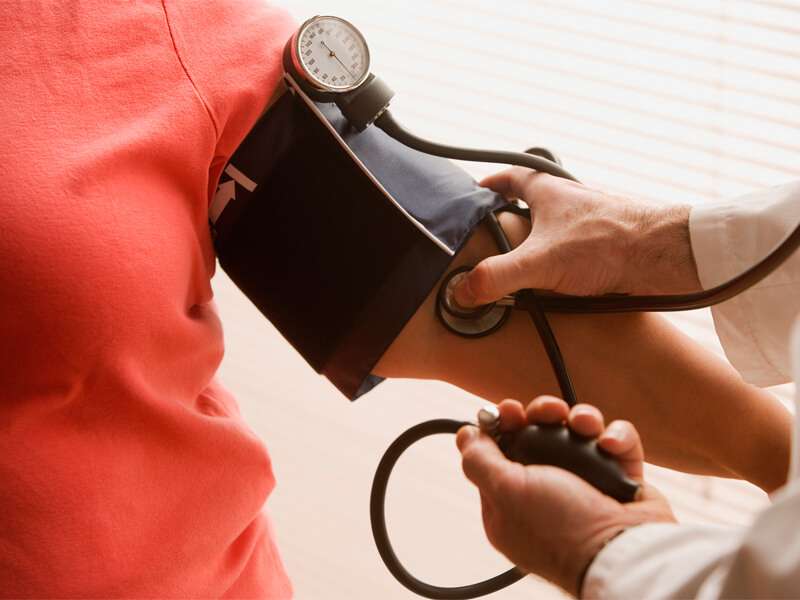
High blood pressure, or hypertension, is a common condition where the force of blood against artery walls is consistently too high. It often has no symptoms but can lead to serious health issues if uncontrolled.
- Causes and Symptoms: Often linked to genetics, lifestyle, diet, and stress; symptoms may be absent or include headaches and dizziness.
- Diagnosis: Regular blood pressure measurements taken in doctor's office or via ambulatory monitoring confirm elevated levels.
- Treatment Options: Lifestyle changes such as diet modification and exercise; medications including ACE inhibitors, beta-blockers, and diuretics.
- Management: Routine follow-up visits to monitor blood pressure and adjust therapy as needed.
- Expectations: With proper management, risk of complications like stroke and heart attack is significantly reduced.
Effective control of hypertension involves a combination of medical treatment and lifestyle adjustments to safeguard long-term cardiovascular health.