
Dr B N Singh
About Me
Dr B N Singh
MBBS
Dermatologist
10 Years Experience
Biography
My Clinic
OPD Hours
| Monday | Morning | 10:00 AM | - | 02:00 PM |
| Evening | 06:00 PM | - | 09:00 PM | |
| Tuesday | Morning | 10:00 AM | - | 02:00 PM |
| Evening | 06:00 PM | - | 09:00 PM | |
| Wednesday | Morning | 10:00 AM | - | 02:00 PM |
| Evening | 06:00 PM | - | 09:00 PM | |
| Thursday | Morning | 10:00 AM | - | 02:00 PM |
| Evening | 06:00 PM | - | 09:00 PM | |
| Friday | Morning | 10:00 AM | - | 02:00 PM |
| Evening | 06:00 PM | - | 09:00 PM | |
| Saturday | Morning | 10:00 AM | - | 02:00 PM |
| Evening | 06:00 PM | - | 09:00 PM | |
| Sunday | Morning | 10:00 AM | - | 02:00 PM |
| Evening | 06:00 PM | - | 09:00 PM |
Treatments
Specialised care and treatments offered
WART REMOVAL TREATMENTS
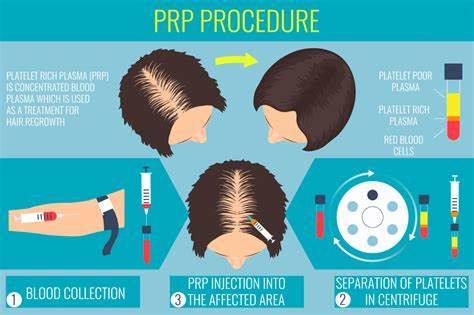
Warts are benign growths caused by human papillomavirus (HPV) infections affecting the outer layer of skin. They can appear anywhere but commonly develop on hands or feet in children as well as adults alike.
- Description & Cause : Rough textured lesions resulting from viral infection penetrating through small breaks in the skin;
- Differential Diagnosis & Confirmation : Visual diagnosis during physical exam usually sufficient though dermoscopy assists fine differentiation;
- Treatment Choices : Include salicylic acid applications creating peeling effect; cold therapy (cryotherapy); surgical removal under local anesthesia if needed; immunotherapy options for resistant types;
- The Recovery Process : Warts may require multiple sessions for complete clearance; some recurrence possible hence follow-up care essential; skin healing post-treatment might be slightly sensitive temporarily. p> v ul p>This widely encountered condition has many effective options available – appropriate treatment selection depends on wart type,size,and patient preference along with minimizing discomfort during therapy.
MELASMA
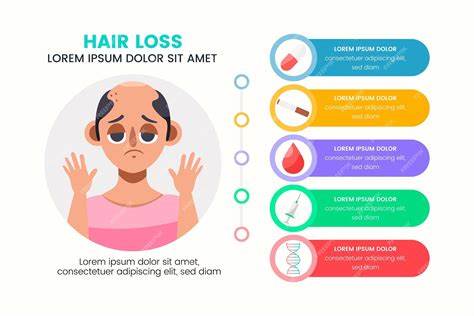
A commonly observed pigmentary disorder characterized by brownish patches typically appearing on sun-exposed facial areas such as cheeks, forehead, and upper lip. Melasma is more frequent among women during hormonal changes like pregnancy or contraceptive use.
- Causal Factors & Symptoms :This involves hyperactive melanocytes producing excessive melanin causing symmetrical dark spots without other major symptoms;
- The Diagnostic Process :A clinical exam complemented occasionally by dermoscopy helps exclude other causes;
- Treatment Modalities :Sunscreen application daily is crucial no matter what treatment is used; topical agents like hydroquinone-based creams lighten pigmentation; certain laser therapies might be employed cautiously;
- The Patient Experience : must understand treatment requires patience with gradual improvements while preventing recurrence through strict sun avoidance; counseling about realistic expectations is important.
An integrated strategy combining preventive care plus medical interventions optimizes outcomes in managing melasma effectively. p>
VITILIGO
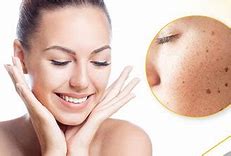
This condition causes loss of pigment in patches on the skin due to destruction of melanocytes. Vitiligo may affect any age group and often presents as well-defined white spots that progressively enlarge over time.
- Main Features & Causes:Pale or white depigmented macules frequently symmetrically distributed; exact cause unknown but considered autoimmune-related.
- Diagnostic Criteria:Largely clinical diagnosis using Wood’s lamp examination to highlight affected areas;
- Treatment Options : Topical corticosteroids or calcineurin inhibitors initially; phototherapy (narrowband UVB) for widespread disease;
- The Outlook : Response varies widely—early treatment improves chances of repigmentation but careful sun protection remains vital.
A compassionate approach focusing on cosmetic improvement alongside psychological support helps patients cope effectively with vitiligo challenges.
ACNE VULGARIS
Acne vulgaris is a common skin condition mainly affecting adolescents but can persist into adulthood. It involves inflammation of hair follicles leading to pimples, blackheads, whiteheads, or cysts primarily on the face, chest, or back.
- Causes & Symptoms: Blocked pores due to excess oil production and bacteria causing redness and pustules; hormonal changes often play a role.
- Diagnosis Approach: Clinical evaluation based on lesion types and distribution pattern.
- Treatment Methods: Topical retinoids, antibiotics, benzoyl peroxide; oral treatments for moderate to severe acne include antibiotics or hormonal therapies.
- User Expectations: Improvement occurs gradually over weeks to months with adherence to treatment; skincare modifications help prevent flare-ups.
A tailored regimen combined with patience usually yields good results in acne management while minimizing scarring risks.
PSORIASIS
Psoriasis is an autoimmune disorder characterized by rapid skin cell turnover leading to thickened, scaly plaques that can appear anywhere on the body. It affects people of various ages and tends to have a chronic relapsing course.
- Symptoms & Causes: Raised red patches covered with silvery-white scales; itching or soreness; linked to genetic factors and immune system dysfunction.
- Diagnosis: Clinical examination supplemented by skin biopsy if uncertain.
- Treatment Options: Topical treatments including corticosteroids and vitamin D analogues; phototherapy; systemic medications in severe cases.
- What Patients Should Know: Many experience periods of remission; lifestyle factors like stress reduction can help control symptoms.
Treatment plans are individualized aiming to reduce inflammation and skin cell buildup for better comfort and appearance.
ATOPIC DERMATITIS (ECZEMA)
Atopic dermatitis, commonly called eczema, is a chronic inflammatory skin condition that causes itchy, red, and dry patches on the skin. It often starts in childhood but can affect people of all ages.
- Symptoms and Causes: Persistent itching, redness, scaling, and sometimes oozing; triggered by allergens, irritants, dry skin, or stress.
- Diagnosis: Primarily clinical based on appearance and patient history; patch testing may be done to identify allergens.
- Treatment and Management: Regular moisturizing with emollients; topical corticosteroids or calcineurin inhibitors to reduce inflammation; avoiding triggers and irritants.
- What to Expect: Flare-ups may occur periodically but are controllable with proper skincare and medications; long-term management is important.
Understanding the triggers and maintaining a consistent skincare routine are key for managing this condition effectively and improving quality of life.