
Dr B L Gupta
About Me
Dr B L Gupta
MS
Orthopaedic Surgeons
10 Years Experience
Biography
My Clinic
OPD Hours
| Monday | Morning | 10:00 AM | - | 02:00 PM |
| Evening | 06:00 PM | - | 09:00 PM | |
| Tuesday | Morning | 10:00 AM | - | 02:00 PM |
| Evening | 06:00 PM | - | 09:00 PM | |
| Wednesday | Morning | 10:00 AM | - | 02:00 PM |
| Evening | 06:00 PM | - | 09:00 PM | |
| Thursday | Morning | 10:00 AM | - | 02:00 PM |
| Evening | 06:00 PM | - | 09:00 PM | |
| Friday | Morning | 10:00 AM | - | 02:00 PM |
| Evening | 06:00 PM | - | 09:00 PM | |
| Saturday | Morning | 10:00 AM | - | 02:00 PM |
| Evening | 06:00 PM | - | 09:00 PM | |
| Sunday | Morning | 10:00 AM | - | 02:00 PM |
| Evening | 06:00 PM | - | 09:00 PM |
Treatments
Specialised care and treatments offered
ANKLE SPRAINS TREATMENT
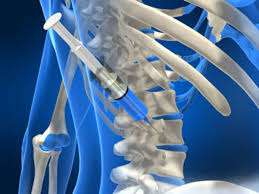
Ankle sprains occur when ligaments supporting the ankle stretch beyond their limits leading often painful injury situations requiring appropriate interventions!
- Symptoms usually feature immediate swelling alongside tenderness around injured areas inhibiting movement capability temporarily!
- Diagnosis involves preliminary assessments coupled with diagnostic imaging if needed revealing severity factor per each case studied thoroughly before suggesting next steps involving possible treatment avenues!
- Options may vary from rest methods employing ice compression strategies up until comprehensive physical therapy regimens aiming towards restoring functional integrity fully over time thereafter rehabilitating affected joints safely back into action once healed sufficiently!
- Pain relief maintains importance order throughout entire continuum guiding optimal recoveries while actively preventing reinjury episodes formulating well-rounded preventative programs tailored individually according needs encountered regularly based on feedback provided during sessions overall analysis deemed beneficial aid continuously onwards following initial phases identified early thereby yielding positive outcomes long term overall health perspectives maintained consistently !
Adequate care ensures swift resolutions facilitating returns towards active lifestyles whilst minimizing further issues arising repeatedly occurring so proactive measures instill comforting benefits!
CARPAL TUNNEL RELEASE
This surgical procedure alleviates pressure on the median nerve within the wrist caused by carpal tunnel syndrome. This condition leads to numbness, tingling, or weakness in the hand and fingers due to nerve compression over time.
- Common symptoms include persistent pain in hand/arm especially during nighttime activities or repetitive motions like typing at work.
- A clinical evaluation supported by nerve conduction tests confirms diagnosis around carpal tunnel syndrome accurately before proceeding with any surgical options available today!
- Surgery aims at enlarging this confined space within your wrist providing relief while restoring normal function across all fingers impacted by this syndrome effectively!
- Significant improvements seen include reduced numbness/pain alleviation helping encourage easier participation into everyday tasks successfully!
Postoperative follow-up care remains crucial aiding fullest recovery enabling return pre-injury lifestyle promptly!
HIP REPLACEMENT SURGERY

This procedure involves replacing damaged parts of the hip joint with prosthetic components. It’s often recommended for those suffering from severe arthritis or major hip injuries.
- Pain during movement, stiffness, and reduced range of motion are key symptoms prompting evaluation for potential surgery.
- A thorough assessment involving physical exams and imaging studies assists in establishing eligibility for hip replacement surgery.
- The surgery aims at relieving pain and improving mobility through resurfacing or total hip replacement techniques based on individual cases.
- Post-surgical care includes physical therapy, focusing on strengthening muscles around the hip joint while ensuring proper healing occurs without complications.
An effective rehabilitation plan post-hip replacement can lead patients back to engaging in their daily routines with improved quality of life after recovery from surgery.
ROTATOR CUFF REPAIR

The rotator cuff is a group of muscles and tendons that stabilize the shoulder joint. Injuries can lead to significant pain and functional limitations.
- Pain in the shoulder, weakness when lifting items, or a catching sensation are common symptoms associated with rotator cuff tears.
- A healthcare provider will diagnose this condition using a patient history assessment along with imaging tests like ultrasound or MRI.
- Treatment options could involve rest, physiotherapy, or surgery for complete tears that don’t respond effectively to conservative measures.
- Pain relief strategies are also an integral part of the management plan while recovery progresses.
- Post-operative rehabilitation often requires consistent commitment from patients for optimal results and regaining full function of the shoulder joint.
Surgical success rates are high among those who adhere closely to rehabilitation protocols following rotator cuff repair procedures.
ACL RECONSTRUCTION

An ACL tear is a common knee injury that often affects athletes. The anterior cruciate ligament (ACL) plays a vital role in stabilizing the knee joint.
- The most common symptoms include sudden swelling, pain, and instability in the knee.
- A comprehensive evaluation including physical exams and MRI scans helps in the diagnosis of ACL injuries.
- Treatment may involve surgical reconstruction, especially for active individuals who wish to continue sports.
- Rehabilitation is critical post-surgery to restore range of motion and strength through guided exercises.
- Long-term outlook after ACL reconstruction can be excellent with proper care during recovery.
A proactive approach helps patients achieve their desired activity levels post-recovery from an ACL injury.
FRACTURE MANAGEMENT

Fractures are breaks in the bone that can occur due to trauma, medical conditions, or repetitive stress. Proper management is crucial to ensure optimal healing and restore function.
- Symptoms often include severe pain, swelling, and difficulty moving the affected area.
- The diagnosis is typically made through physical examinations and imaging studies such as X-rays or CT scans.
- Treatment options range from immobilization with casts to surgical intervention for more complex fractures.
- In rehabilitation, physical therapy may be necessary to regain strength and mobility.
- Pain management is important during recovery stages to improve comfort and expedite healing.
Timely assessment and treatment of fractures can significantly enhance recovery outcomes, allowing individuals to return to their daily activities.