
Dr B B Soin
About Me
Dr B B Soin
MBBS
Dermatologist
10 Years Experience
Biography
My Clinic
OPD Hours
| Monday | Morning | 10:00 AM | - | 02:00 PM |
| Evening | 06:00 PM | - | 09:00 PM | |
| Tuesday | Morning | 10:00 AM | - | 02:00 PM |
| Evening | 06:00 PM | - | 09:00 PM | |
| Wednesday | Morning | 10:00 AM | - | 02:00 PM |
| Evening | 06:00 PM | - | 09:00 PM | |
| Thursday | Morning | 10:00 AM | - | 02:00 PM |
| Evening | 06:00 PM | - | 09:00 PM | |
| Friday | Morning | 10:00 AM | - | 02:00 PM |
| Evening | 06:00 PM | - | 09:00 PM | |
| Saturday | Morning | 10:00 AM | - | 02:00 PM |
| Evening | 06:00 PM | - | 09:00 PM | |
| Sunday | Morning | 10:00 AM | - | 02:00 PM |
| Evening | 06:00 PM | - | 09:00 PM |
Treatments
Specialised care and treatments offered
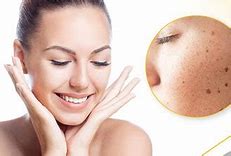
MELASMA
This pigmentary disorder typically results in symmetrical brownish patches appearing most commonly on sun-exposed facial areas such as cheeks, forehead, upper lip. Hormonal influences strongly affect its manifestation particularly among women during pregnancy or contraceptive use phases known colloquially as 'mask of pregnancy.'
SEBORRHEIC DERMATITIS
This condition manifests as a chronic inflammatory reaction predominantly affecting oily regions such as scalp, chest sides, and face. It's often characterized by flaky scales accompanied by redness that can cause discomfort but is generally harmless medically.
VITILIGO
An autoimmune issue causing loss of pigment-producing cells leads to well-defined white patches on the skin. It affects people worldwide regardless of age or gender without pain or itchiness generally present.
- Pigmentation changes: Characteristic depigmented macules often symmetrical affecting face, hands, or genital areas prominently involved areas vary per individual.
- Causation theories: Autoimmune destruction alongside genetic susceptibility factors play roles in development of vitiligo.
- Simplified diagnosis:: Clinical observation suffices; Wood's lamp examination helps highlight affected zones more precisely especially in early stages.
- Therapeutic options: Treatments include phototherapy (narrowband UVB), topical corticosteroids or calcineurin inhibitors aimed at repigmentation efforts.
- Patient expectations: Though challenging to treat completely, many respond positively restoring pigmentation partially thereby improving confidence.
Supportive counseling remains vital given psychological impact linked with visible changes in appearance.
ATOPIC DERMATITIS
This chronic inflammatory skin disease causes dry, itchy eczema commonly seen in children but also adults. It results from genetic predisposition combined with environmental triggers disrupting the skin barrier.
- Main symptoms: Intense itching with red patches mostly on flexural areas like elbows and knees.
- Identification: Mainly clinical diagnosis supported by history of allergic conditions such as asthma or hay fever.
- Treatment guidelines: Emphasis on regular moisturizer use and topical anti-inflammatory agents like corticosteroids or calcineurin inhibitors.
- Avoidance measures: Limiting exposure to irritants such as harsh soaps or allergens aids control of flares.
- Lifestyle considerations: Stress management and maintaining a humid environment can reduce symptom severity over time.
Eczema requires ongoing care but effective strategies can significantly alleviate discomfort and prevent complications.
ACNE VULGARIS
This skin disorder affects the hair follicles and oil glands, primarily leading to pimples and sometimes cystic lesions. It is most prevalent during adolescence but can persist into adulthood.
- Symptoms: Manifestations include blackheads, whiteheads, papules, pustules, and occasionally nodules mainly on face, chest, and back.
- Causes: Hormonal fluctuations increase sebum production alongside bacterial colonization contributing to inflammation.
- Diagnosis: Diagnosis is mainly clinical based on lesion type and distribution pattern.
- Treatment approaches: Range from topical retinoids and antibiotics to oral medications like isotretinoin for resistant cases.
- Patient expectations: Treatment may take weeks to months; avoiding picking lesions reduces scarring risk.
A comprehensive approach focusing on consistent treatment improves long-term outcomes for acne sufferers.
PSORIASIS
Psoriasis is a common chronic skin condition characterized by inflamed, scaly patches that can appear anywhere on the body. It stems from an accelerated skin cell lifecycle leading to buildup and irritation.
- Causes and symptoms: Psoriasis is an autoimmune disorder causing red, itchy, and often silvery-scaled plaques; joints may also be affected in some cases.
- Diagnosis: Typically involves clinical examination complemented by skin biopsy if uncertain.
- Treatment options: Includes topical corticosteroids, vitamin D analogs, phototherapy, and systemic medications in severe cases.
- Management strategies: Lifestyle adjustments such as stress reduction and moisturizing are important for flare-up control.
- What to expect: While there is no cure, regular treatment helps manage symptoms and improve quality of life.
Understanding this lifelong condition enables better management with your healthcare provider’s support.