
Dr Azeem
About Me
Dr Azeem
B.P.T
Physiotherapist
10 Years Experience
Biography
My Clinic
OPD Hours
| Monday | Morning | 10:00 AM | - | 02:00 PM |
| Evening | 06:00 PM | - | 09:00 PM | |
| Tuesday | Morning | 10:00 AM | - | 02:00 PM |
| Evening | 06:00 PM | - | 09:00 PM | |
| Wednesday | Morning | 10:00 AM | - | 02:00 PM |
| Evening | 06:00 PM | - | 09:00 PM | |
| Thursday | Morning | 10:00 AM | - | 02:00 PM |
| Evening | 06:00 PM | - | 09:00 PM | |
| Friday | Morning | 10:00 AM | - | 02:00 PM |
| Evening | 06:00 PM | - | 09:00 PM | |
| Saturday | Morning | 10:00 AM | - | 02:00 PM |
| Evening | 06:00 PM | - | 09:00 PM | |
| Sunday | Morning | 10:00 AM | - | 02:00 PM |
| Evening | 06:00 PM | - | 09:00 PM |
Treatments
Specialised care and treatments offered
ERGONOMIC ASSESSMENT & TRAINING
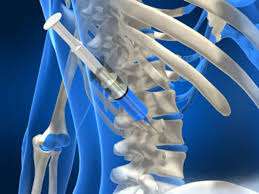
An ergonomic assessment helps optimize workspace design for better posture and efficiency. This process reduces risks associated with repetitive strain injuries commonly seen in office settings.
- Main symptoms requiring evaluation could include discomfort in the neck, back fatigue due to prolonged sitting positions alongside wrist pains caused by improper keyboard usage.
- The assessment involves analyzing workstation setup including chair height , desk alignment then providing recommendations aimed at correcting postural imbalances identified during evaluations .
- After adjusting work environments accordingly , your physiotherapist can guide patients through educational components that promote healthy work habits moving forward .
- Emphasis is placed not only upon immediate comfort improvements but also fostering long-term well-being at work leading into better productivity levels overall .
A continued focus on ergonomic practices fosters a healthier workplace through preventive measures mitigating future complications down the road effectively .
NEUROLOGICAL REHABILITATION
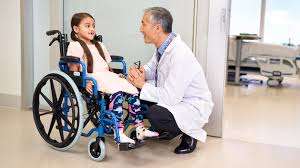
Neurological rehabilitation assists individuals recovering from various neurological disorders such as stroke or multiple sclerosis. Its aim is functional independence through tailored interventions
- Difficulties experienced can include impaired movement control, balance issues, or weakness in certain muscle groups following neurological events.
- An initial diagnostic evaluation guides treatment planning based on specific sensory-motor deficits observed during assessments conducted by your physiotherapist.
- A comprehensive rehabilitation program encompasses customized exercise routines focusing on enhancing coordination alongside mobility training while considering patient safety at all times .
- Improvement expectations are set according to personal progress rates determined through regular monitoring throughout sessions .
By actively participating in their rehabilitation journey , patient outcomes often improve significantly over time .
JOINT MOBILIZATION TECHNIQUES

Joint mobilization techniques are utilized in physiotherapy to enhance joint function and alleviate stiffness. These methods promote healthy movement patterns within the body’s joints.
- The need for joint mobilization often arises from conditions causing pain or restricted mobility due to inflammation or injury.
- A thorough assessment usually precedes treatment to identify specific problem areas within the joints involved.
- Treatment may involve various manual therapy techniques designed to restore range of motion while reducing discomfort over time.
- Pain relief can also be enhanced through complementary exercise programs focusing on flexibility and strength improvement around affected joints
This holistic approach offers patients a pathway towards improved mobility and quality of life overall.
BACK PAIN MANAGEMENT

Chronic back pain affects millions and can significantly impact daily life. Understanding its causes and management strategies is crucial for lasting relief.
- This condition can arise from a variety of factors including poor posture, muscle strain, or underlying health conditions.
- Diagnosis often includes a detailed patient history followed by physical examinations or imaging studies as needed.
- Treatment typically incorporates physiotherapy techniques, including strengthening exercises tailored to individual needs and ergonomic advice.
- Your physiotherapist might also use modalities like electrotherapy to help reduce pain levels effectively.
- A proactive approach will focus on lifestyle adjustments alongside therapeutic interventions to support long-term wellness.
With the right management plan in place, many individuals experience a significant reduction in pain symptoms over time.
POST-SURGICAL REHABILITATION

Post-surgical rehabilitation is vital for recovery after orthopedic procedures. It helps patients restore function and strength while minimizing complications.
- The surgery's nature dictates the specific recovery timeline and rehabilitation techniques used.
- Common symptoms requiring attention include swelling, stiffness, and pain in the operated area.
- A personalized treatment plan usually focuses on gentle movements initially before gradually increasing the intensity of physiotherapy exercises.
- Your physiotherapist might incorporate modalities, including heat or cold therapy, to alleviate discomfort during recovery sessions.
- The goal of post-surgical care is not just healing but also regaining full functionality for daily activities.
A structured approach ensures that patients can return to their normal lives as quickly and efficiently as possible.
SPORTS INJURIES

Sports injuries are common among athletes and can range from minor strains to severe tears. Understanding the nature of these injuries is essential for effective recovery.
- Symptoms may include pain, swelling, bruising, or limited ability to move the affected area.
- Diagnosis often involves a physical examination and may require imaging tests like X-rays or MRIs.
- Treatment options typically include rest, ice application, compression, elevation (RICE), along with targeted physiotherapy exercises.
- Additionally, manual therapy and modalities such as ultrasound may be used to facilitate healing.
- A comprehensive rehabilitation program is crucial to return to sports safely.
By addressing these injuries proactively, athletes can regain strength and prevent future occurrences effectively.