
Dr AWADHESH PANDE
About Me
Dr AWADHESH PANDE
MBBS
General Physician
10 Years Experience
Biography
My Clinic
OPD Hours
| Monday | Morning | 10:00 AM | - | 02:00 PM |
| Evening | 06:00 PM | - | 09:00 PM | |
| Tuesday | Morning | 10:00 AM | - | 02:00 PM |
| Evening | 06:00 PM | - | 09:00 PM | |
| Wednesday | Morning | 10:00 AM | - | 02:00 PM |
| Evening | 06:00 PM | - | 09:00 PM | |
| Thursday | Morning | 10:00 AM | - | 02:00 PM |
| Evening | 06:00 PM | - | 09:00 PM | |
| Friday | Morning | 10:00 AM | - | 02:00 PM |
| Evening | 06:00 PM | - | 09:00 PM | |
| Saturday | Morning | 10:00 AM | - | 02:00 PM |
| Evening | 06:00 PM | - | 09:00 PM | |
| Sunday | Morning | 10:00 AM | - | 02:00 PM |
| Evening | 06:00 PM | - | 09:00 PM |
Treatments
Specialised care and treatments offered
DIABETIC KETOACIDOSIS (DKA)
This life-threatening diabetic complication results from insulin deficiency leading to high blood sugar levels accompanied by ketone accumulation producing acidosis. DKA requires urgent hospital care for stabilization stepwise management aims at correcting metabolic imbalances rapidly yet safely preserving vital functions concurrently provide glucose support once ketosis begins reversing.
Important features suggestive include deep rapid breathing (Kussmaul respiration), vomiting abdominal pain confusion excessive thirst frequent urination.
Diagnosis involves demonstrating high blood glucose levels ketones positive urine/blood chemistry altered electrolytes low arterial pH where diagnosis confirmed laboratory investigations assist showing severity extent guiding treatment decisions envisaged successfully alleviating acute crisis.
Treatment calls for intravenous fluids electrolyte replacement careful insulin administration continual monitoring blood sugar acid-base balance avoiding precipitous fall glucose preventing cerebral edema lowering mortality risk hence essential multidisciplinary approach required ensuring optimal outcomes consistently achieved.
Prompt recognition management crucial saving lives restoring homeostasis enabling patients return safe stable health status expeditiously enhanced quality life maintained ongoing diabetes control adherence emphasized paramount importance ensuring future episodes prevented effectively.
URINARY TRACT INFECTION (UTI)

This common infection affects any part of the urinary system including bladder and urethra. It mostly occurs due to bacterial invasion leading to discomfort and other urinary symptoms.
- Pivotal Symptoms: Frequent urge to urinate, burning sensation during urination, cloudy urine often indicate UTI presence requiring evaluation.
- Epidemiology & Causes:
ACUTE GASTROENTERITIS

An abrupt inflammation of the stomach and intestines often caused by infections leads to acute gastroenteritis. It affects digestion causing unpleasant symptoms for several days.
- Main Symptoms: Diarrhea, vomiting, abdominal cramps, nausea are hallmarks; dehydration risk arises especially in children and elderly patients.
- Causative Agents: Viruses such as norovirus dominate causes though bacteria or parasites can also be responsible depending on exposure circumstances.
- Diagnosis Approach: Typically clinical but stool tests may be ordered if symptoms are severe or prolonged beyond usual duration.
- Treatment Principles: Hydration using oral rehydration solutions remains critical; dietary adjustments along with symptomatic relief medications are employed carefully.
A well-informed approach ensures symptom control while preventing complications such as electrolyte imbalance through adequate hydration strategies.
COMMUNITY-ACQUIRED PNEUMONIA
Pneumonia acquired outside healthcare facilities is called community-acquired pneumonia (CAP). It results from infections affecting lung air sacs leading to inflammation and fluid buildup.
- Symptoms and Causes: Fever, cough with sputum, chills, fatigue are typical; bacterial infections like Streptococcus pneumoniae are common culprits.
- Diagnosis: Clinical examination supported by chest X-rays and sputum tests help confirm the diagnosis accurately.
- Treatment Options: Antibiotics tailored to likely organisms form the backbone of therapy; supportive measures include hydration and oxygen if needed.
- Prognosis: Most patients recover fully with timely treatment though elderly or those with comorbidities require close monitoring for complications.
A clear understanding facilitates early recognition and effective intervention improving health outcomes significantly in CAP cases.
HYPERTENSIVE CRISIS
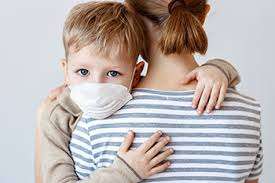
A hypertensive crisis represents an urgent or emergency elevation in blood pressure that can damage organs. Immediate medical attention is crucial to prevent severe complications.
- Symptoms: Severe headache, chest pain, shortness of breath, blurred vision, or neurological deficits may be present.
- Causes: Poorly controlled hypertension, medication non-compliance, or secondary causes like kidney disease can trigger this condition.
- Diagnosis: Blood pressure measurement above critical thresholds combined with signs of organ damage prompt diagnosis in clinical settings.
- Treatment: Requires rapid blood pressure reduction using intravenous medications under medical supervision to avoid complications.
This condition demands urgent care to stabilize blood pressure safely while evaluating the underlying cause for long-term management.
ACUTE BRONCHITIS

Acute bronchitis is an infection of the bronchial tubes that carry air to your lungs. It usually follows a cold or respiratory infection and causes inflammation and irritation.
- Symptoms and Causes: Common symptoms include coughing, wheezing, chest discomfort, and mucus production. It is often caused by viruses but can sometimes be bacterial.
- Diagnosis: Doctors diagnose it based on physical examination, patient history, and occasionally a chest X-ray if pneumonia is suspected.
- Treatment and Management: Most cases improve without antibiotics; supportive care includes rest, fluids, and over-the-counter pain relievers. Inhalers may be prescribed for wheezing.
- What to Expect: Symptoms typically last a few weeks but cough could persist longer; serious complications are rare with prompt care.
Understanding acute bronchitis helps manage symptoms effectively and avoid unnecessary antibiotic use while ensuring proper recovery.