
Dr AW Siddiqui
About Me
Dr AW Siddiqui
B.P.T
Physiotherapist
10 Years Experience
Biography
My Clinic
OPD Hours
| Monday | Morning | 10:00 AM | - | 02:00 PM |
| Evening | 06:00 PM | - | 09:00 PM | |
| Tuesday | Morning | 10:00 AM | - | 02:00 PM |
| Evening | 06:00 PM | - | 09:00 PM | |
| Wednesday | Morning | 10:00 AM | - | 02:00 PM |
| Evening | 06:00 PM | - | 09:00 PM | |
| Thursday | Morning | 10:00 AM | - | 02:00 PM |
| Evening | 06:00 PM | - | 09:00 PM | |
| Friday | Morning | 10:00 AM | - | 02:00 PM |
| Evening | 06:00 PM | - | 09:00 PM | |
| Saturday | Morning | 10:00 AM | - | 02:00 PM |
| Evening | 06:00 PM | - | 09:00 PM | |
| Sunday | Morning | 10:00 AM | - | 02:00 PM |
| Evening | 06:00 PM | - | 09:00 PM |
Treatments
Specialised care and treatments offered
GAIT ANALYSIS
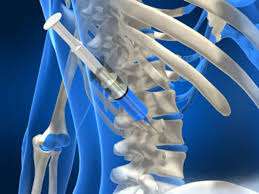
An essential component of physical assessments, gait analysis uncovers abnormalities in walking patterns that could lead to injury or indicate underlying issues.
- Symptoms might manifest as irregularities in stride length or foot placement while walking or running.
- Diagnosis involves detailed observation complemented by technology-assisted monitoring tools measuring motion dynamics.
- Treatment could involve custom orthotics prescriptions along with targeted strengthening exercises derived from analysis results.
- Monitor progress regularly allows adjustments ensuring optimal comfort levels during ambulation.
Proper gait mechanics are foundational for overall body balance; correcting these elements enhances both performance and safety during physical activity.
PEDIATRIC PHYSIOTHERAPY
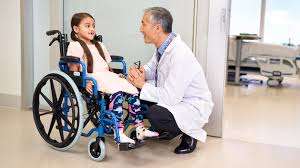
Pediatric physiotherapy addresses a wide range of developmental issues faced by children. Early intervention can help maximize potential through structured movement therapies tailored specifically for younger patients.
- Common indications for referral might include delayed motor skills, balance issues, or conditions such as cerebral palsy affecting movement abilities.
- A detailed assessment guides treatment planning based on individual needs while considering age-appropriate activities that engage children effectively.
- This may involve playful yet purposeful exercises aimed at improving strength, coordination, and flexibility—even incorporating play into therapies for better motivation!
ERGONOMIC ASSESSMENTS

An ergonomic assessment evaluates how work environments impact physical health. This process is instrumental in preventing musculoskeletal disorders associated with repetitive motions or poor posture at workstations.
- Symptoms linked with improper ergonomics may include discomfort in the neck, shoulders, back, and arms due to prolonged positioning or strain.
- The assessment process typically involves observing work habits and movements along with gathering information about reported discomforts.
- Treatment recommendations often encompass adjustments to workstation layout alongside specific exercises that promote better posture and reduce strain on muscles.
- (The goal is not only immediate relief but also educating patients about sustainable practices moving forward.)
An effective ergonomic solution fosters healthier work practices that contribute significantly to long-term well-being without sacrificing productivity.
CHRONIC PAIN MANAGEMENT

Living with chronic pain can be challenging. Physiotherapy offers various approaches designed to alleviate discomfort and enhance the quality of life for individuals suffering from persistent pain conditions.
- The causes of chronic pain may include injury history, underlying health conditions, or prolonged inactivity leading to muscle weakness.
- A thorough assessment helps in identifying specific pain sources and developing targeted interventions.
- Treatment often includes a combination of manual therapy, exercise regimens, and techniques aimed at improving overall wellness and physical function.
- Pain management may incorporate education about lifestyle modifications that contribute positively to long-term relief.
A proactive approach in managing chronic pain enables individuals to regain control over their lives while aiming for sustained improvements.
POST-SURGICAL REHABILITATION

After surgery, rehabilitation plays an essential role in restoring function and mobility. This process is tailored according to the specific surgical procedure performed.
- Common symptoms during this phase can include discomfort and limited range of motion around the surgical site.
- The healing process is monitored through regular assessments and imaging if necessary.
- Treatment usually involves individualized rehabilitation programs, which aim to gradually strengthen muscles and improve flexibility while avoiding strain on healing tissues.
- Patients can expect guidance on safe movement patterns as they transition back to daily activities.
A well-structured rehabilitation plan is vital for optimizing recovery outcomes after surgery.
SPORTS INJURIES

Sports injuries can occur due to a variety of factors, including improper technique, inadequate warm-up, or simply overuse. Understanding the nature of these injuries is crucial for effective recovery.
- Symptoms often include pain, swelling, and reduced mobility in the affected area.
- Diagnosis typically involves physical examination, imaging tests like X-rays or MRIs to assess the extent of damage.
- Treatment may include physical therapy, rest, ice application, compression, and elevation (RICE), as well as potential involvement of advanced modalities.
- Rehabilitation focuses on restoring strength and flexibility through targeted exercises.
- Patients should anticipate a gradual return to normal activities while following a structured recovery plan.
A comprehensive management approach ensures that athletes can achieve optimal performance post-injury while minimizing the risk of future issues.