
Dr Avinash Rasto
About Me
Dr Avinash Rasto
MBBS
General Physician
10 Years Experience
Biography
My Clinic
OPD Hours
| Monday | Morning | 10:00 AM | - | 02:00 PM |
| Evening | 06:00 PM | - | 09:00 PM | |
| Tuesday | Morning | 10:00 AM | - | 02:00 PM |
| Evening | 06:00 PM | - | 09:00 PM | |
| Wednesday | Morning | 10:00 AM | - | 02:00 PM |
| Evening | 06:00 PM | - | 09:00 PM | |
| Thursday | Morning | 10:00 AM | - | 02:00 PM |
| Evening | 06:00 PM | - | 09:00 PM | |
| Friday | Morning | 10:00 AM | - | 02:00 PM |
| Evening | 06:00 PM | - | 09:00 PM | |
| Saturday | Morning | 10:00 AM | - | 02:00 PM |
| Evening | 06:00 PM | - | 09:00 PM | |
| Sunday | Morning | 10:00 AM | - | 02:00 PM |
| Evening | 06:00 PM | - | 09:00 PM |
Treatments
Specialised care and treatments offered
THYROID FUNCTION DISORDER MONITORING
The thyroid gland plays a critical role in regulating metabolism. Detecting imbalance early helps manage symptoms before significant health issues arise.
- Typical symptoms:Fatigue,palpitation,chills or heat intolerance,mood changes can signal dysfunction.
- Assessment:Blood tests measuring TSH,T3,and T4 levels provide diagnostic clarity.
- Management strategies:Medications either supplementing thyroid hormone or reducing overactivity according to diagnosis.
- Regular follow-up:Routine monitoring adjusts therapy ensuring optimal hormone balance.
A systematic approach maintains metabolic health contributing to energy balance and overall wellness.
ACUTE RESPIRATORY INFECTION CARE

Acutely developing infections in the respiratory tract require attentive care for symptom relief and prevention of worsening illness. Prompt recognition enhances recovery prospects.
- Clinical Features: Coughing,sore throat,nasal congestion,and occasionally fever characterize these infections.
- Diagnosis:Primarily clinical evaluation supported by investigations if bacterial infection is suspected.
- Treatment:Symptomatic management with analgesics,decongestants,and sometimes antibiotics when bacterial causes are confirmed.
- Precautions:Adequate rest,hydration,and avoiding irritants facilitate healing.
- Outcome:Most cases resolve uneventfully with good supportive care.
Timely intervention maintains respiratory function while reducing discomfort until complete resolution occurs.
ANEMIA EVALUATION AND TREATMENT
Anemia refers to a reduced number of healthy red blood cells leading to decreased oxygen transport. Identifying underlying causes is essential for targeted treatment.
- Signs & Symptoms: Fatigue, pallor, shortness of breath on exertion are common manifestations.
- Causative Factors: Nutritional deficiencies (iron/B12), chronic disease, or blood loss can contribute.
- Diagnostic Tests:S Complete blood count (CBC), iron studies help determine type and severity of anemia.
- Therapy Options:: Nutrient supplementation or addressing the root cause such as bleeding control or managing chronic illness.
An individualized approach ensures correction of anemia improving overall wellbeing effectively over time.
COMMON COLD AND FLU MANAGEMENT
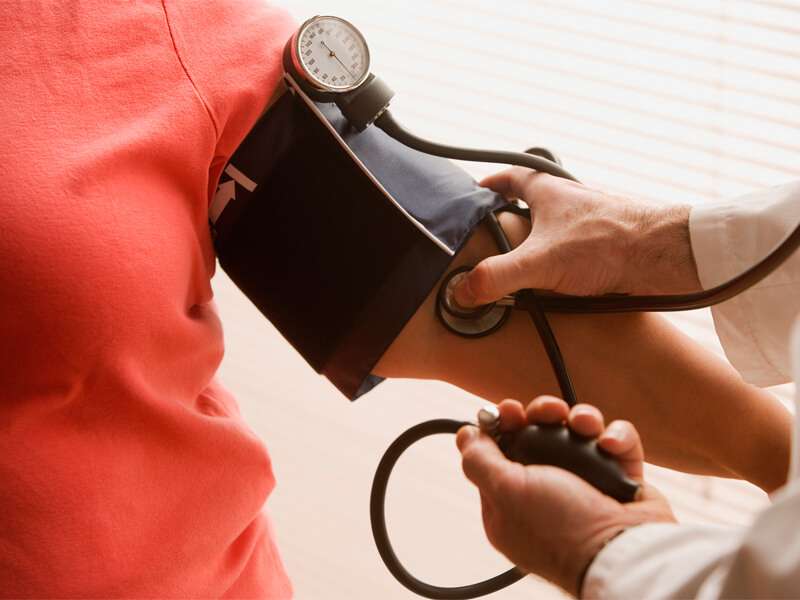
The common cold and influenza are viral infections affecting the respiratory tract. Although usually mild, proper care can speed recovery and prevent complications.
- Symptoms: Sneezing, cough, sore throat, runny nose, fever (especially in flu).
- Transmission: Spread through airborne droplets or contact with contaminated surfaces.
- Treatment: Symptomatic relief with rest, hydration, antipyretics; antiviral medications may be considered for flu in specific cases.
- Differentiation: Proper diagnosis distinguishes between cold and flu for appropriate management.
Caring for symptoms promptly helps restore comfort while minimizing contagion risks to others.
TYPE 2 DIABETES MELLITUS CARE

This chronic metabolic disorder affects how your body processes glucose. Understanding the condition is vital for maintaining health and avoiding complications.
- Causes: Insulin resistance often linked to genetics, obesity, and inactivity.
- Symptoms: Increased thirst, frequent urination, fatigue, and slow wound healing may occur.
- Diagnosis: Blood tests such as fasting glucose levels and HbA1c measurements are used.
- Treatment: Dietary regulation, regular physical activity, oral medications, or insulin therapy depending on severity.
- Monitoring: Keeping blood sugar within target reduces risks of nerve damage and cardiovascular issues.
A tailored care plan empowers patients to manage diabetes effectively on a daily basis.
HYPERTENSION MANAGEMENT
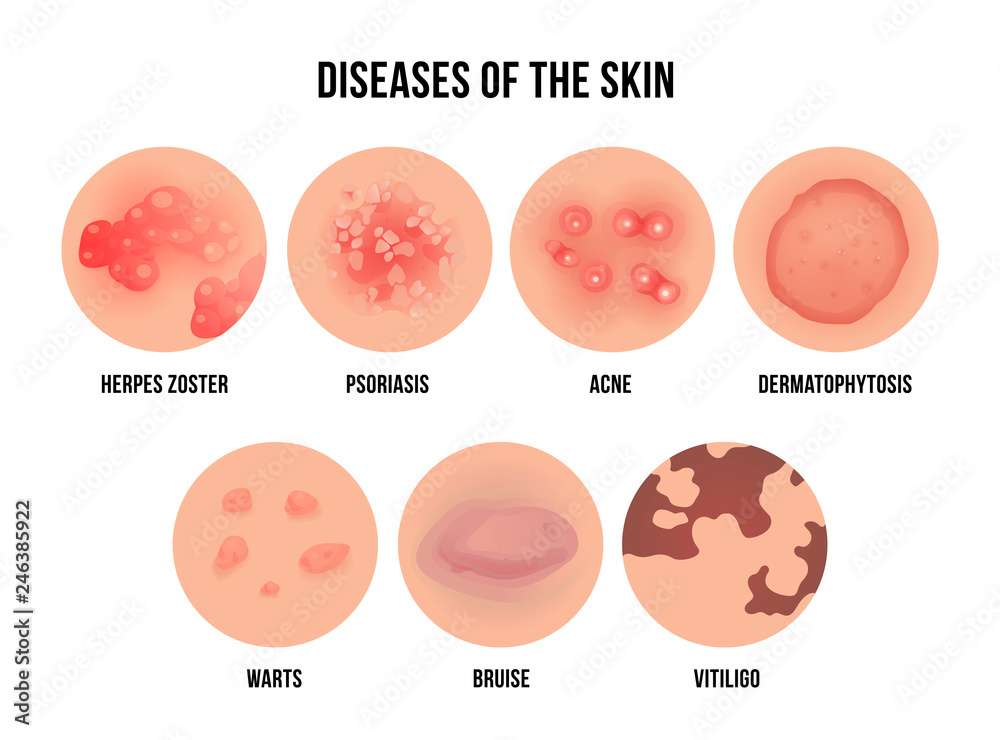
High blood pressure, or hypertension, is a common condition that requires ongoing attention to prevent serious health complications. Early identification and lifestyle adjustments are key to effective control.
- Symptoms and Causes: Often asymptomatic; risk factors include high salt intake, obesity, and stress.
- Diagnosis: Regular blood pressure readings during clinic visits help confirm elevated levels.
- Treatment: Lifestyle modifications such as diet and exercise, along with prescribed medications when necessary.
- Monitoring: Continuous monitoring ensures blood pressure stays within a safe range to reduce risks.
- Expectations: With proper management, complications like heart disease can be significantly reduced.
Managing hypertension proactively improves quality of life and minimizes long-term health problems.