
Dr Avdhesh Jain
About Me
Dr Avdhesh Jain
MBBS
General Physician
10 Years Experience
Biography
My Clinic
OPD Hours
| Monday | Morning | 10:00 AM | - | 02:00 PM |
| Evening | 06:00 PM | - | 09:00 PM | |
| Tuesday | Morning | 10:00 AM | - | 02:00 PM |
| Evening | 06:00 PM | - | 09:00 PM | |
| Wednesday | Morning | 10:00 AM | - | 02:00 PM |
| Evening | 06:00 PM | - | 09:00 PM | |
| Thursday | Morning | 10:00 AM | - | 02:00 PM |
| Evening | 06:00 PM | - | 09:00 PM | |
| Friday | Morning | 10:00 AM | - | 02:00 PM |
| Evening | 06:00 PM | - | 09:00 PM | |
| Saturday | Morning | 10:00 AM | - | 02:00 PM |
| Evening | 06:00 PM | - | 09:00 PM | |
| Sunday | Morning | 10:00 AM | - | 02:00 PM |
| Evening | 06:00 PM | - | 09:00 PM |
Treatments
Specialised care and treatments offered
ACUTE URINARY TRACT INFECTION (UTI)
A sudden onset urinary tract infection affects any part from the urethra up through the bladder potentially reaching kidneys if untreated. Prompt identification helps limit discomfort and prevents spread upwards leading to serious kidney involvement known as pyelonephritis.
.
GASTROENTERITIS

An inflammation of the stomach and intestines often caused by infections leads to acute symptoms primarily affecting digestion. This common condition resolves quickly but requires supportive care to avoid complications like dehydration.
- Main causes and manifestations:Bacterial or viral agents cause diarrhea, vomiting, abdominal cramps alongside fever occasionally present as well.
- Epidemiological considerations:The illness spreads via contaminated water or food sources emphasizing good hygiene practices for prevention purposes especially important in community settings.
DIABETIC KETOACIDOSIS (DKA)

This complication occurs predominantly in people with diabetes when insufficient insulin leads to dangerously elevated blood sugar levels accompanied by ketone build-up. It demands urgent treatment due to potential severity.
- Causative factors and symptoms: High blood glucose levels, dehydration signs like excessive thirst and urination; nausea, vomiting, abdominal pain common as well as fruity-scented breath due to ketones.
- Diagnostic criteria: Blood glucose levels above 250 mg/dL combined with metabolic acidosis (low blood pH) and elevated ketone bodies in blood or urine confirm diagnosis.
- Treatment essentials: Hospitalization for intravenous fluid replacement, insulin administration to reverse hyperglycemia, electrolyte monitoring especially potassium levels vital throughout treatment course.
If managed promptly with medical supervision, most patients recover fully without lasting effects though prevention through glucose control remains key long term strategy.
COMMUNITY-ACQUIRED PNEUMONIA
This type of pneumonia occurs outside hospital settings and involves infection of lung tissue causing inflammation. It can range from mild to severe illness depending on various factors.
- Common symptoms and causes: Fever, productive cough with purulent sputum, chest pain, breathlessness; typically bacterial pathogens like Streptococcus pneumoniae are involved.
- Diagnostic methods: Physical examination revealing crackles, chest X-ray confirmation, blood tests including white cell count help establish diagnosis.
- Treatment regimens: Empirical antibiotic therapy tailored based on severity; supportive care including hydration and oxygen therapy if necessary.
- Disease course expectations: Improvement usually begins within 48-72 hours of initiating antibiotics but full recovery might take weeks in elderly or those with comorbidities.
Pneumonia requires timely medical evaluation to avoid progression to severe respiratory distress or systemic infection complications.
HYPERTENSIVE CRISIS
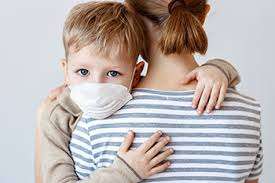
A hypertensive crisis is a dangerous elevation of blood pressure that requires urgent medical attention to prevent organ damage. Recognizing this emergency is crucial for prompt intervention.
- Signs and causes: Severe headache, chest pain, shortness of breath; commonly due to uncontrolled hypertension or medication noncompliance.
- Diagnosis: Immediate measurement of blood pressure above 180/120 mmHg plus assessment for end-organ damage through labs and imaging.
- Treatment approaches: Urgent blood pressure lowering using intravenous medications under monitored conditions in a hospital setting.
- Emergency management: Close monitoring of cardiovascular and neurological status to prevent complications such as stroke or heart failure.
If not treated promptly, hypertensive crisis may lead to life-threatening conditions. Early detection and swift management are essential for positive outcomes.
ACUTE BRONCHITIS

Acute bronchitis is an inflammation of the bronchi in the lungs, most commonly caused by viral infections. It leads to coughing and difficulty breathing but generally resolves within a few weeks with proper care.
- Symptoms and causes: Persistent cough, mucus production, wheezing, fatigue; often triggered by viral infections or irritants like smoke.
- Diagnosis: Based on clinical history, physical examination including lung auscultation; chest X-rays typically not needed unless pneumonia is suspected.
- Treatment options: Symptomatic relief with fluids, rest, cough suppressants; antibiotics rarely required unless bacterial infection is confirmed.
- Management advice: Avoid smoking and pollutants to reduce symptoms; monitor for worsening signs like high fever or persistent breathlessness.
- Expected course: Symptoms usually improve over 2-3 weeks with supportive care; complications are uncommon in healthy individuals.
The condition is usually self-limiting but timely recognition and symptom management can greatly enhance comfort during recovery.