
Dr Avantika Dental Clinic
About Me
Dr Avantika Dental Clinic
MBBS
General Physician
10 Years Experience
Biography
My Clinic
OPD Hours
| Monday | Morning | 10:00 AM | - | 02:00 PM |
| Evening | 06:00 PM | - | 09:00 PM | |
| Tuesday | Morning | 10:00 AM | - | 02:00 PM |
| Evening | 06:00 PM | - | 09:00 PM | |
| Wednesday | Morning | 10:00 AM | - | 02:00 PM |
| Evening | 06:00 PM | - | 09:00 PM | |
| Thursday | Morning | 10:00 AM | - | 02:00 PM |
| Evening | 06:00 PM | - | 09:00 PM | |
| Friday | Morning | 10:00 AM | - | 02:00 PM |
| Evening | 06:00 PM | - | 09:00 PM | |
| Saturday | Morning | 10:00 AM | - | 02:00 PM |
| Evening | 06:00 PM | - | 09:00 PM | |
| Sunday | Morning | 10:00 AM | - | 02:00 PM |
| Evening | 06:00 PM | - | 09:00 PM |
Treatments
Specialised care and treatments offered
WEIGHT MANAGEMENT COUNSELING
A weight management counseling session provides resources and guidance needed for achieving healthy weight goals. This service helps patients create sustainable habits over time rather than quick fixes that may not last long term..
- Poor dietary choices paired with lack of physical activity contribute significantly towards unhealthy weight gain; addressing these factors requires commitment from both patient & provider!
- Nutritional assessment along with lifestyle evaluations form part of initial consultations where specific individualized plans are built around achievable targets instead..
- Counseling sessions emphasize maintaining motivation while incorporating realistic changes—not some unattainable ideal! Regular follow-ups enable tracking progress too!
INFECTIOUS DISEASE CONSULTATION

An infectious disease consultation helps address various infectious conditions caused by bacteria, viruses, fungi, or parasites. Early intervention is key in managing these illnesses effectively.
- You might experience symptoms such as fever, cough, rash, fatigue depending on the infectious agent involved in your case; it’s important not to ignore them.
- Your healthcare provider will conduct a thorough clinical evaluation along with laboratory tests that may identify the specific pathogen responsible for your illness.
- Treatment options vary widely based on the type of infection but could include antibiotics for bacterial infections or antivirals for viral ones; personalized recommendations will be discussed after diagnosis.
Catching infections early allows for timely treatment that has better outcomes and reduces transmission risks in the community!
SEASONAL ALLERGY MANAGEMENT

Seasonal allergies affect many people during certain times of the year due to pollen from trees, grasses, or weeds. Managing these allergies effectively improves overall well-being during peak seasons.
- The most common symptoms include sneezing, itchy eyes, runny nose, and sinus congestion that can disrupt daily activities.
- A diagnosis is usually confirmed through medical history evaluation and allergy testing conducted in-office or via skin prick exams.
- Treatment typically includes antihistamines for symptom relief along with avoidance strategies when possible—staying indoors during high pollen days is one example.
- Your healthcare provider may also recommend nasal corticosteroids for persistent symptoms or consider immunotherapy options for long-term relief.
An individualized approach based on patient-specific triggers can significantly enhance the quality of life during allergy seasons while minimizing discomfort from symptoms.
GASTROESOPHAGEAL REFLUX DISEASE (GERD) EVALUATION
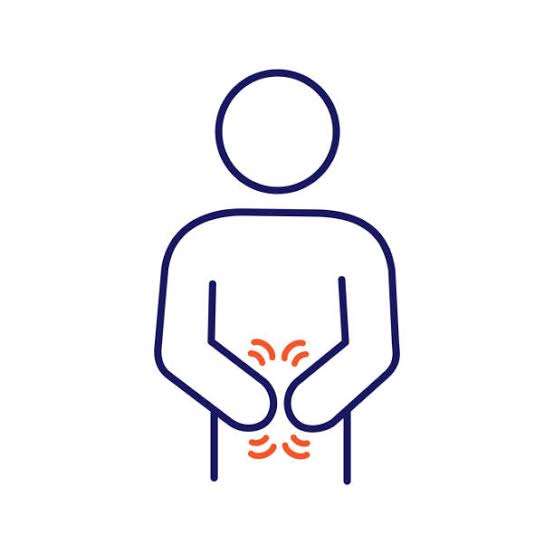
Gastroesophageal reflux disease (GERD) is a chronic digestive condition where stomach acid flows back into the esophagus. Understanding this condition can lead to effective relief strategies.
- Common symptoms include heartburn, regurgitation of acid food or sour liquid, chest pain, and difficulty swallowing.
- A healthcare provider evaluates GERD through physical examinations and may recommend diagnostic tests like an upper GI endoscopy if symptoms persist.
- Treatment often focuses on lifestyle modifications—such as avoiding trigger foods—and medications like antacids or proton pump inhibitors for managing symptoms effectively.
- Persistent cases may require ongoing management strategies from your healthcare professional but many find relief by adhering to prescribed treatments.
A comprehensive approach tailored by a physician can greatly enhance comfort and improve daily living conditions for individuals impacted by GERD.
DIABETES SCREENING

Diabetes screening is an essential process for early detection and management of diabetes mellitus. Early diagnosis can help prevent complications related to this chronic illness.
- This condition may present with symptoms such as increased thirst, frequent urination, fatigue, and blurred vision.
- Diagnosis is typically made through blood tests that measure glucose levels; these can be done during routine check-ups.
- If diagnosed with diabetes, management strategies include lifestyle interventions like diet modification and physical activity alongside medication if necessary.
- Follow-up appointments are vital for monitoring blood sugar levels and adjusting treatment as needed to maintain optimal health.
Regular screening helps ensure that any potential issues are identified early on, leading to a better quality of life for those at risk.
HYPERTENSION MANAGEMENT

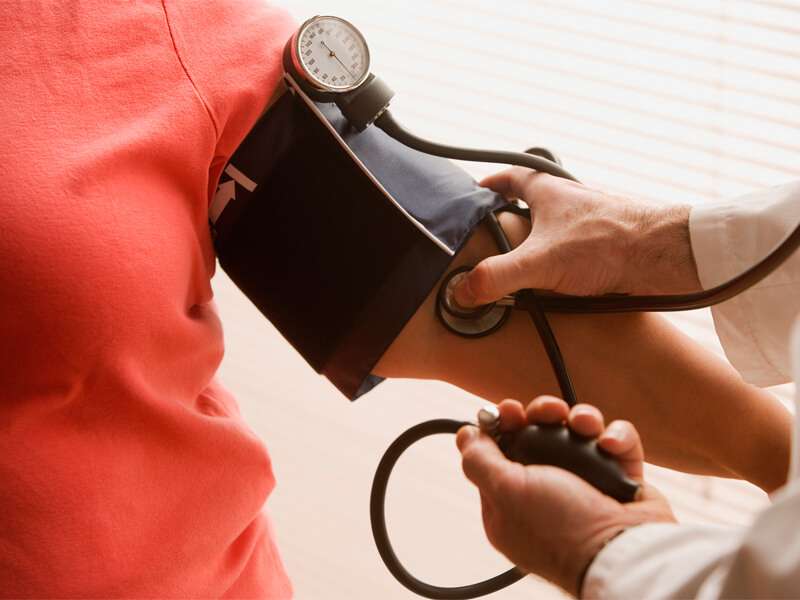
Hypertension, commonly known as high blood pressure, is a prevalent condition that often goes unnoticed. It can lead to serious health complications if left untreated.
- Symptoms of hypertension are often subtle or nonexistent; however, severe cases can cause headaches, shortness of breath, and nosebleeds.
- The condition is typically diagnosed through regular blood pressure check-ups, which measure the force of blood against artery walls.
- Treatment options include lifestyle modifications such as dietary changes and exercise, along with medications prescribed based on individual needs.
- Management involves regular monitoring and adjustments to medication or lifestyle recommendations to keep blood pressure within safe limits.
- Patients can expect follow-up visits to assess progress and make necessary changes to their treatment plan.
Effective management of hypertension can significantly reduce the risk of heart disease and stroke, making regular check-ups crucial.