
Dr Auri Shankar
About Me
Dr Auri Shankar
MBBS
General Physician
10 Years Experience
Biography
My Clinic
OPD Hours
| Monday | Morning | 10:00 AM | - | 02:00 PM |
| Evening | 06:00 PM | - | 09:00 PM | |
| Tuesday | Morning | 10:00 AM | - | 02:00 PM |
| Evening | 06:00 PM | - | 09:00 PM | |
| Wednesday | Morning | 10:00 AM | - | 02:00 PM |
| Evening | 06:00 PM | - | 09:00 PM | |
| Thursday | Morning | 10:00 AM | - | 02:00 PM |
| Evening | 06:00 PM | - | 09:00 PM | |
| Friday | Morning | 10:00 AM | - | 02:00 PM |
| Evening | 06:00 PM | - | 09:00 PM | |
| Saturday | Morning | 10:00 AM | - | 02:00 PM |
| Evening | 06:00 PM | - | 09:00 PM | |
| Sunday | Morning | 10:00 AM | - | 02:00 PM |
| Evening | 06:00 PM | - | 09:00 PM |
Treatments
Specialised care and treatments offered
THYROID FUNCTION ASSESSMENT
The thyroid gland regulates metabolism through hormone secretion. Evaluating its function is important when symptoms suggest imbalance either as hypothyroidism or hyperthyroidism.
- Common signs & causes: Fatigue weight changes temperature sensitivity point towards potential thyroid disorders often due autoimmune causes.
- Testing methods: Blood tests for TSH T3 T4 hormones guide diagnosis supplemented by ultrasound imaging if nodules detected.
- Management options: Hormone replacement therapy corrects hypothyroidism while antithyroid drugs manage hyperthyroidism; follow-up testing necessary.
- Patient guidance: Lifelong treatment frequently needed but regular monitoring ensures safe hormone balance & symptom relief.
Understanding thyroid health enables prompt intervention limiting impacts on overall wellness.
CHRONIC OBSTRUCTIVE PULMONARY DISEASE (COPD) MANAGEMENT

COPD is a progressive lung disease that obstructs airflow causing breathing difficulties. Early detection allows better symptom control through manageable interventions.
- Description & risk factors:Sustained cough with sputum production and shortness of breath common; smoking being the major risk factor along with pollution exposure.
- The diagnostic process includes:Pulmonary function tests measuring lung capacity as well as chest X-rays supporting diagnosis alongside clinical exam findings.
- Treatment approaches: Use of bronchodilators/inhaled steroids reduces airway inflammation while pulmonary rehabilitation improves exercise tolerance.
- What patients expect: Chronic condition requiring ongoing adjustments but greatly improved symptoms achievable with adherence.
Timely management slows progression offering higher quality of life despite COPD's chronic nature.
ANEMIA EVALUATION AND TREATMENT

Anemia results from reduced red blood cells or hemoglobin impacting oxygen delivery throughout the body. Identifying its cause is crucial for targeted treatment.
- Signs and causes: Fatigue, pallor, shortness of breath; causes include nutritional deficiencies (iron), chronic disease, or blood loss.
- Diagnostic process: Blood tests like complete blood count (CBC) assess red cell indices and help classify anemia types.
- Therapeutic measures: Supplementation (iron/folate), addressing underlying conditions; severe cases may need transfusions.
- Treatment outcomes: Improvement depends on adherence to therapy and resolving contributing factors promptly.
An accurate diagnosis ensures effective restoration of healthy blood parameters improving patient well-being significantly.
UPPER RESPIRATORY TRACT INFECTION CARE
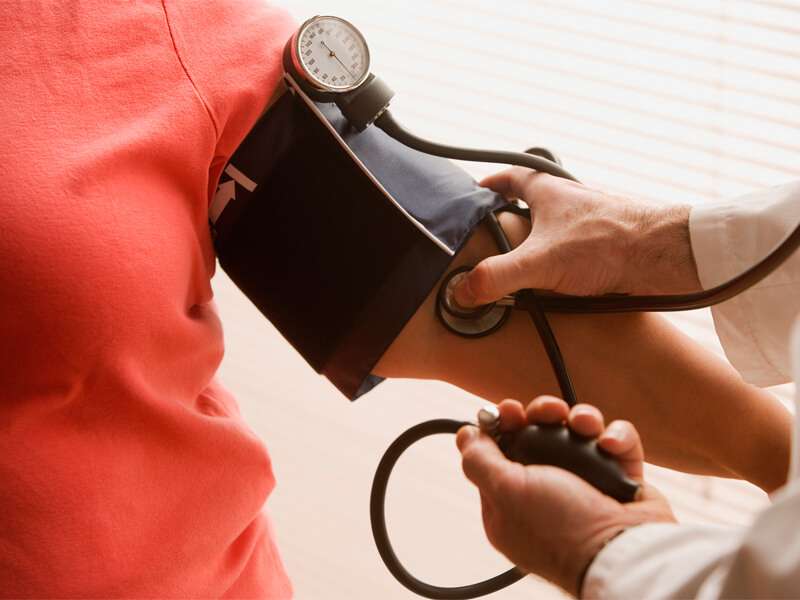
Upper respiratory infections are among the most frequent ailments affecting the nose, throat, and airways. Most cases resolve with proper care at home but recognizing symptoms is key.
- Main symptoms: Coughing, sore throat, nasal congestion, sometimes accompanied by low-grade fever.
- Diagnosis approach: Typically clinical based on history and examination; further tests only if complicated or prolonged illness.
- Treatment options: Symptomatic relief using fluids, rest, analgesics; antibiotics rarely required unless bacterial infection confirmed.
- Cautionary advice: Watch for worsening symptoms such as high fever or difficulty breathing which require medical attention.
A careful balance of rest and symptom management usually leads to full recovery within days to weeks.
TYPE 2 DIABETES MONITORING
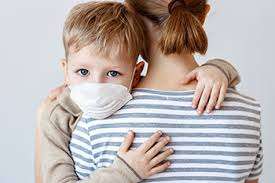
Type 2 diabetes occurs when the body becomes resistant to insulin or doesn't produce enough, leading to elevated blood sugar levels. Effective monitoring can prevent complications.
- Symptoms and causes: Increased thirst, frequent urination, fatigue; influenced by weight, inactivity, and genetics.
- Diagnosis methods: Blood glucose tests including fasting glucose and HbA1c provide key information about glucose control.
- Treatment strategies: Diet modification, regular physical activity, oral hypoglycemic agents, or insulin as needed.
- Monitoring routine: Periodic blood sugar checks help tailor therapy and reduce risks like neuropathy or vision problems.
A proactive approach in tracking blood sugar levels enhances quality of life for those with diabetes.
HYPERTENSION MANAGEMENT

High blood pressure, or hypertension, is a common condition that can lead to serious health issues if left untreated. Managing it effectively helps reduce the risk of heart disease and stroke.
- Causes and symptoms: Often symptomless initially, but may cause headaches or dizziness; linked to genetics, diet, stress, and lifestyle.
- Diagnosis: Multiple blood pressure readings over time using calibrated devices during clinic visits.
- Treatment options: Lifestyle changes such as diet and exercise, along with prescribed medications like ACE inhibitors or beta blockers for blood pressure control.
- Management expectations: Regular monitoring is essential; treatment aims to maintain target blood pressure and prevent complications.
With proper management, hypertension can be controlled effectively to support long-term cardiovascular health.