
DR ASHUTOSH KUMAR
About Me
DR ASHUTOSH KUMAR
MBBS
General Physician
10 Years Experience
Biography
My Clinic
OPD Hours
| Monday | Morning | 10:00 AM | - | 02:00 PM |
| Evening | 06:00 PM | - | 09:00 PM | |
| Tuesday | Morning | 10:00 AM | - | 02:00 PM |
| Evening | 06:00 PM | - | 09:00 PM | |
| Wednesday | Morning | 10:00 AM | - | 02:00 PM |
| Evening | 06:00 PM | - | 09:00 PM | |
| Thursday | Morning | 10:00 AM | - | 02:00 PM |
| Evening | 06:00 PM | - | 09:00 PM | |
| Friday | Morning | 10:00 AM | - | 02:00 PM |
| Evening | 06:00 PM | - | 09:00 PM | |
| Saturday | Morning | 10:00 AM | - | 02:00 PM |
| Evening | 06:00 PM | - | 09:00 PM | |
| Sunday | Morning | 10:00 AM | - | 02:00 PM |
| Evening | 06:00 PM | - | 09:00 PM |
Treatments
Specialised care and treatments offered
ACUTE URINARY TRACT INFECTION (UTI) TREATMENT
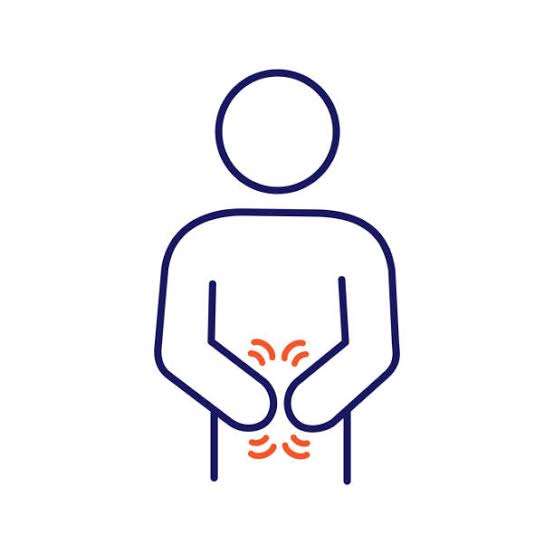
A urinary tract infection involves microbial invasion of any part of the urinary system causing inflammation. Prompt treatment prevents progression to serious kidney infections or sepsis.
ANEMIA EVALUATION AND MANAGEMENT

Anemia refers to a deficiency of red blood cells or hemoglobin leading to decreased oxygen delivery throughout the body. Proper evaluation identifies underlying causes enabling targeted treatment plans.
- Broad Causes & Warning Signs:Mild fatigue and pallor progressing potentially toward dizziness or shortness of breath indicate anemia; nutritional deficiencies (iron, B12), chronic disease or blood loss are common etiologies.
GASTROESOPHAGEAL REFLUX DISEASE (GERD) THERAPY

This digestive disorder occurs when stomach acid frequently flows back into the esophagus causing irritation. Effective treatment aims at relieving symptoms and preventing complications like esophagitis.
- Syndrome Features & Causes: Heartburn, regurgitation after meals are hallmark symptoms; contributing causes include obesity, hiatal hernia, certain foods or medications affecting the lower esophageal sphincter tone.
- Evidential Diagnosis: Endoscopy evaluates esophageal lining damage; pH monitoring quantifies acid exposure severity when needed.
- Therapeutic Strategies: Lifestyle adjustments such as weight loss and meal timing coupled with proton pump inhibitors reduce acid production effectively; in resistant cases surgical options might be explored.
- Treatment Outcomes:The prognosis with adherence to therapy tends toward symptom resolution though maintenance therapy may be required long term for some individuals.
A personalized approach ensures relief from discomfort while safeguarding the esophageal mucosa against further injury caused by acid reflux events.
CHRONIC OBSTRUCTIVE PULMONARY DISEASE (COPD) TREATMENT
COPD is a progressive lung condition that makes breathing difficult due to airflow obstruction. It commonly affects smokers or those exposed to lung irritants over time.
- Causes & Symptoms: Primary cause is tobacco smoke exposure; symptoms include chronic cough with sputum production and shortness of breath during exertion.
- Diagnosis: Spirometry testing assesses lung function; chest X-rays can reveal structural changes in lungs supporting diagnosis.
- Treatment Approaches: Includes smoking cessation support, bronchodilator inhalers, corticosteroids for inflammation control, and oxygen therapy in advanced cases.
- Management Expectations: Pulmonary rehabilitation programs improve exercise capacity; flare-ups require prompt medical intervention to reduce hospitalization risks.
Lifelong management focusing on symptom control can significantly enhance respiratory function and overall well-being despite COPD’s progressive nature.
TYPE 2 DIABETES MONITORING AND CARE

Type 2 diabetes is a metabolic disorder characterized by high blood sugar levels due to insulin resistance or deficiency. Early detection and continuous care help prevent complications.
- Symptoms & Causes: Common signs include increased thirst, frequent urination, fatigue; causes involve genetic predisposition combined with lifestyle factors.
- Diagnostic Tests: Fasting blood glucose tests, HbA1c levels, and oral glucose tolerance tests are standard methods for diagnosis and ongoing assessment.
- Treatment & Management: Emphasis is placed on dietary modifications, regular physical activity, weight management, oral hypoglycemic agents, or insulin if necessary.
- Long-Term Monitoring: To avoid complications like neuropathy or kidney damage, routine checkups for eye exams, kidney function tests, and foot care are vital.
A structured treatment plan tailored to each patient’s lifestyle enhances quality of life while minimizing risks associated with diabetes.
HYPERTENSION MANAGEMENT
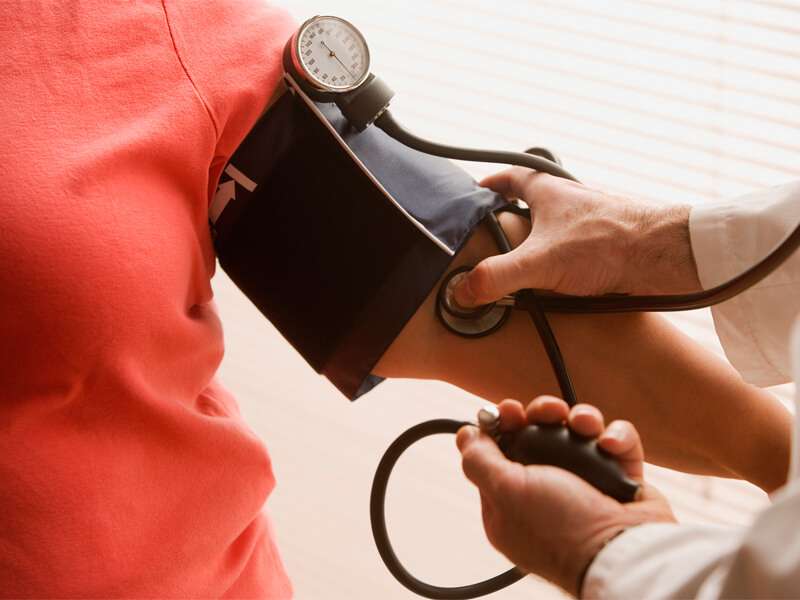
High blood pressure is a common chronic condition that requires ongoing attention to prevent serious cardiovascular issues. Understanding the intricacies of hypertension can empower patients to maintain healthier lives.
- Symptoms and Causes: Often called the 'silent killer', hypertension usually has no obvious symptoms but can be triggered by factors such as genetics, diet high in salt, stress, and lack of physical activity.
- Diagnosis: Blood pressure readings using a sphygmomanometer taken over several visits confirm diagnosis; sometimes ambulatory blood pressure monitoring is employed for accuracy.
- Treatment Options: Lifestyle changes like diet and exercise are crucial; medications such as ACE inhibitors, beta-blockers, or diuretics may be prescribed depending on individual needs.
- Management: Regular monitoring and adherence to therapy are essential to keep blood pressure within target ranges and reduce risk of heart attack or stroke.
With proper control measures and follow-up, hypertension can be effectively managed, greatly improving long-term health outcomes.