
Dr Ashutosh Jain
About Me
Dr Ashutosh Jain
MD
Cardiologist
10 Years Experience
Biography
My Clinic
OPD Hours
| Monday | Morning | 10:00 AM | - | 02:00 PM |
| Evening | 06:00 PM | - | 09:00 PM | |
| Tuesday | Morning | 10:00 AM | - | 02:00 PM |
| Evening | 06:00 PM | - | 09:00 PM | |
| Wednesday | Morning | 10:00 AM | - | 02:00 PM |
| Evening | 06:00 PM | - | 09:00 PM | |
| Thursday | Morning | 10:00 AM | - | 02:00 PM |
| Evening | 06:00 PM | - | 09:00 PM | |
| Friday | Morning | 10:00 AM | - | 02:00 PM |
| Evening | 06:00 PM | - | 09:00 PM | |
| Saturday | Morning | 10:00 AM | - | 02:00 PM |
| Evening | 06:00 PM | - | 09:00 PM | |
| Sunday | Morning | 10:00 AM | - | 02:00 PM |
| Evening | 06:00 PM | - | 09:00 PM |
Treatments
Specialised care and treatments offered
PERIPHERAL ARTERY DISEASE

PAD occurs when arteries supplying blood to limbs become narrowed or blocked leading primarily affecting leg circulation. Acknowledgment of symptoms early allows improved patient outcomes!
- The hallmark symptom often includes leg pain while walking which improves with rest — termed intermittent claudication!
- Doppler ultrasound examinations help assess blood flow dynamics aiding timely diagnosis;
- Treatment approaches involve both lifestyle modifications focusing on smoking cessation & managing diabetes plus use of appropriate medications accelerating circulation improvements especially during initial stages!
Regular assessments pose excellent preventive measures enhancing limb viability over years!
CHOLESTEROL MANAGEMENT
High cholesterol is a significant risk factor for heart disease. It is important to manage cholesterol levels effectively through informed dietary choices and medical intervention when needed.
- The primary culprits contributing to high cholesterol levels include poor diet choices rich in saturated fats and trans fats alongside lack of physical activity as major contributing factors!
- A healthcare professional typically diagnoses high cholesterol through lipid panel testing that checks total cholesterol levels among others;
- Coping strategies range from dietary changes emphasizing fruits/vegetables & physical activity alongside statin medications when necessary!
Your engagement in monitoring your cholesterol levels regularly helps ensure you stay on track towards maintaining a healthy heart!
ARRHYTHMIA MANAGEMENT
An arrhythmia refers to an irregular heartbeat which can either beat too fast (tachycardia), too slow (bradycardia), or erratically. Understanding this condition is key to preventive health measures!
- Select patients might experience sudden symptoms, including palpitations, dizziness, or even fainting spells depending on its type!
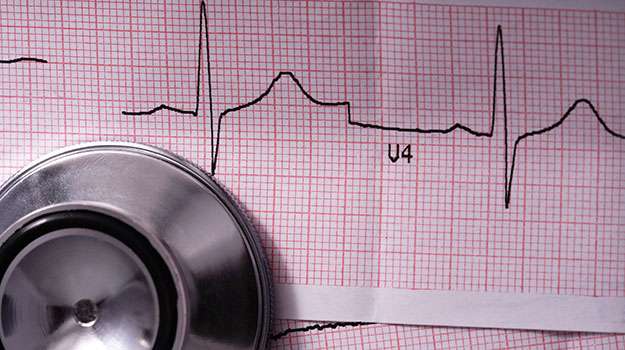
- Diverse diagnostic methods are employed such as EKGs or Holter monitors capturing heart activity over 24 hours or longer periods for accurate assessment!
- Treatment plans include medications that regulate heartbeat patterns or procedures like ablation which targets problematic electrical pathways in the heart!
A proactive approach towards arrhythmias can greatly enhance quality of life by minimizing associated risks.
HEART FAILURE MANAGEMENT
Heart failure describes a condition where the heart cannot pump sufficient blood to meet the body’s needs. This often leads to symptoms that significantly affect daily life activities.
- The primary symptoms include extreme fatigue, swelling in the legs and ankles, and difficulty breathing during exertion or lying flat.
- A healthcare provider may diagnose this condition through clinical evaluation combined with echocardiograms or other imaging techniques that assess heart function;
- Treatment varies based on severity but may involve medications, lifestyle adjustments like low-sodium diets, or devices such as pacemakers for better heart rhythm control!
- You can expect personalized monitoring strategies that are designed in collaboration with medical professionals for optimal improvement over time.
Pursuing early intervention can greatly improve outcomes for those living with heart failure.
CORONARY ARTERY DISEASE
Coronary artery disease (CAD) occurs when the coronary arteries become narrowed or blocked due to plaque buildup. This condition can restrict blood flow to the heart muscle, leading to serious repercussions.
- The most common symptoms include chest pain (angina), fatigue, and shortness of breath during physical activities.
- This disease is often diagnosed through tests such as stress tests, angiograms, or CT scans that visualize the arteries!
- Treatment usually involves lifestyle changes like quitting smoking and eating a heart-healthy diet along with medications; in some cases, procedures such as angioplasty or bypass surgery may be necessary.
- Patients can expect ongoing care and lifestyle counseling to manage their condition effectively over the long term.
A comprehensive approach can help mitigate risks associated with CAD and promote overall cardiovascular health.
HYPERTENSION MANAGEMENT
Managing hypertension, commonly known as high blood pressure, is crucial for preventing serious health issues. This condition can lead to heart disease, stroke, and kidney failure if left untreated.
- Symptoms may include headaches, shortness of breath, and nosebleeds, although many individuals experience no symptoms at all.
- Diagnosis typically involves a series of blood pressure readings over time to identify consistent high levels.
- Treatment options range from lifestyle modifications like diet and exercise to medication for more severe cases.
- Monitoring your blood pressure regularly is essential to see how effective your treatment is over time.
- Expect regular follow-ups to assess your condition and make adjustments in management if needed.
Effective management of hypertension can significantly reduce the risk of severe complications and improve quality of life.