
Dr Ashutosh Bajpai Hospital
About Me
Dr Ashutosh Bajpai Hospital
MS
General Surgeons
10 Years Experience
Biography
My Clinic
OPD Hours
| Monday | Morning | 10:00 AM | - | 02:00 PM |
| Evening | 06:00 PM | - | 09:00 PM | |
| Tuesday | Morning | 10:00 AM | - | 02:00 PM |
| Evening | 06:00 PM | - | 09:00 PM | |
| Wednesday | Morning | 10:00 AM | - | 02:00 PM |
| Evening | 06:00 PM | - | 09:00 PM | |
| Thursday | Morning | 10:00 AM | - | 02:00 PM |
| Evening | 06:00 PM | - | 09:00 PM | |
| Friday | Morning | 10:00 AM | - | 02:00 PM |
| Evening | 06:00 PM | - | 09:00 PM | |
| Saturday | Morning | 10:00 AM | - | 02:00 PM |
| Evening | 06:00 PM | - | 09:00 PM | |
| Sunday | Morning | 10:00 AM | - | 02:00 PM |
| Evening | 06:00 PM | - | 09:00 PM |
Treatments
Specialised care and treatments offered
GASTROESOPHAGEAL REFLUX DISEASE (GERD) MANAGEMENT
An increasingly prevalent condition known as gastroesophageal reflux disease (GERD) occurs when stomach acid frequently flows back into the esophagus leading sensations of heartburn among others over time resulting potentially detrimental effects on quality life overall mannerisms associated being eating routines etc..
- Symptoms :This variety presents differently varies level frequency intensity feelings experienced primarily manifested via retrosternal burning sensations sometimes radiating throat possible side effects experiencing between engorgements too dense spreads momentarily thereafter.
- Causes:Identifying triggers favourite habits highly encourage tracking daily food behaviors find correlations producing exacerbated scenarios may subsequently allow avoidance altogether.(i.e., coffee/caffeine,max spicy/acidic dishes ,large meals close bedtime!). < / u l >
'. Despite possible infrequent episodic occurrences chronic processes affect daily enjoyment work-life thus working together addressing research conducting consultations specific varieties practical barriers eventual improvements!.!.!'.
BOWEL OBSTRUCTION MANAGEMENT

A bowel obstruction can occur when there is a blockage preventing food from passing through the intestines effectively. This condition can lead to significant discomfort and requires timely evaluation.
- Causes:The obstruction may stem from various sources including adhesions from previous surgeries , tumors , or inflammatory bowel diseases .
- Symptoms : Patients typically experience crampy abdominal pain , bloating , vomiting , constipation , or inability pass gas .
- Diagnosis : A thorough examination accompanied by imaging techniques such as X-rays or CT scans assists healthcare providers confirming suspected obstructions .
- Treatment Options : Depending severity level , conservative treatments involving diet changes & stool softeners might suffice while surgical methods would resolve critical obstructions swiftly .
- Expectations : Provide effective follow-up guidelines once treated ; anticipate gradual recovery progression following intervention irrespective whether surgical approaches were utilized.! .
Pursuing knowledge about bowel obstructions enhances understanding towards preventive measures ensuring overall well-being!
DIVERTICULITIS LIFESTYLE CHANGES
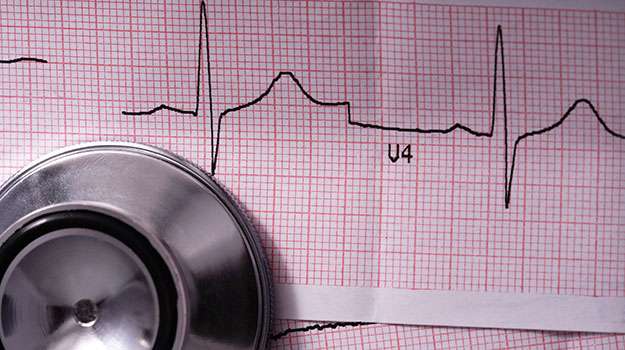
Diverticulitis occurs when diverticula (small pouches) in the colon become inflamed. This common digestive condition can cause significant discomfort but is manageable with appropriate interventions.
- Symptoms: Symptoms often include abdominal pain (typically lower left), changes in bowel habits (constipation or diarrhea), fever, and nausea.
- Diagnosis: Diagnosis usually involves a review of medical history followed by imaging studies like CT scans that provide insight into inflammation severity.
- Lifestyle Adjustments: Dietary changes emphasizing high-fiber foods along with adequate hydration can help manage symptoms effectively while preventing further complications. Avoiding certain trigger foods may also be advisable based on individual responses.'
APPENDICITIS MANAGEMENT
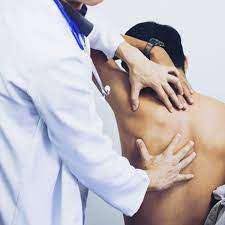
Appendicitis is an inflammation of the appendix that often requires urgent medical attention due to its potential to become life-threatening if not addressed quickly.
- Symptoms: Typically includes sharp pain around the navel that moves to the lower right abdomen, fever, nausea, and loss of appetite.
- Diagnosis: A thorough physical exam complemented by imaging tests like ultrasound or CT scan helps confirm appendicitis diagnosis quickly.
- Treatment Options: While surgery is commonly performed (appendectomy), initial non-surgical management through antibiotics might be feasible in specific cases depending on severity.
- Recovery Expectations: Post-surgery recovery generally allows patients to resume daily activities within a few weeks; however, follow-up care remains essential for long-term health monitoring.
If you experience symptoms indicative of appendicitis, seek medical assistance promptly to ensure proper care and lessen risks associated with this condition.
GALLBLADDER DISEASE MANAGEMENT
The gallbladder stores bile produced by the liver, which aids in digestion. Conditions affecting the gallbladder can result in significant abdominal pain and digestive issues.
- Causes: Gallstones are a primary cause of gallbladder problems and can block bile flow. Other factors include obesity, high-fat diets, and certain medical conditions.
- Symptoms: Typical symptoms involve sudden pain in the upper right abdomen, nausea, vomiting, and bloating after meals.
- Diagnosis: An ultrasound is often used to visualize gallstones and assess gallbladder function during diagnosis.
- Treatment Options: Non-surgical management might include dietary modifications aimed at reducing fat intake. In more severe cases, surgical options such as cholecystectomy are considered.
- What to Expect: Post-diagnosis management focuses on preventing future episodes with lifestyle adjustments while monitoring for potential complications.
If you suspect gallbladder disease, it’s crucial to consult with your doctor promptly for appropriate evaluation and treatment planning.
HERNIA REPAIR
A hernia occurs when an internal organ or tissue bulges through a weak area in the abdominal wall. This condition can lead to discomfort and potentially serious complications if left untreated.
- Symptoms: Common symptoms include a noticeable bulge, pain or discomfort in the affected area, especially when bending, coughing, or lifting.
- Diagnosis: Diagnosis typically involves a physical examination and may require imaging tests such as an ultrasound or CT scan to assess the hernia's size and impact.
- Treatment Options: If surgery is not immediately required, lifestyle changes such as avoiding heavy lifting and managing weight may be recommended. Surgical options are available for more severe cases.
- Management: Post-operative care may include rest, pain management, and gradually resuming activities as advised by your healthcare provider.
- Expectations: Recovery times vary but many individuals return to normal activities within a few weeks following surgery.
Understanding your hernia diagnosis is crucial for effective management and recovery. Always consult with a healthcare professional for personalized advice.