
Dr Ashutosh Bajpai
About Me
Dr Ashutosh Bajpai
MS
Cardiothorocic Surgeon
10 Years Experience
Biography
My Clinic
OPD Hours
| Monday | Morning | 10:00 AM | - | 02:00 PM |
| Evening | 06:00 PM | - | 09:00 PM | |
| Tuesday | Morning | 10:00 AM | - | 02:00 PM |
| Evening | 06:00 PM | - | 09:00 PM | |
| Wednesday | Morning | 10:00 AM | - | 02:00 PM |
| Evening | 06:00 PM | - | 09:00 PM | |
| Thursday | Morning | 10:00 AM | - | 02:00 PM |
| Evening | 06:00 PM | - | 09:00 PM | |
| Friday | Morning | 10:00 AM | - | 02:00 PM |
| Evening | 06:00 PM | - | 09:00 PM | |
| Saturday | Morning | 10:00 AM | - | 02:00 PM |
| Evening | 06:00 PM | - | 09:00 PM | |
| Sunday | Morning | 10:00 AM | - | 02:00 PM |
| Evening | 06:00 PM | - | 09:00 PM |
Treatments
Specialised care and treatments offered
HEART TRANSPLANTATION
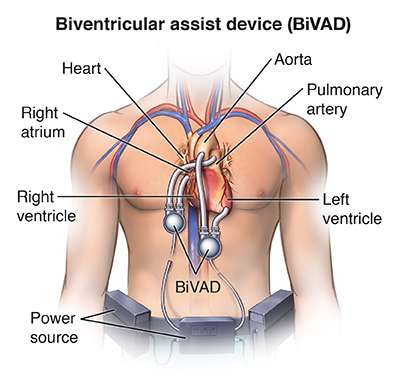
A heart transplant is a lifesaving procedure for patients with terminal heart disease who have exhausted all other treatment options. The procedure involves replacing a diseased heart with a healthy donor organ. The need for transplantation may arise due to various conditions such as cardiomyopathy or severe coronary artery disease.
@- @
- Symptoms : Indications often include extreme fatigue ,shortness of breathe even at rest ,and repetitive hospitalizations due insufficiency .
- Evaluation Process: Comprehensive assessments via echocardiograms + other diagnostic tools determine suitability prior listing patients on transplant registries .
- Post-operative Management : After transplantation ,ongoing immunosuppressive therapy becomes essential along side regular physician checkups ensuring optimal functioning remains prioritized .
The success rates vary but advancements continue paving pathways toward enhancing patient survivorship rates post-transplantation whilst supporting reintegration into daily living activities once again!
THORACIC OUTLET SYNDROME TREATMENT
This syndrome occurs when blood vessels or nerves in the space between your collarbone and first rib are compressed. Thoracic Outlet Syndrome can result from various anatomical anomalies or trauma affecting shoulder posture.
@- @
LUNG CANCER SURGERY
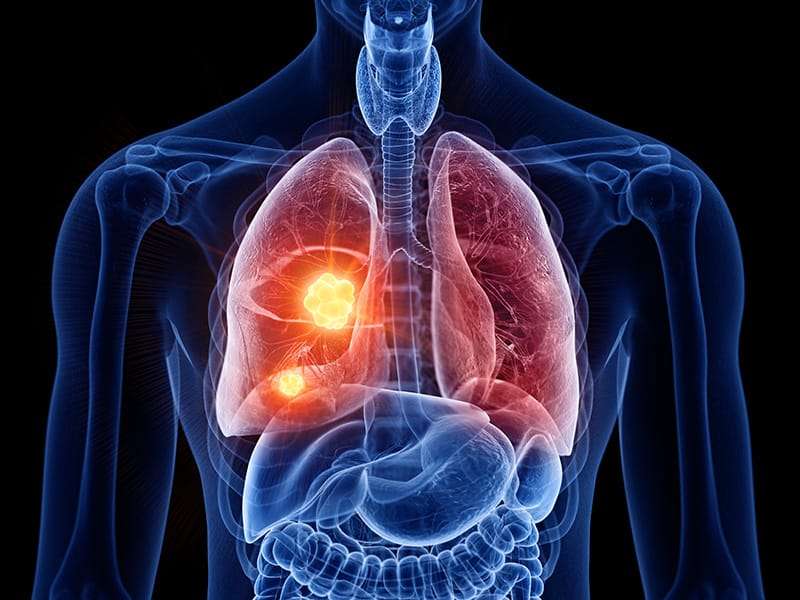
Lung cancer surgery aims to remove cancerous tissues from the lungs. It is generally recommended when tumors are localized without spread beyond the lungs. Early intervention significantly enhances treatment outcomes.
- Main Symptoms: Symptoms may include chronic cough, weight loss without trying, chest pain, and coughing up blood—each warranting immediate medical attention.
- Surgical Evaluation: Diagnostic procedures including imaging tests such as CT scans enable physicians to assess tumor size and location before planning surgical intervention.
- Surgical Techniques:The types of surgeries range from lobectomy (removal of lobe) to pneumonectomy (entire lung removal), based on tumor extent. Video-assisted thoracoscopic surgery (VATS) offers minimally invasive options where suitable.
AORTIC ANEURYSM REPAIR
An aortic aneurysm is a bulge in the wall of the aorta that can lead to catastrophic rupture if not treated. The growth of an aneurysm can be influenced by factors such as high blood pressure and cholesterol levels.
- Signs & Symptoms: Many aneurysms remain asymptomatic until they become large; however, some patients may experience back pain or pulsating sensations in their abdomen.
- Diagnostic Methods: Imaging studies like CT scans or ultrasounds play a crucial role in identifying and monitoring aneurysms over time.
- Surgical Approaches: Depending on size and location, treatment options include open surgery or endovascular techniques that allow for less invasive repairs using stent grafts.
- Your Recovery Process: After surgery, it’s essential to follow your healthcare provider’s advice on lifestyle modifications and regular follow-up exams to ensure successful healing.
Persistent management plays a vital role in reducing risks associated with this serious cardiovascular condition.
VALVULAR HEART DISEASE REPAIR
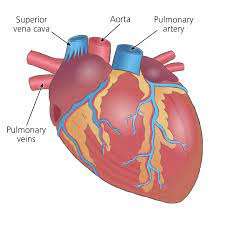
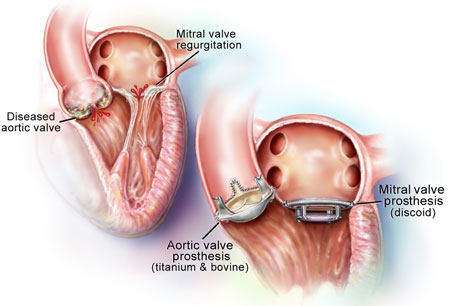
Valvular heart disease involves damage or dysfunction of one or more of the heart's valves, which can undermine overall cardiac efficiency. This condition can result from congenital defects or acquired issues like rheumatic fever.
- Symptoms: Patients may experience fatigue, palpitations, swelling in the legs or abdomen, and shortness of breath during physical activity.
- Diagnostic Tools: Evaluation typically includes echocardiograms, MRI scans, or catheterization to assess valve function and structural integrity.
- Treatment Strategies: Treatments range from monitoring mild cases to surgical interventions such as valve repair or replacement for more advanced diseases. Minimally invasive techniques are available for suitable candidates.
- Post-Procedure Care: Patients will require follow-up visits to monitor their recovery and ensure proper healing of the heart valves.
The goal is not only to alleviate symptoms but also to prevent further complications arising from chronic valve issues.
CORONARY ARTERY BYPASS GRAFTING (CABG)
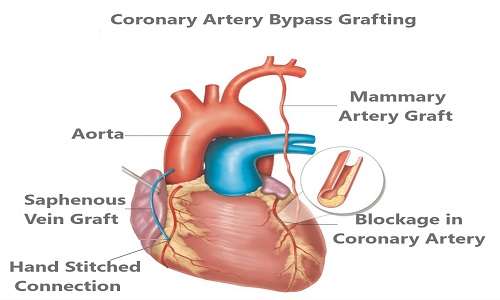
Coronary Artery Bypass Grafting (CABG) is a surgical procedure performed to restore normal blood flow to an obstructed coronary artery. This condition often arises from atherosclerosis, where plaque builds up in the arteries, leading to decreased oxygen supply to the heart muscle.
- Symptoms: Common symptoms include chest pain, shortness of breath, and fatigue. Some patients may experience heart attacks due to severe blockages.
- Diagnosis: Diagnostic methods include angiography, stress testing, and echocardiograms that help determine the severity of arterial blockage.
- Treatment Options: While lifestyle changes and medication might be recommended, CABG surgery is often necessary for severe cases to bypass blocked arteries using grafts from other vessels.
- What to Expect: Post-surgery, patients generally observe significant improvement in symptoms, but recovery involves follow-up care and rehabilitation for full recovery.
This surgery can greatly enhance quality of life by improving heart function and reducing risks associated with coronary artery disease.