
Dr Ashraf Ali Pat
About Me
Dr Ashraf Ali Pat
MBBS
General Physician
Biography
My Clinic
OPD Hours
| Monday | Morning | 10:00 AM | - | 02:00 PM |
| Evening | 06:00 PM | - | 09:00 PM | |
| Tuesday | Morning | 10:00 AM | - | 02:00 PM |
| Evening | 06:00 PM | - | 09:00 PM | |
| Wednesday | Morning | 10:00 AM | - | 02:00 PM |
| Evening | 06:00 PM | - | 09:00 PM | |
| Thursday | Morning | 10:00 AM | - | 02:00 PM |
| Evening | 06:00 PM | - | 09:00 PM | |
| Friday | Morning | 10:00 AM | - | 02:00 PM |
| Evening | 06:00 PM | - | 09:00 PM | |
| Saturday | Morning | 10:00 AM | - | 02:00 PM |
| Evening | 06:00 PM | - | 09:00 PM | |
| Sunday | Morning | 10:00 AM | - | 02:00 PM |
| Evening | 06:00 PM | - | 09:00 PM |
Treatments
Specialised care and treatments offered
WEIGHT MANAGEMENT COUNSELING
Mantaining a healthy weight is essential for overall well-being. Weight management counseling focuses on sustainable lifestyle changes rather than quick fixes that often fail.
- Importance : Carrying excess weight raises risks linked with chronic conditions such as diabetes , heart disease , etc .
- Assessment : Healthcare professionals evaluate dietary habits , activity levels , psychological factors contributing toward weight gain/loss during consultations .
- Tailored Plans : Based upon assessments , personalized meal & exercise programs are crafted aimed at realistic achievable goals .
Aiming jointly between patient & provider creates supportive partnerships leading toward empowered healthier choices over time !
ROUTINE PHYSICAL EXAMINATIONS

An essential component of preventive care is having routine physical examinations. These assessments facilitate early detection of health issues before they escalate into more serious conditions.
- Purpose: Annual check-ups help monitor vital signs including weight and blood pressure while reviewing family history for any emerging risks.
- Diagnosis: Physicians use these visits for examinations that may include physical evaluations alongside lab tests when needed.
- Treatment Plans: Based on results from evaluations , your doctor may outline individualized plans designed specifically for maintaining or enhancing wellness .
- Preventive Measures: Routine visits also allow opportunities for administering necessary vaccinations , screening tests , etc .
Prioritizing annual wellness checks fosters long-term healthy living habits by addressing potential problems early on .
VACCINATION PROGRAMS

The importance of vaccinations cannot be overstated in preventing various infectious diseases. Staying updated with vaccines promotes public health safety.
- Pediatric Vaccines: Recommended immunizations help protect children from diseases such as measles and whooping cough during their formative years.
- Adult Vaccines: Adults also benefit from periodic vaccines like flu shots and Tdap boosters that safeguard against preventable illnesses throughout life stages.
Regular consultations with healthcare providers ensure vaccinations meet personal health needs appropriately.
CHOLESTEROL MANAGEMENT
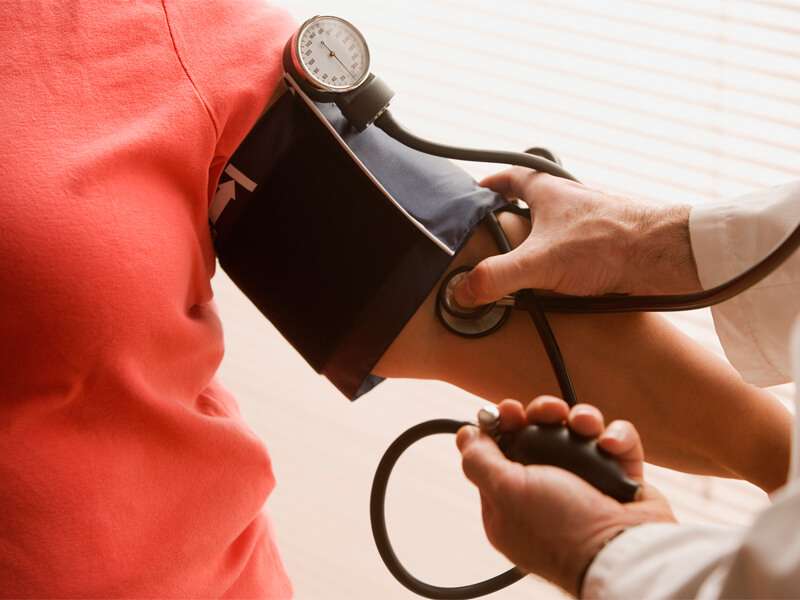
Lipid abnormalities can significantly increase cardiovascular disease risk. Monitoring cholesterol levels plays a vital part in maintaining heart health.
- Symptoms: High cholesterol itself typically does not present symptoms, making regular testing important for awareness of your lipid levels.
- Main Causes: Poor diet high in saturated fats, lack of exercise, smoking, and genetic factors contribute to elevated cholesterol levels.
- Disease Risk Identification: Physicians recommend a lipid panel test to evaluate cholesterol levels and assess heart disease risk effectively.
- Treatment Strategies: Lifestyle modifications include adopting a heart-healthy diet rich in fruits and vegetables along with possible medication options like statins based on individual needs.
Your commitment to managing cholesterol can lead to improved overall cardiovascular health. Consult your physician about routine screenings tailored to your lifestyle.
DIABETES SCREENING

Regular screening for diabetes is crucial in identifying the condition before complications arise. Early diagnosis allows for effective management and lifestyle modifications.
- Symptoms: Diabetes can lead to frequent urination, increased thirst, fatigue, and blurred vision.
- Risk Factors: Obesity, family history of diabetes, and inactivity are significant risk factors to consider during screening.
- Diagnosis: Blood tests measure glucose levels; fasting glucose tests or A1C tests are common methods used by healthcare providers.
- Treatment Options: Depending on the results, management may involve lifestyle changes such as diet and exercise or medication if necessary.
- Your Health Journey: Engaging in routine screenings helps track your health progress and addresses potential concerns early on.
A proactive approach towards diabetes screening can greatly enhance your overall health outcomes.
HYPERTENSION

High blood pressure, or hypertension, is a common condition that affects many adults. It can lead to serious complications if not managed properly.
- Symptoms: Often called the 'silent killer,' hypertension may not present noticeable symptoms initially. Some individuals might experience headaches, shortness of breath, or nosebleeds.
- Causes: Factors contributing to hypertension include obesity, a high-salt diet, lack of physical activity, and excessive alcohol consumption.
- Diagnosis: A healthcare provider usually diagnoses hypertension through regular blood pressure readings and may use additional tests to assess potential heart disease.
- Treatment: Management often includes lifestyle changes such as dietary adjustments and exercise, along with medications like diuretics or ACE inhibitors when necessary.
- What to Expect: Regular monitoring and adherence to prescribed treatments can help manage blood pressure effectively and reduce the risk of complications.
If you suspect you have high blood pressure or have been diagnosed with it, regular check-ups are essential for optimal health management.